
-


Follow Us

 On Facebook
 On Flipboard
 On Twitter
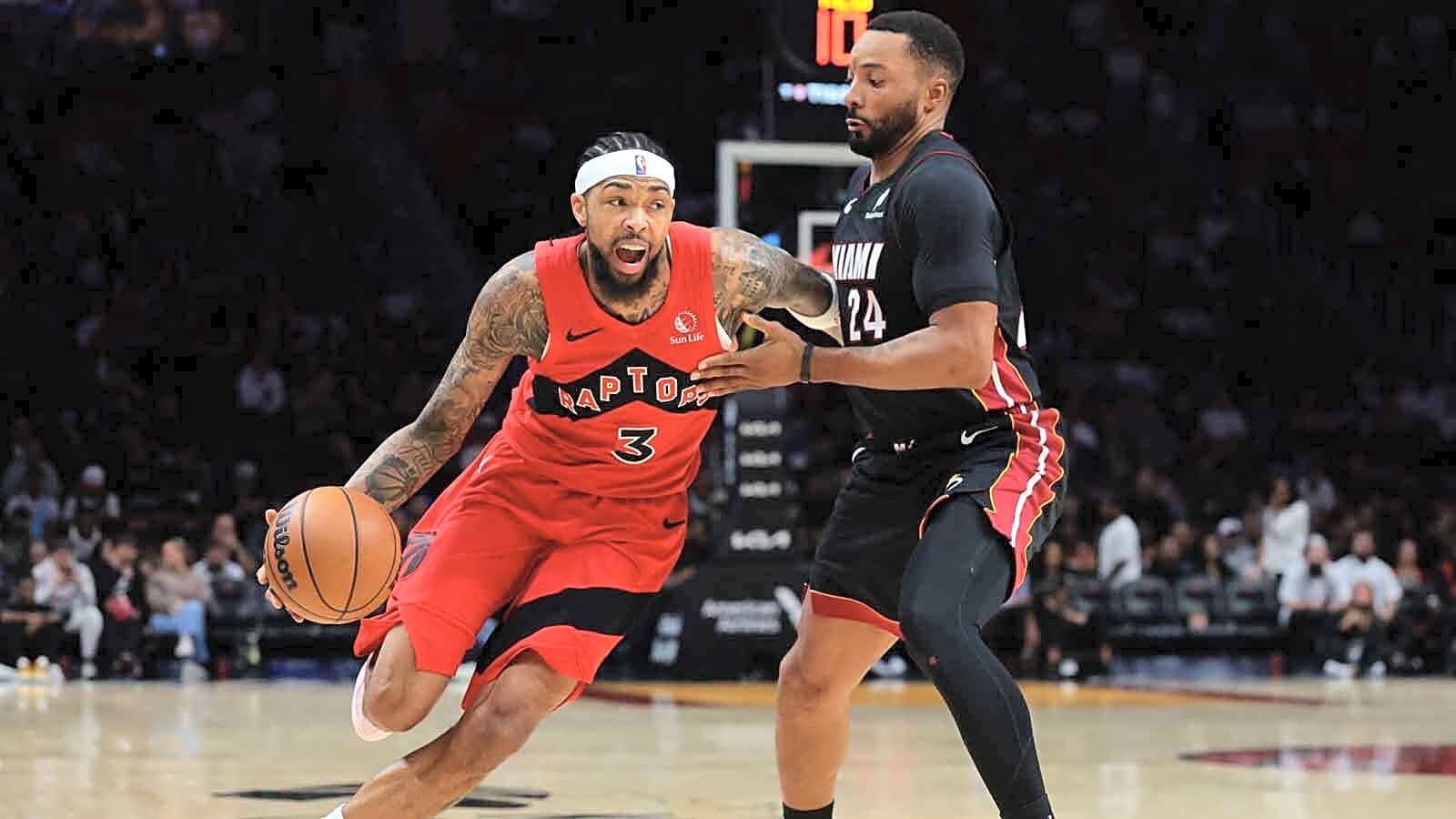
The Toronto Raptors entered the 2026 NBA trade deadline in unfamiliar territory. They weren’t sellers. They wee buyers with legitimate postseason ambitions. After years of recalibration, Toronto had finally re-emerged as a top-six force in the Eastern Conference. When the moment arrived to push their chips forward, though, the Raptors chose restraint over aggression. That hesitation may ultimately stand as their biggest mistake.
Season of resurgence
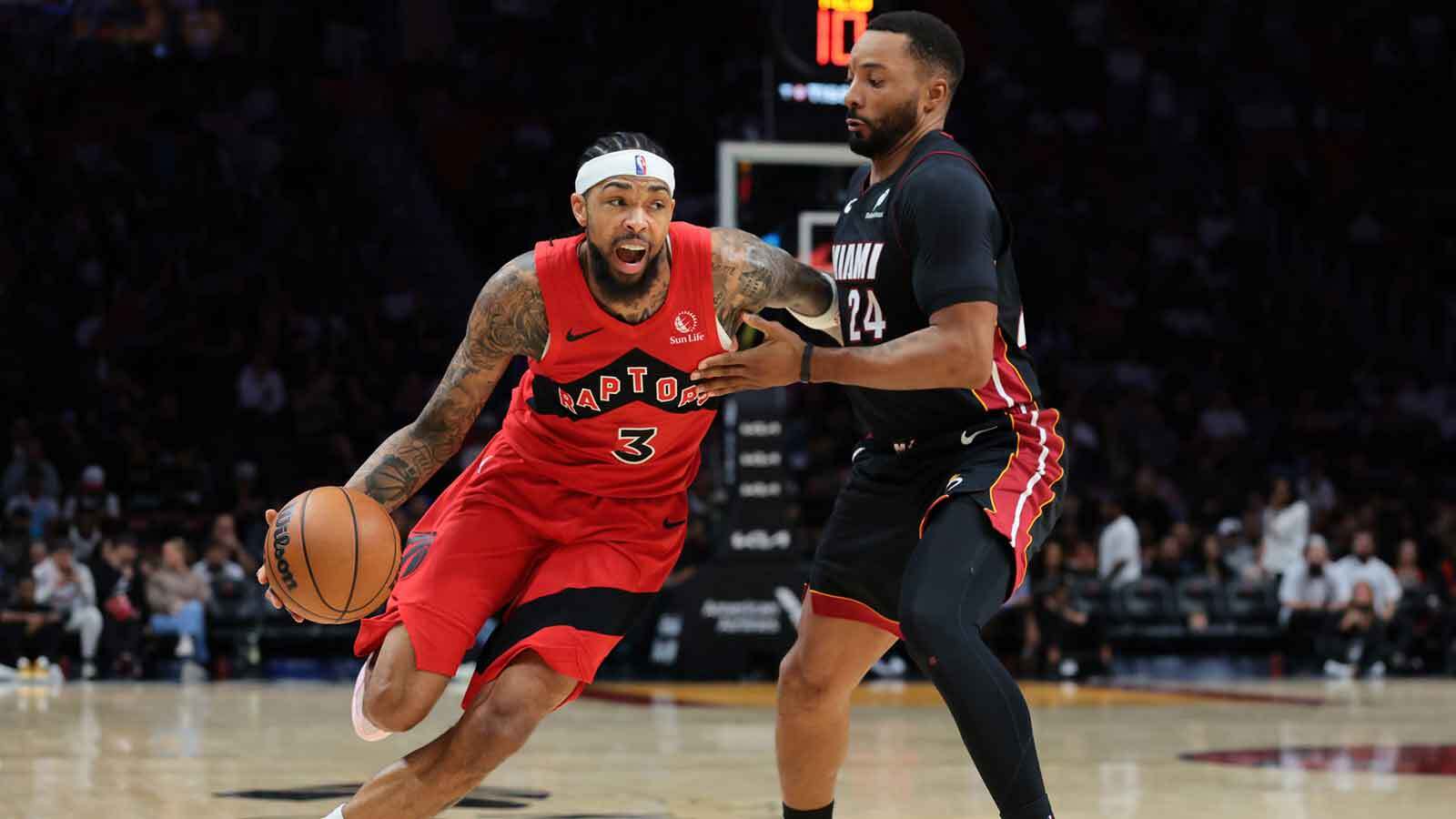
The Raptors have emerged as one of the Eastern Conference’s most pleasant surprises during the 2025-26 season. They currently sit in 5th place with a 31-22 record as of early February. After a disappointing 30-win campaign last year, the franchise has successfully pivoted from developmental rebuild to legitimate playoff threat.
The arrival of Brandon Ingram has been the catalytic shift. Operating as a primary scoring hub, Ingram has averaged 22.2 points per game. He has also provided late-clock shot creation Toronto sorely lacked in prior seasons. Alongside him, Scottie Barnes has continued his ascent into elite territory. He has posted career highs across the board with 19.3 points, 8.3 rebounds, and 5.6 assists per night. He has also functioned as the team’s emotional and tactical centerpiece.
Under head coach Darko Rajakovic, the Raptors have leaned into defensive connectivity. Their switchability, length, and help-side rotations have powered them to a top-10 defensive standing. They also rank 8th in opponent points per game. That defensive backbone has been essential in navigating the brutality of the Atlantic Division.
Frontcourt attrition
Despite the breakout campaign, Toronto’s season has been equally defined by attrition, particularly in the paint.
Starting center Jakob Poeltl has been sidelined since late December with a lingering back injury. That has forced the coaching staff into rotational improvisation. Without their defensive anchor and interior screener, Toronto’s rim protection and defensive rebounding dipped noticeably.
That absence accelerated the developmental timeline of first-round pick Collin Murray-Boyles. he has been thrust into heavy frontcourt minutes. Yes, his energy and defensive flashes have impressed. That said, the physical toll of battling established NBA bigs nightly has exposed the roster’s thin margin for error inside.
The rest of the core includes Immanuel Quickley’s playmaking burst and RJ Barrett’s downhill scoring. This has kept Toronto afloat. However, the interior size gap loomed large heading into the February 5 deadline.
Ultimately, the Raptors opted for a conservative path. They made minor additions like Trayce Jackson-Davis and briefly acquired Chris Paul before waiving him. The message was clear: internal growth plus Poeltl’s eventual return would be their playoff formula. That bet is precisely where the risk lies.
Movement without momentum
To understand Toronto’s biggest mistake, context matters.
The Raptors were heavily linked to Domantas Sabonis in the weeks leading to the deadline. League executives viewed Toronto as one of the most motivated suitors given their center instability. Talks, however, ultimately fizzled. Whether due to asset cost, contract structure, or philosophical caution, Toronto never completed the deal.
Instead, the front office executed smaller, flexibility-driven transactions:
Acquired Trayce Jackson-Davis from Golden State for a 2026 second-round pick (via Lakers).
Acquired Chris Paul via a three-team framework that sent Ochai Agbaji out.
Paul’s tenure lasted mere days. As expected, Toronto waived him shortly after. They prioritized roster space and financial maneuverability.
These were pragmatic moves but not transformative ones.
Hesitation at the five
Toronto’s biggest deadline error wasn’t a move they made, but the move they didn’t.
With Poeltl’s back injury lingering and no guarantee of full postseason durability, the Raptors had a clear vulnerability: interior depth. Failing to secure a frontline upgrade, particularly Sabonis, represents a gamble with playoff consequences.
Sabonis would have fundamentally changed Toronto’s postseason ceiling. His rebounding dominance, dribble-handoff orchestration, and interior scoring would have diversified the Raptors’ half-court offense while stabilizing their frontcourt rotations.
Instead, Toronto enters the stretch run one injury away from relying heavily on developmental bigs in playoff matchups. In a conference where size still dictates series outcomes, that’s a dangerous position.
Band-aid, arms race
Trayce Jackson-Davis is a credible rotational piece. He is athletic, switchable, and energetic. That said, he is not Sabonis. TJD is not a matchup equalizer against elite East frontcourts. He is depth, not deterrence. Framing his acquisition as a frontline solution risks overstating his immediate impact against playoff-hardened bigs.
Toronto’s caution becomes more glaring when contrasted with rival aggression.
Cleveland Cavaliers
Cleveland loaded up, landing James Harden, Keon Ellis, and Dennis Schroder. They infused both star power and guard depth into an already dangerous roster.
Boston Celtics
Boston reinforced its size equation by adding Nikola Vucevic. He gives them another interior scoring and rebounding weapon alongside their established core.
Indiana Pacers
Indiana’s acquisition of Ivica Zubac bolstered their rim protection and interior physicality. Toronto has struggled in those two areas even before Poeltl’s injury.
While competitors escalated, Toronto consolidated. That divergence could decide playoff fates.
Betting on internal growth
By standing relatively pat, Toronto wagers that internal development will outpace external upgrades.
Specifically:
- Collin Murray-Boyles accelerating defensively
- Gradey Dick expanding offensively
- Poeltl returning at full strength
It’s not an illogical bet, but it is a fragile one. Playoff basketball punishes roster thinness more than regular season play ever does.
Risk versus reward calculus
The Raptors’ restraint does preserve long-term flexibility:
- Future picks remain intact
- Cap sheet remains manageable
- Young core remains undisturbed
However, windows in the NBA are fluid. A 31-22 season isn’t guaranteed to replicate itself. When contention windows crack open, even slightly, teams are often judged by whether they leaned in or held back. Toronto held back.
Final word
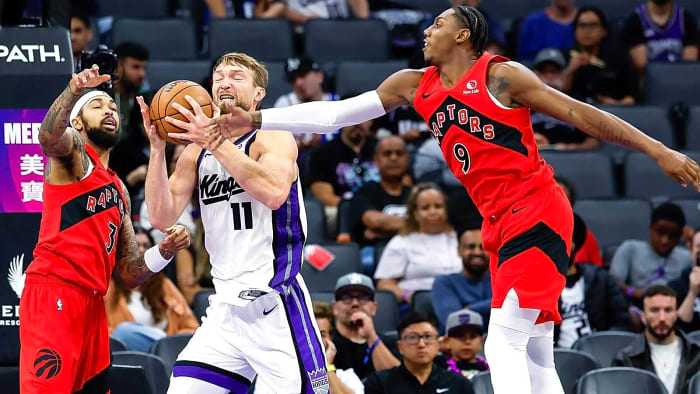
The Raptors didn’t sabotage their future at the deadline. They protected it. In doing so, though, they may have compromised their present.
Failing to secure a definitive frontcourt upgrade, particularly amid Poeltl’s injury uncertainty, leaves Toronto vulnerable in a conference that got bigger, deeper, and more ruthless.
Come April, if the Raptors bow out early due to interior mismatches, the postmortem will trace back to February. Not to what Toronto did, but to what they hesitated to do.
More must-reads:
- Damian Lillard making an improbable return to All-Star Weekend
- Spurs' Stephon Castle makes NBA history in win over Mavericks
- The 'Super Bowl halftime show artists' quiz
Breaking News
Trending News






Customize Your Newsletter
 +
+




Get the latest news and rumors, customized to your favorite sports and teams. Emailed daily. Always free!
PRIVACY POLICY EDITORIAL POLICY CONTACT US
ABOUT YARDBARKER TERMS OF SERVICE


Use of this website (including any and all parts and
components) constitutes your acceptance of these
Terms of Service and Privacy Policy.
This site is for entertainment purposes only.
There is no gambling offered on this site.
Gambling Problem? Call 1-800-Gambler.
