
-

-


Follow Us
-

 On Facebook
 On Flipboard


After a hard-fought season that ended with a first-round exit, the Toronto Raptors are entering a pivotal summer.
With the core of the roster now firmly entrenched, the front office faces the challenge of building a legitimate contender while navigating a tightening cap environment.
Here is a look at the key factors defining the Raptors' 2026 offseason:
Free Agents
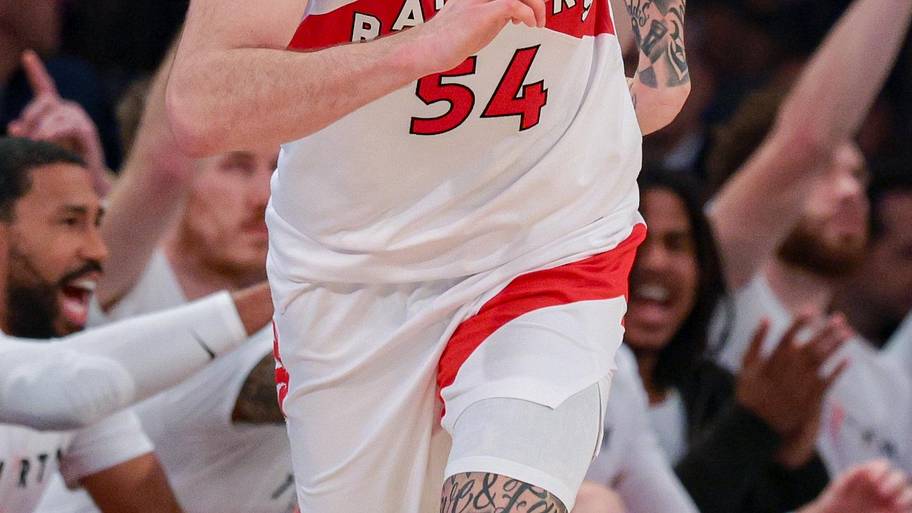
The Raptors enter the 2026 offseason with a roster that is largely under contract, but they face a delicate balancing act regarding their veteran presence.
Garrett Temple, whose value as a locker room mentor outweighs his box score contributions, is a free agent. Toronto must decide if his roster spot is better served on a developmental project or if his leadership is essential for a young team eyeing a deeper playoff run.
The front office will also look to secure high-motor depth like Sandro Mamukelashvili, ensuring the bench has enough functional size to survive a grueling 82-game schedule without overworking the starters. The Raptors would like to retain Mamukelashvili, but he could receive better offers elsewhere after having a historic season with career-highs in several categories, including points, rebounds, assists, blocks and steals.
Draft Capital
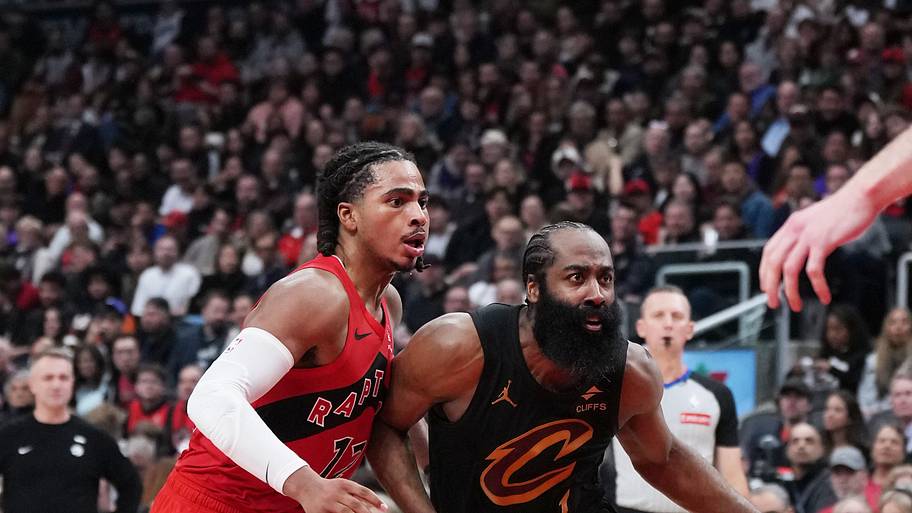
Holding the 19th overall pick in the 2026 NBA Draft, Toronto finds itself in a sweet spot for finding immediate rotation help.
Unlike previous rebuilding years, the front office isn't swinging for a franchise savior but rather a high-floor prospect who can offer defensive versatility or secondary playmaking on a rookie-scale contract.
With the team's salary commitments escalating, hitting on this pick is a financial necessity. Expect general manager Bobby Webster to prioritize a plug-and-play wing or a backup guard who can stabilize the second unit while keeping the team's long-term cap sheet manageable.
Salary Cap Space
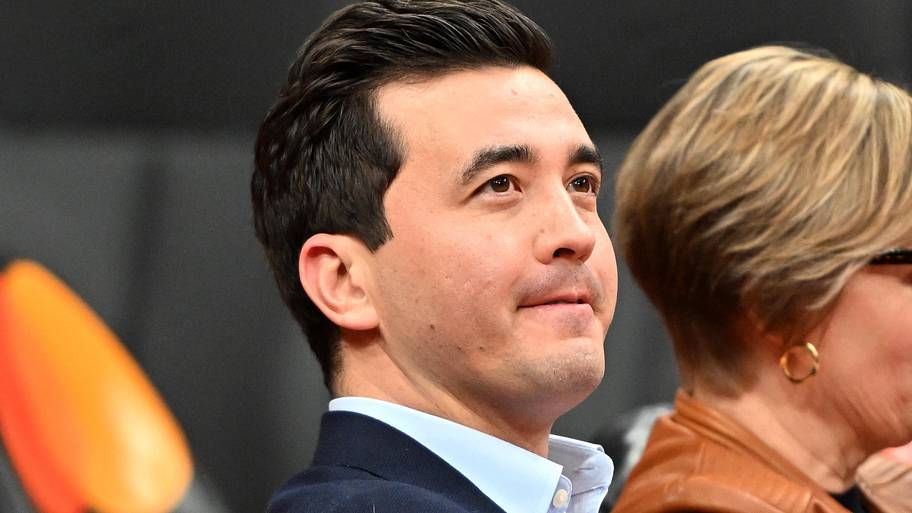
The Raptors' financial flexibility has become increasingly tight following the massive extensions for Scottie Barnes and Immanuel Quickley, combined with the acquisition of Brandon Ingram.
While they aren't quite in second apron territory, they are operating as an over-the-cap team, which limits their external signings to the Mid-Level Exception (MLE).
A major storyline to watch is how the front office navigates the first apron. Staying below this threshold allows them to remain active in the trade market and aggregate salaries, whereas crossing it would trigger restrictive hard caps that could stall their ability to fine-tune the roster around their stars.
Trades
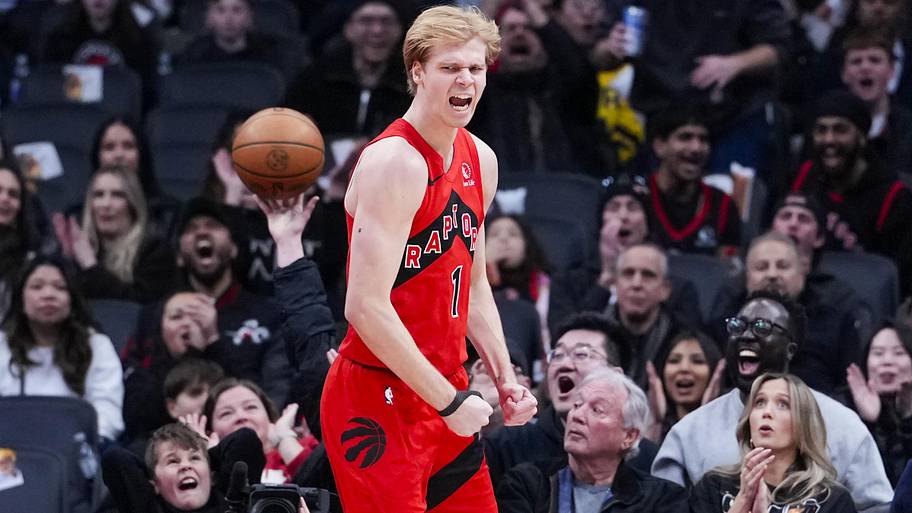
Because the Raptors lack outright cap space to sign a superstar, the trade market remains their most potent tool for roster evolution. With a surplus of young, intriguing assets like Gradey Dick, Toronto is well-positioned to be the third team in blockbuster deals or to pursue a consolidation trade.
The front office is reportedly monitoring distressed stars on teams facing extreme luxury tax penalties, looking to leverage their remaining draft picks and mid-tier salaries (like Jakob Poeltl’s) to land a defensive anchor or a veteran shooter who fits the timeline of their established core.
Sign up for our free newsletter, which will bring all Toronto Raptors On SI stories every weekday to your email.
More must-reads:
- Draymond Green teases Warriors exit again amid Steve Kerr uncertainty
- Bucks reveal deadline for Giannis Antetokounmpo decision amid trade rumors
- The 'NBA Defensive Players of the Year' quiz
Breaking News
Trending News







Customize Your Newsletter
 +
+




Get the latest news and rumors, customized to your favorite sports and teams. Emailed daily. Always free!
PRIVACY POLICY COOKIE POLICY CONTACT US
ABOUT YARDBARKER TERMS OF SERVICE


By using this site, you agree to our Terms of Service and Privacy Policy.
This site is for entertainment purposes only.
There is no gambling offered on this site.
Gambling Problem? Call 1-800-Gambler.
