
-

-


Follow Us
-

 On Facebook
 On Flipboard
 On Twitter
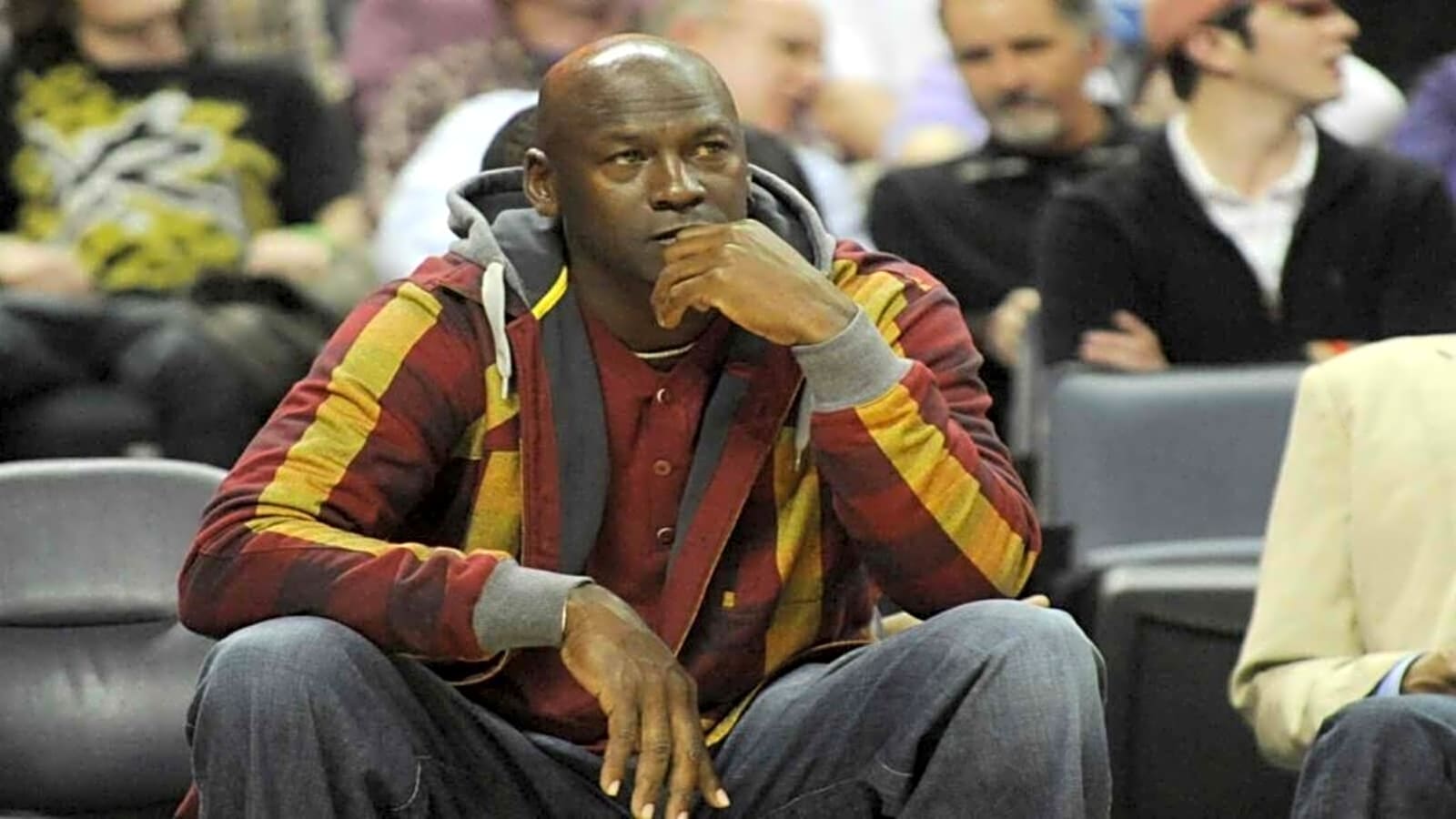
By the end of the year 2000, Michael Jordan looked back at his immediate time after the Bulls with a sense of wonder. He admitted that the lack of a front-office offer from Chicago was the most puzzling thing to him.
Jordan announced his second retirement on January 13, 1999, in a terse press conference. He told the gathered media he was “99.9 percent” sure he was done playing basketball. At the time, he claimed he was not actively looking for a front-office platform upon retirement.
Throughout 1999, other ownership opportunities started coming in. The Charlotte Hornets and other groups reached out to him. However, MJ later noted that while others kept offering him deals, Chicago never reached out. “Not that I would have taken it, but it was never on the table,” he admitted.
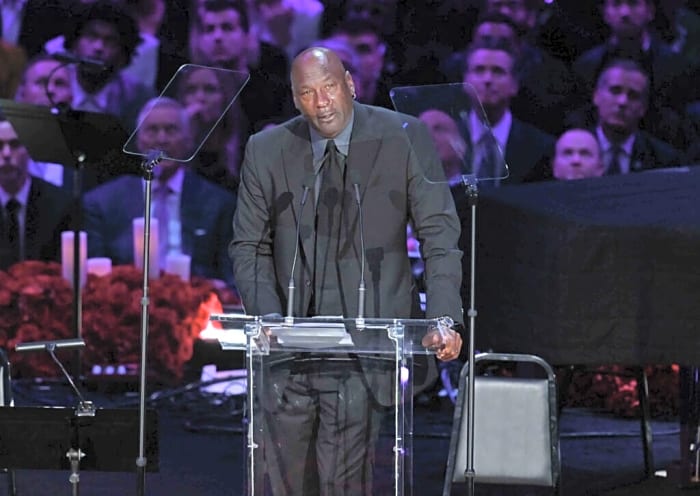
The Bulls secured their second three-peat from 1996 to 1998. But off the court, tension grew with general manager Jerry Krause. Kraus believed that organizations win championships, not just the players on the court.
Jordan expected a formal gesture that never arrived. The reasons behind closed doors tell a very different picture of the franchise’s future.
Why Chicago Never Called Michael Jordan and What Came Next?
Krause wanted to prove he could build a winning team without his legendary star and coach. The front office held a strict organization-first mindset. They feared bringing Jordan in would disturb the long-term rebuild and management.
While Chicago stayed away, the Washington Wizards stepped up. On January 19, 2000, Wizards majority owner Abe Pollin offered Jordan a unique deal. He gave him minority ownership and full control over basketball operations. Jordan accepted the fresh start.
His early executive decisions brought mixed results. He fired coach Leonard Hamilton and hired his old Bulls coach, Doug Collins. He also drafted Kwame Brown with the number one overall pick in 2001. The team attempted a youth rebuild, but a rough 4-18 start exposed their early struggles and left Jordan frustrated.
This front-office frustration quickly spilled over to the court. Jordan decided to unretire and return as a player from 2001 to 2003. He put up solid individual numbers, but the young Wizards missed the playoffs both years.
Pollin eventually fired Jordan as president in May 2003. A similar pattern followed years later during his ownership of the Charlotte franchise, which included an infamous 7-59 season.
So, looking at all this, do you think Jordan would have succeeded as an executive for the Chicago Bulls?
More must-reads:
- Giannis Antetokounmpo explains why he is hurt by sitting out
- Lakers' Austin Reaves out for remainder of season
- The 'NBA two's leaders by season' quiz
Breaking News
Trending News



Customize Your Newsletter
 +
+




Get the latest news and rumors, customized to your favorite sports and teams. Emailed daily. Always free!
PRIVACY POLICY COOKIE POLICY CONTACT US
ABOUT YARDBARKER TERMS OF SERVICE


By using this site, you agree to our Terms of Service and Privacy Policy.
This site is for entertainment purposes only.
There is no gambling offered on this site.
Gambling Problem? Call 1-800-Gambler.
