
-

-


Follow Us
-

 On Facebook
 On Flipboard

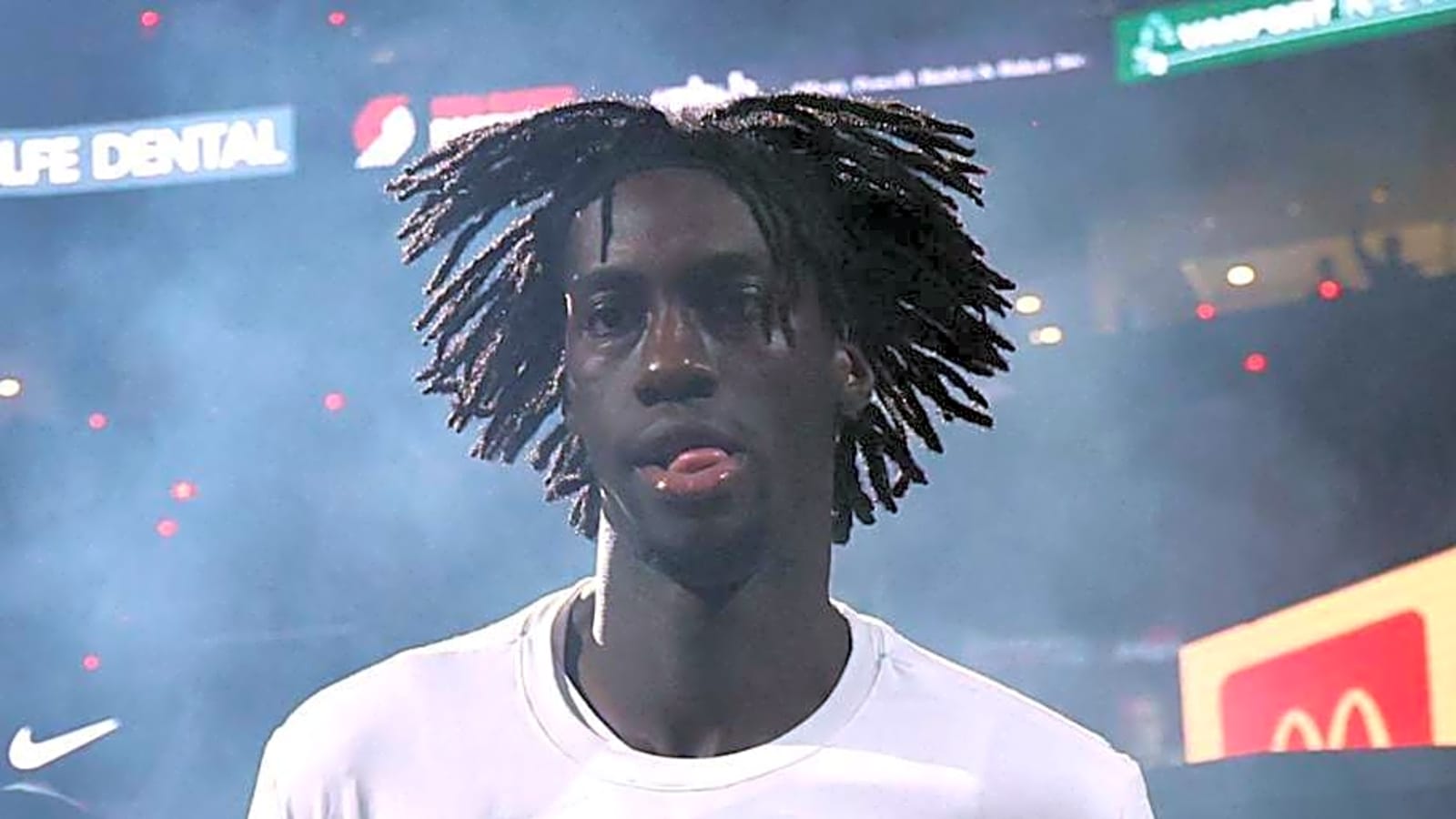
The Portland Trail Blazers are currently the only team in the league without a single selection in the NBA Draft.
A pair of 2021 trades involving Larry Nance Jr. and Greg Brown III stripped the cupboard bare , leaving general manager Joe Cronin with no organic way to add young prospects in the draft.
However, Portland should not settle for a silent draft night. The front office must aggressively trade back into the second round to maximize roster flexibility and tap into a surging global talent pool.
Targeting Perfect Role Players
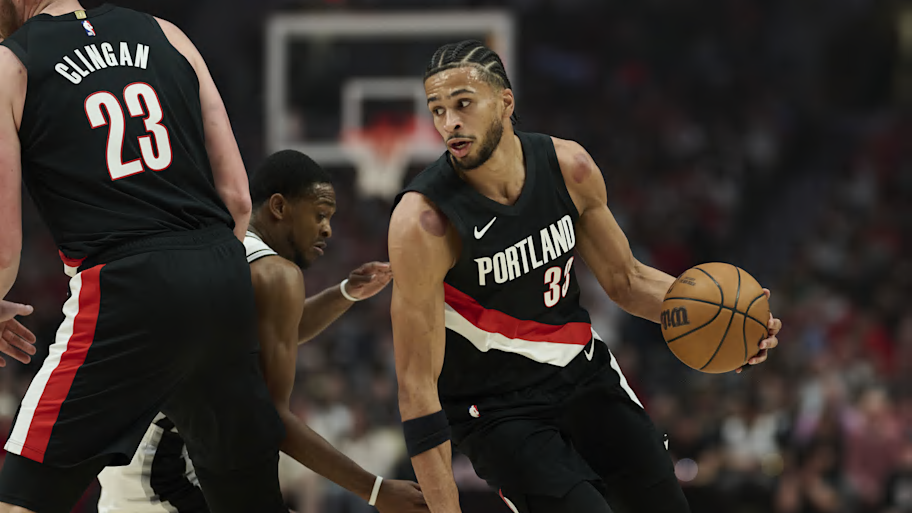
While first-rounders often focus on high-upside projects, the second round is a goldmine for high-floor upperclassmen. Portland’s roster needs immediate depth, and trading into the 31-45 range offers access to players who spent four years in college honing specific NBA skills.
Recent successes like Toumani Camara prove that late-draft finds can become immediate defensive anchors. By targeting prospects like Iowa State forward Milan Momcilovic or UConn big man Alex Karaban, the Blazers can find specialized shooting or rebounding that fits seamlessly into a rotation without the multi-year learning curve.
Buying Low in a Deep Draft
Draft analysts increasingly view the 2026 class as having significant value beyond the headliners. Teams like the San Antonio Spurs and New York Knicks currently hold multiple second-round and may lack the roster spots to keep every player they draft.
The Blazers can use cash considerations or future second-rounders to buy a pick from a roster-cramped contender. Securing a spot in the second round allows the Blazers to take a low-risk flyer on a player who slipped through the cracks.
G League and Two-Way Flexibility
Trading into the second round also secures the player's draft rights, giving the Blazers exclusive control over their development. With the Rip City Remix operating as the franchise's G League affiliate, a second-round pick acts as a developmental bridge.
If the Blazers rely solely on undrafted free agency, they compete with 29 other teams for the best remaining talent. By trading into the draft, they dictate the terms, ensuring they land the specific archetype that the current roster lacks.
The Bottom Line
For a Blazers team navigating a complex salary cap, these second-round picks represent the most cost-effective labor in the NBA.
Drafting a player at No. 35 or No. 40 allows Portland to secure a team-controlled asset for three or four years at a fraction of the cost of a veteran minimum contract. This provides the cap relief necessary to keep core stars while filling out the bench.
Staying out of the draft entirely is a passive move that Portland cannot afford. By trading into the second round, Cronin can turn a player into a strategic acquisition of cheap, specialized talent that balances the books and bolsters the bench.
More must-reads:
- Kawhi Leonard trade from Clippers to Raptors is finally happening
- Clippers finally make decision on finalizing the Kawhi Leonard trade
- The 'Most points in a game by NBA team' quiz
Breaking News
Trending News




Customize Your Newsletter
 +
+




Get the latest news and rumors, customized to your favorite sports and teams. Emailed daily. Always free!
PRIVACY POLICY COOKIE POLICY CONTACT US
ABOUT YARDBARKER TERMS OF SERVICE


By using this site, you agree to our Terms of Service and Privacy Policy.
This site is for entertainment purposes only.
There is no gambling offered on this site.
Gambling Problem? Call 1-800-Gambler.
