-

-


Follow Us
-

 On Facebook
 On Flipboard


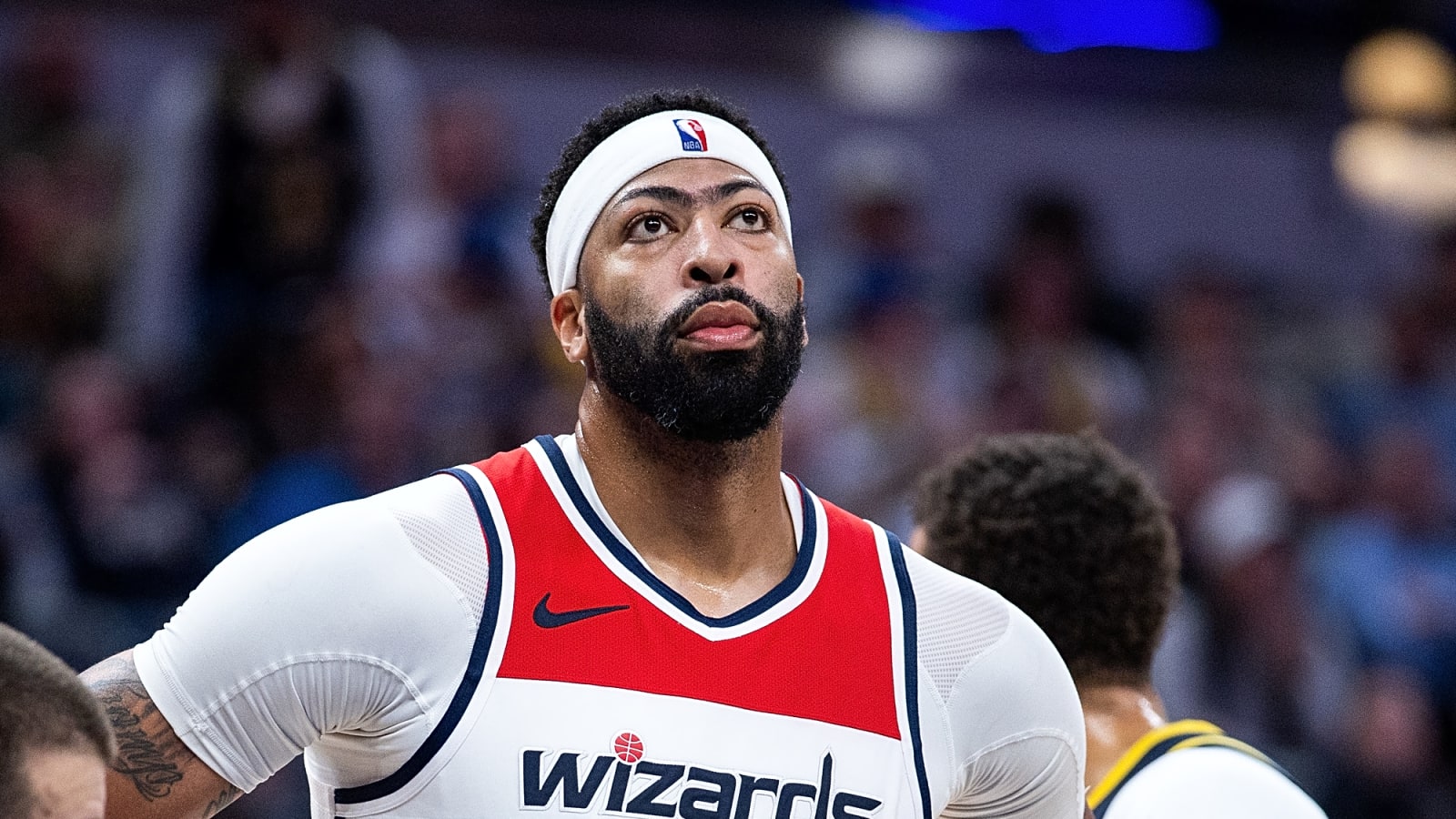
The Washington Wizards are spiraling early in the 2026-27 NBA season , sitting near the bottom of the Eastern Conference with a 4-11 record and an eight-game losing streak. At the center of this disjointed roster is a superstar producing at an elite level, yet generating zero meaningful team success. As losses continue to pile up in the nation’s capital, Anthony Davis trade rumors are intensifying rapidly. His exceptional individual performance, combined with a complicated contract situation, is positioning the veteran big man as the hottest commodity on the midseason trade market.
Anthony Davis vs. Detroit Pistons 11/12/2026
— NBA Shooting Audit (@NBAShotAudit) November 14, 2026
30 PTS | 13-21 FG | L 140-144 pic.twitter.com/NPhBbGMpvW
A Statistical Giant on a Sinking Ship
Individually, Anthony Davis has held up his end of the bargain since arriving in Washington. Through his first string of games this season, the 33-year-old is averaging a strong 24.7 points, 10.3 rebounds, and over a block per game. He is operating efficiently, shooting nearly 52% from the floor, and providing his usual disruptive presence on the defensive end.
Despite his numbers, the production is happening in a vacuum. The Wizards recently suffered massive blowout losses, including a 147-119 dismantling by the Houston Rockets and a 136-120 defeat against the Memphis Grizzlies. When Davis is the lone big man on the floor, the offense still struggles, and the defensive rotation around him remains porous. Pairing Davis with Alex Sarr has created spacing issues, and the front office’s attempt to accelerate a rebuild by bringing in Davis and Trae Young is failing.
The Looming Contract Dilemma
Beyond the on-court product, the financial realities of this roster are forcing Washington’s hand. Davis is currently making roughly $58.5 million this season and holds a massive player option for the 2027-28 campaign. He is eligible for a four-year extension that could pay him up to $275 million, which would keep him on the books well into his late 30s.
For a franchise emphasizing the development of young foundational pieces like AJ Dybantsa, Bub Carrington, and Alex Sarr — now in his third season — committing huge long-term money to an aging center contradicts any logical strategy. Washington is already paying Young north of $50 million annually. Giving Davis a maximum extension would catapult the team into the dreaded second apron of the luxury tax — a financial penalty no front office would swallow for a lottery-bound roster.
Why a Trade is the Logical Move
With the February 11 trade deadline slowly creeping closer, the Wizards have a clear mandate: they must recoup assets. Washington surrendered multiple first-round picks and players to acquire Davis from the Dallas Mavericks earlier this year. Letting him walk for nothing or carrying his massive cap hit while stalling the development of their young core would be organizational malpractice.
Moving on from Davis does more than repair the salary cap sheet; it immediately fixes structural issues in the starting lineup. Clearing out the veteran center resolves a significant logjam in the frontcourt. Without Davis demanding touches and crowding the paint, Sarr can finally operate more naturally inside.
For Sarr to take the next developmental leap, he needs the spacing and positional freedom to command the paint defensively and attack the rim offensively without constantly deferring to a high-usage veteran. Trading Anthony Davis allows the Wizards to hand the keys to the frontcourt back to their young core while recouping the draft capital they desperately need to build a viable future.
More must-reads:
- From basketball court to courtroom: LeBron James sues AI sports-betting app
- Tipping off: The unstoppable Spurs; Lakers on pace to rack up even more wins
- The '1,500-point, 150-block seasons' quiz
Breaking News
Trending News





Customize Your Newsletter
 +




Get the latest news and rumors, customized to your favorite sports and teams. Emailed daily. Always free!
PRIVACY POLICY COOKIE POLICY CONTACT US
ABOUT YARDBARKER TERMS OF SERVICE


By using this site, you agree to our Terms of Service and Privacy Policy.
This site is for entertainment purposes only.
There is no gambling offered on this site.
Gambling Problem? Call 1-800-Gambler.