
-

-


Follow Us
-

 On Facebook
 On Flipboard


The Paul G. Allen Estate formally put the Seattle Seahawks up for sale on February 18, last month. Ten days after winning Super Bowl LX. The franchise could fetch $7 billion to $10 billion, potentially surpassing the Washington Commanders’ $6.05 billion 2023 sale. Paul Allen bought the team for $194 million in 1997, producing a 36x to 51x return depending on the final price. The championship roster that delivered the second Lombardi Trophy is already starting to splinter. Free agency opens on March 11. Ownership change will immediately affect the roster.
Timing Was Intentional
Paul Allen left explicit instructions to sell all sports holdings and direct proceeds to philanthropy. Jody Allen, as estate chair, initiated the sale at peak franchise value after two Super Bowl titles and a 14-3 season. Market valuations already exceeded $6.59 billion before February 18. Allen & Company and Latham & Watkins were hired to run the process. Selling now made financial sense. On the field, it introduced uncertainty. Football operations face a period where ownership transition intersects with championship-level contracts and free agency. The timing amplifies roster pressure.
Walker’s Market Edge

Free agency opens three weeks after the sale announcement, giving Super Bowl MVP Kenneth Walker extraordinary influence over his contract. Analysts project his value between $9 million and $14 million annually. Rival teams contacted his representatives before the official period began. GM John Schneider faces a choice: overpay to retain the MVP or lose him to a franchise offering guaranteed terms. Rashid Shaheed has a projected $14 million-plus annual salary. Seattle’s cap projections strain under these commitments. The championship core faces immediate financial pressure, and decisions made now will shape the roster for the 2026 season.
Front Office Pressure
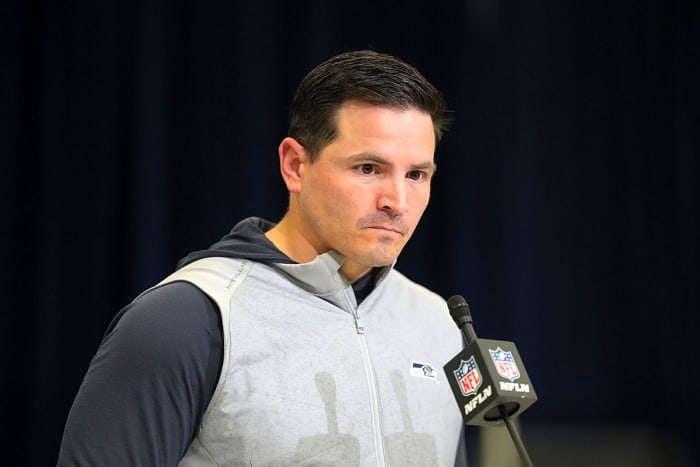
Schneider and Head Coach Mike Macdonald met with Jody Allen and received a single directive: continue building the team. “She said, ‘Let’s go for it. Let’s make it happen.’ It is business as usual for us,” Schneider said. Seattle projects $58 million to $63.6 million in 2026 cap space, sixth in the NFL. Walker, Shaheed, and the championship nucleus stretch those resources. Planning for success becomes complicated when peak-value sale meets open-market free agency. Every move carries consequences for retention and payroll. The front office faces immediate and unavoidable financial calculations.
Bidding Shockwaves

Three to five billionaire groups are expected to compete for the Seahawks, driving the franchise’s valuation upward. The Commanders’ $6.05 billion 2023 record lasted three years. If Seattle clears $8 billion, every NFL owner sees a paper increase in net worth. One sale in the Pacific Northwest recalibrates 32 ownership stakes across the league. The bidding war already changes expectations for player salaries and contract negotiations. Every offer sets a precedent. Ownership uncertainty affects free-agent decisions, the team’s ability to retain players, and projected roster construction for the coming season.
The Hidden Mechanism
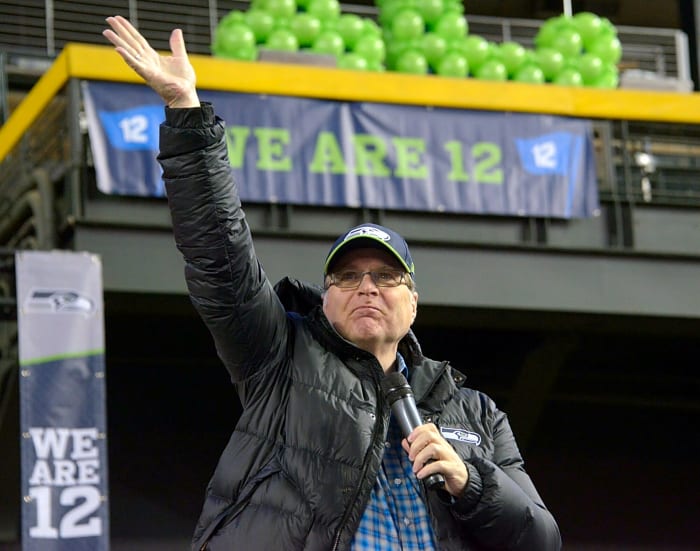
The estate’s philanthropic directive triggers a chain reaction. Peak-value sale attracts aggressive bidders. Aggressive bidders create uncertainty. Uncertainty inflates free-agent salaries. Inflated contracts strain the cap. Cap strain triggers roster adjustments. The championship roster built by Paul Allen faces possible dismantling. Contract negotiations and player retention are influenced by ownership uncertainty. One decision made on February 18 continues to ripple through payroll planning and roster stability. Every dollar bid, every cap decision, and every extension is shaped by the sale process. Seattle’s championship future is directly tied to these forces.
Business as Usual?
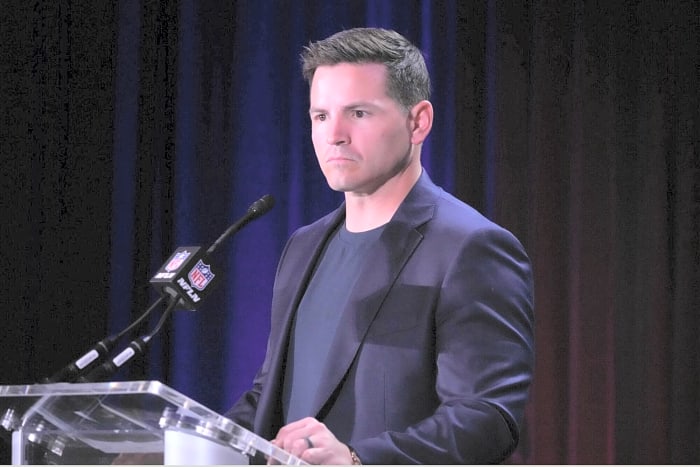
Macdonald said operations remain steady: “Not really. You’re aware of what is happening, but it is business as usual for us. That is the directive Jody provided, so it is straightforward.” Coaching staff security depends on whether new ownership aligns with the current philosophy. Schneider’s roster plans could be altered once ownership changes hands. Free agents cannot ignore these realities. Seattle must maintain continuity during a period of uncertainty. Every contract and extension now occurs under a cloud of transition that will determine long-term roster composition.
No Historical Precedent
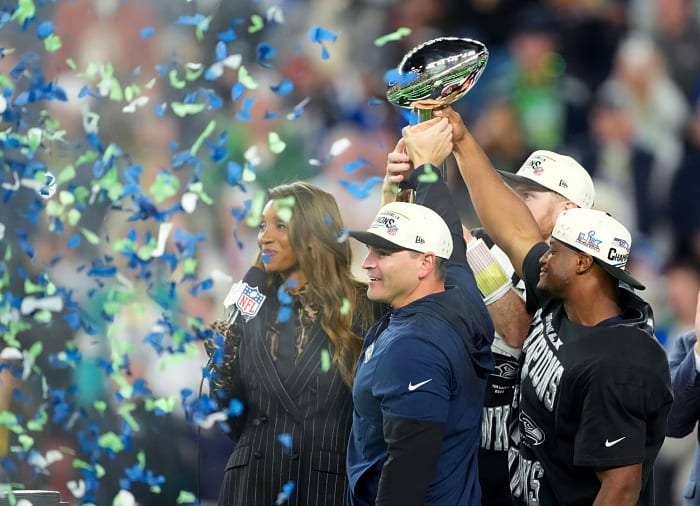
No Super Bowl champion has been fully sold immediately after winning the title. Preston Robert Tisch purchased half the Giants after Super Bowl XXV in 1991, but partial stakes did not create comparable disruption. This is a complete transfer. NFL owners must approve the transaction before closing, creating an additional delay. The sale is expected to run through the entire 2026 offseason and beyond. By the time a new owner is confirmed, roster decisions affecting the next three seasons may already be set or lost. Seattle enters uncharted territory for championship continuity.
Winners and Losers
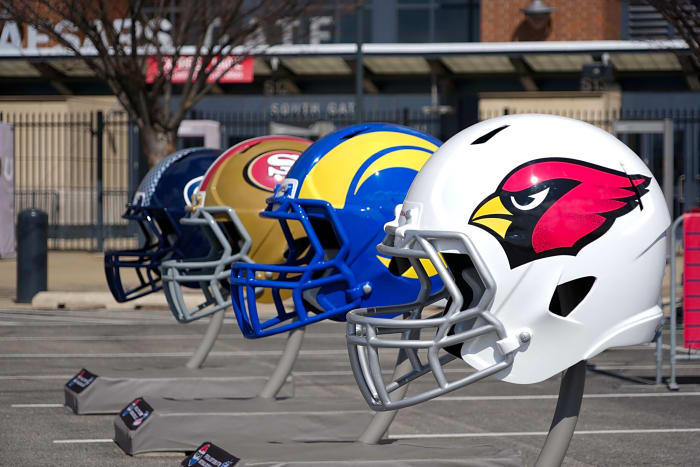
NFC West rivals gain an advantage. Every competitor benefits from Seattle’s ownership uncertainty. Free agents use the situation to demand higher contracts. Fans witness the end of 29 years of Allen family stewardship delivering two championships. Incoming ownership inherits a roster that may not remain intact during the transition. Schneider can secure extensions before the sale closes, but the new owner could renegotiate all contracts. The championship core faces immediate risk. The Seahawks’ current stability collides with financial and ownership realities. The landscape for the 2026 season depends on decisions made before the closing date.
The Cascade Continues
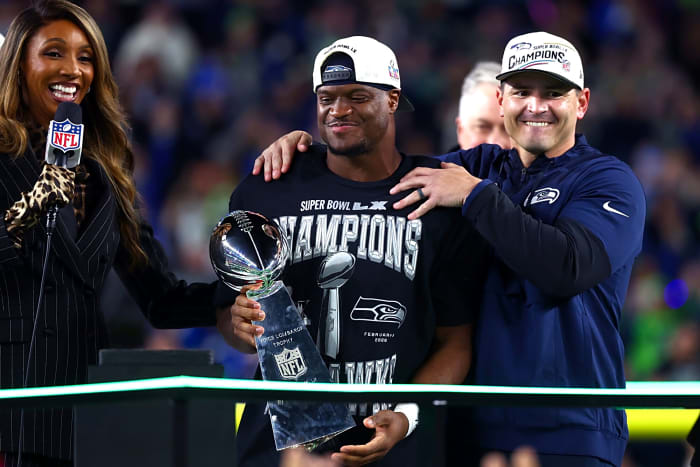
The offseason effects extend beyond March. A cost-conscious owner could cut $50 million in payroll. An aggressive buyer could spend $80 million in free agency, reshaping NFC West power. The sale process, starting ten days after a Super Bowl parade, will define Seattle football for the next decade. Headlines reported a team being sold, but the underlying sequence—ownership, valuations, and roster decisions—remains in motion. Every contract negotiation and retention decision now operates within that framework. The Seahawks’ post-championship era is actively being shaped while the free-agent market opens.
Sources:
Paul Allen’s estate begins selling Super Bowl champ Seahawks. ESPN, February 17, 2026
Estate of Paul G. Allen Begins Sale Process for Seattle Seahawks. Seahawks Official, February 17, 2026
Seahawks RB Kenneth Walker III named MVP of Super Bowl LX. ESPN, February 8, 2026
The Seahawks sale could set an NFL record — but it isn’t guaranteed. The New York Times (The Athletic), February 19, 2026
RB Kenneth Walker estimated market value in 2026. Seahawks Wire (USA Today), March 3, 2026
Seahawks’ Rashid Shaheed testing NFL free-agent market, report says. The Seattle Times, March 4, 2026
More must-reads:
- Deebo Samuel has two potential teams after Jauan Jennings' deal
- Jets agree to new deal with RB Breece Hall, banking on his versatility
- The 'Multiple 4K-yard NFL seasons' quiz
Breaking News
Trending News





Customize Your Newsletter
 +
+




Get the latest news and rumors, customized to your favorite sports and teams. Emailed daily. Always free!
PRIVACY POLICY COOKIE POLICY CONTACT US
ABOUT YARDBARKER TERMS OF SERVICE


By using this site, you agree to our Terms of Service and Privacy Policy.
This site is for entertainment purposes only.
There is no gambling offered on this site.
Gambling Problem? Call 1-800-Gambler.
