
-

-


Follow Us
-

 On Facebook
 On Flipboard

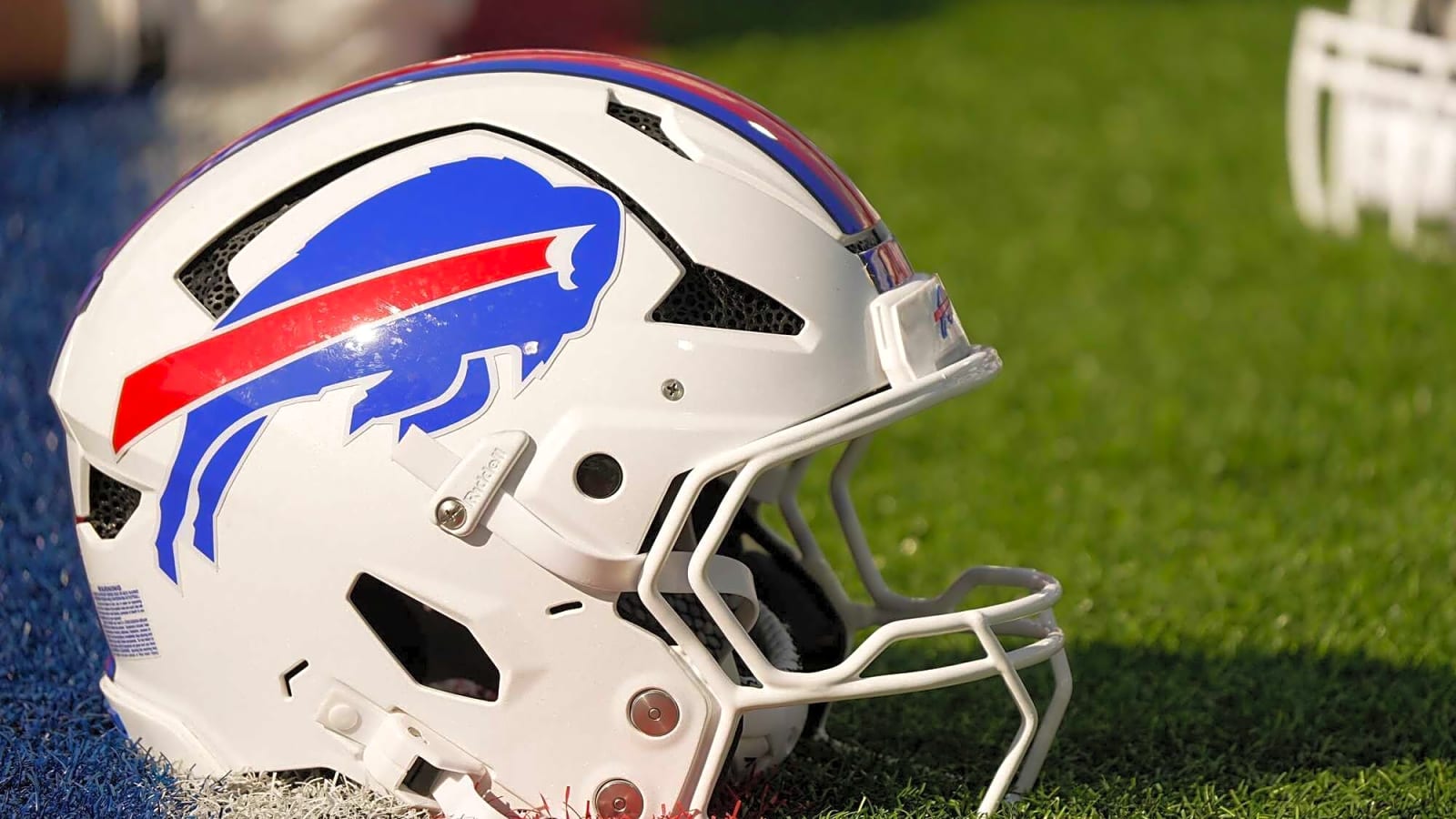
In Orchard Park, over a hundred workers are on the job, pulling stadium seats out of concrete, row by row and section by section. Highmark Stadium carries the lingering scent of fifty-three winters: spilled beer, lake-effect snow, memories layered over decades. The place is now split into neat categories, including seats, turf squares, section signs, and bathroom fixtures. Every bolt and slab of porcelain is tagged and priced before the wrecking crew gets to work. The Bills played their last game here. Now, a piece of the building is available for purchase. The price list borders on the unbelievable.
Fifty-Three Years, Reduced to Shipping Labels
The stadium opened in 1973 as Rich Stadium, built for $22 million. That figure would be about $160 million today. Across the street, a replacement is under construction with a $2.1 to $2.2 billion price tag, one hundred times the original cost. Erie County still owns the old building, but the Bills are paying the entire $30 to $40 million demolition bill. Before demolition, the county partnered with Brandon Steiner’s CollectibleXchange to clean out the stadium and sell any salvageable items. More than 70,000 seats are up for grabs.
The $10 Seat That Became $549
In 1998, stadium seats sold for about $10 during renovations. Today, a single seat is priced at $549 and a pair at $649. This is a 55-fold markup for the same piece of plastic and metal. The building’s imminent closure adds value. Section signs are $400. No-smoking signs cost $99. Turf preserved in a glass case is also $99. Season ticket holders have first choice and a discount for their previous seats. Other buyers pay a premium for nostalgia, and thousands placed orders within the first few weeks.
The Bathroom That Broke the Market
Brandon Steiner previously handled stadium liquidations at Yankee Stadium, Madison Square Garden, and Texas Stadium. He expected strong demand for memorabilia. Bathroom fixtures, especially urinal troughs, became an unexpected hit. These long, communal troughs sold for $5,000 each and surpassed all sales projections. Often overlooked during games, these items gained value as soon as the building’s end was announced. The eight-foot slab of porcelain now serves as proof of attendance at Highmark Stadium, and the overlooked pieces are the most sought after.
The Machine Behind the Memories
Steiner built a business around stadium liquidation. His company, CollectibleXchange, visits venues, removes any potentially valuable items, authenticates and prices them, and distributes them to fans who see demolition remnants as heirlooms. “There’s a lot of nooks and crannies as you take a stadium apart,” Steiner said. Erie County and CollectibleXchange split revenue 50/50 after expenses, and the county expects to make just over $1 million. However, demolition alone costs $30 to $40 million, a bill paid by the Bills.
The Numbers That Expose the Deal
The county’s share from memorabilia sales amounts to about 3 percent of the Bills’ demolition costs. The Bills pay for demolition but receive none of the memorabilia revenue. Erie County owns the building, outsources liquidation, and receives a fraction of the proceeds. CollectibleXchange earns the other half. On paper, a 50/50 split after expenses seems reasonable. The county set the terms for a building with 70,000 seats and a fan base willing to pay premium prices for a piece of history.
Who Gets Left Behind
Bills Mafia, the fans, built their identity inside this place. Table jumps, icy tailgates, and decades of loyalty shaped the culture. A ticket was the only requirement for belonging. Now, that sense of community is boxed up, priced, and shipped out. For many working-class fans in Western New York, $549 for a seat is unattainable. Memorabilia will be available throughout 2026 on the Bills website, eBay, and CollectibleXchange. Scalpers are already circling. Prices are likely to rise, and the people who shaped the culture could be left out.
A New Rule for Every Stadium
This process now extends beyond Buffalo. Steiner has applied this approach at stadiums across the country. RFK Stadium in Washington has already been demolished, and cities such as Chicago and Oakland could follow. The pattern repeats: keep the old building operational, approve a new facility, strip and sell everything from the old stadium, then demolish and redevelop. Stadium closures, previously seen as financial losses, have become new sources of revenue. With this shift, every aging stadium appears less like a landmark and more like inventory awaiting cataloging.
The Clock on the New Building
Just across the street, the new Highmark Stadium is nearly finished. The budget has reached $2.1 billion, with about 1,500 workers on site each day. The opening is targeted for summer 2026, with plans to host football games by August. Demolition of the old Highmark is expected to finish by early 2027, and the land will be leased to the Bills. This overlap is unusual: one stadium rises as the other is dismantled, both serving the same fan base. Two stadiums, one street, and a franchise investing billions in the idea that newer means better.
What You’re Really Buying
Buyers do not pay $5,000 for plumbing; they pay for an object that will soon cease to exist. Steiner recognized this market before most. A seat in the garage does not make someone a better Bills fan. It represents ownership of something shared by 70,000 people and impossible to replace. The new stadium will open soon. It will be modern and costly, but history must be built from the ground up.
Sources:
WKBW, “Demolition begins at Highmark Stadium with collection and sale of memorabilia underway,” March 30, 2026
Sports Illustrated, “Bills Mafia even buying urinal troughs as old Highmark Stadium prepares for demolition,” Jan. 9, 2026
StadiumDB, “Last snow at Highmark Stadium. Bills gear up for $2.1 billion new home,” Dec. 28, 2025
Heavy.com, “For Sale: Used $5K Urinals From Buffalo Bills’ Highmark Stadium,” April 2, 2026
Sports Business Journal, “CollectibleXchange set to begin sales of Highmark Stadium seats, signage,” Nov. 23, 2025
Buffalo Bills Official, “Bills fans will get a chance to own a piece of Highmark Stadium following the 2025 season,” Nov. 25, 2025
More must-reads:
- Mel Kiper Jr., Todd McShay, Dane Brugler all link Ty Simpson with one team
- Giants seem to send clear message to Dexter Lawrence II about 'broken off' talks regarding extension, trade
- The 'Multiple 200 three-pointer seasons' quiz
Breaking News
Trending News






Customize Your Newsletter
 +
+




Get the latest news and rumors, customized to your favorite sports and teams. Emailed daily. Always free!
PRIVACY POLICY COOKIE POLICY CONTACT US
ABOUT YARDBARKER TERMS OF SERVICE


By using this site, you agree to our Terms of Service and Privacy Policy.
This site is for entertainment purposes only.
There is no gambling offered on this site.
Gambling Problem? Call 1-800-Gambler.
