
-

-


Follow Us
-

 On Facebook
 On Flipboard

A $2.1 billion stadium rising in Orchard Park, New York, has already sparked a high-stakes push before opening day arrives. The Buffalo Bills are lobbying the NFL for a prime-time debut in fall 2026, aiming to showcase a venue funded with $850 million in taxpayer money. State and county contributions helped build the structure, while the team secures most of the long-term revenue. As construction nears completion, questions around public funding, private profit, and fan access are moving into sharper focus. The opening night spotlight could reveal far more than just a new field.
A Formal Push For Prime Time
Buffalo’s leadership has made its intentions clear to the league office. Bills COO Pete Guelli confirmed the team formally requested a prime-time home opener for the first game at New Highmark Stadium in fall 2026. “We’ve already been approached by networks that would like to have it,” Guelli said. “It’s really a league decision.” NBC, ESPN, and Prime Video all control coveted slots, and the Bills want one. With the 2026 schedule still unreleased, the league now holds the final call, leaving anticipation quietly building across Buffalo.
The Public Funding Behind The Build
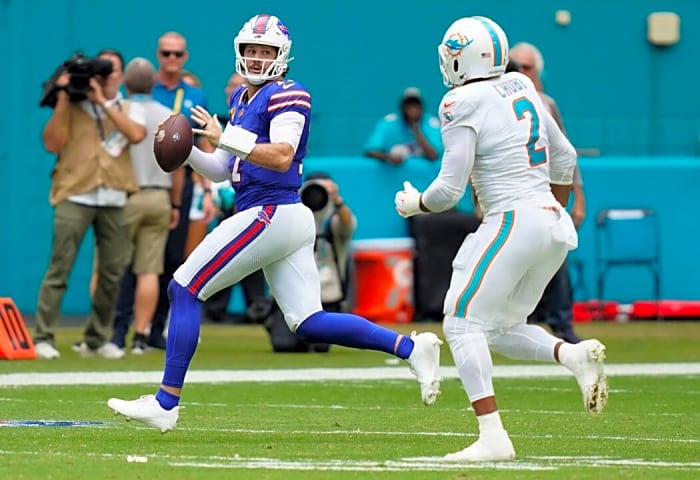
The financial backbone of the project traces directly to taxpayers. New York State committed $600 million, while Erie County added $250 million, bringing total public funding to $850 million. When finalized in March 2022, it marked the largest public contribution ever for an NFL stadium. Total costs later surged from $1.35 billion to more than $2.1 billion, though the public share remained fixed. That structure shifted risk to the team while preserving taxpayer exposure, raising deeper questions about who truly benefits from the finished product.
When Fans Pay Twice To Enter
For many longtime supporters, the cost of entry has changed dramatically. Approximately 91% of seats at the new stadium require personal seat licenses, a sharp contrast to the previous venue, which required none. The Bills sold 54,628 PSLs, generating over $260 million, exceeding projections by about 15%. All 6,162 club seats, which also require PSLs, are already sold out. Rising ticket prices have added pressure, leaving many fans facing new financial barriers that reshape the traditional game-day experience in unexpected ways.
Inside The Stadium Revenue Engine

The new venue was designed to maximize revenue streams from the ground up. At least six founding partners, including Wegmans, Highmark, M&T Bank, Ticketmaster, Verizon, and PepsiCo, have secured long-term deals. Naming rights alone provide steady annual income under Highmark Blue Cross Blue Shield. The lease runs 30 years with a buyout option after 15, and the team retains most stadium-generated revenue. Public funds built the infrastructure, but the financial returns are structured to flow primarily toward the franchise and its private partners.
From $22 Million To $2.1 Billion

The contrast between past and present stadium economics is stark. The original venue opened in 1973 for about $22 million, compared to more than $2.1 billion for the new build. Spanning 1.35 million square feet, the facility includes a canopy covering roughly 65% of seats and acoustics engineered to amplify crowd noise. Of 60,108 seats, 54,628 require PSLs. Limited general-admission availability leaves fewer options for casual fans, revealing how modern stadium design increasingly prioritizes premium access over broad affordability.
A Model Spreading Across The NFL
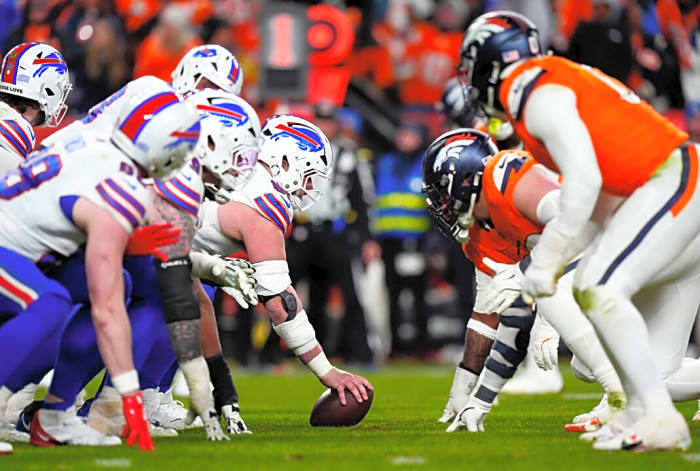
Buffalo’s approach has influenced stadium negotiations across the league. Since the Bills’ deal in March 2022, other franchises have pursued similar funding structures. The Kansas City Chiefs secured approximately $1.8 billion in public funding, surpassing Buffalo’s benchmark. The Tennessee Titans are also building a new stadium under comparable terms. As older venues face demolition and replacement, a pattern has emerged where public investment helps drive private profit, setting expectations for future projects in cities eager to retain their teams.
The Blueprint That Changed Negotiations

The Bills’ agreement reshaped expectations for what teams can request from governments. The $850 million public commitment exceeded Nevada’s $750 million contribution for Allegiant Stadium, setting a new benchmark at the time. Other franchises quickly recognized the leverage this created. A loyal fan base, a competitive team, and local economic pressure combined into a formula that cities found difficult to resist. That framework now appears repeatedly, turning what once felt exceptional into a standard negotiating strategy across the NFL.
Racing Toward The 2026 Debut
Construction continues under Gilbane Building Company and Turner Construction, with substantial completion expected by mid-2026. Some finishing work may extend beyond that milestone, even as preseason games approach in August. The regular season begins weeks later, meaning the stadium could host games while final adjustments are still underway. If granted a prime-time opener, the national audience would witness both the debut and the final stages of construction, blending spectacle with the realities of a project still nearing its finish.
The Real Cost Of The Bright Lights

Prime-time exposure offers more than visibility. It increases sponsor value, reinforces PSL investments, and boosts franchise valuation. Yet the taxpayers who contributed $850 million will not directly share in most of that financial upside during the 30-year lease. The old stadium delivered decades of community memories at a lower cost barrier. The new one reflects a different economic model built around premium access and revenue optimization. When the 2026 opener arrives, the spotlight will illuminate more than football.
Sources:
“Bills want to open new stadium in prime time.” NBC Sports, April 5, 2026.
“New York taxpayers to shell out record $850M for new Buffalo Bills stadium.” Politico, March 28, 2022.
“Buffalo Bills’ new stadium will cost state and county taxpayers $850 million in public funds.” ESPN, March 28, 2022.
“Buffalo Bills sell out of PSL inventory for new stadium.” Sports Business Journal, December 26, 2025.
“Your chance to buy a Buffalo Bills PSL has passed. They’re all sold out.” Buffalo News via Legends Global, December 25, 2025.
“Wegmans named founding partner of Bills’ stadium.” Sports Business Journal, September 12, 2025.
“The Kansas City Chiefs Have Landed The Most Lopsided Stadium Deal In History.” Huddle Up, December 22, 2025.
More must-reads:
- Former Browns QB makes huge locker room claim about Shedeur Sanders, Deshaun Watson competition
- 2027 NFL Draft: Top non-QBs to watch, led by Ohio State WR Jeremiah Smith
- The 'Multiple 200 three-pointer seasons' quiz
Breaking News
Trending News




Customize Your Newsletter
 +
+




Get the latest news and rumors, customized to your favorite sports and teams. Emailed daily. Always free!
PRIVACY POLICY COOKIE POLICY CONTACT US
ABOUT YARDBARKER TERMS OF SERVICE


By using this site, you agree to our Terms of Service and Privacy Policy.
This site is for entertainment purposes only.
There is no gambling offered on this site.
Gambling Problem? Call 1-800-Gambler.
