
-

-


Follow Us
-

 On Facebook
 On Flipboard
 On Twitter
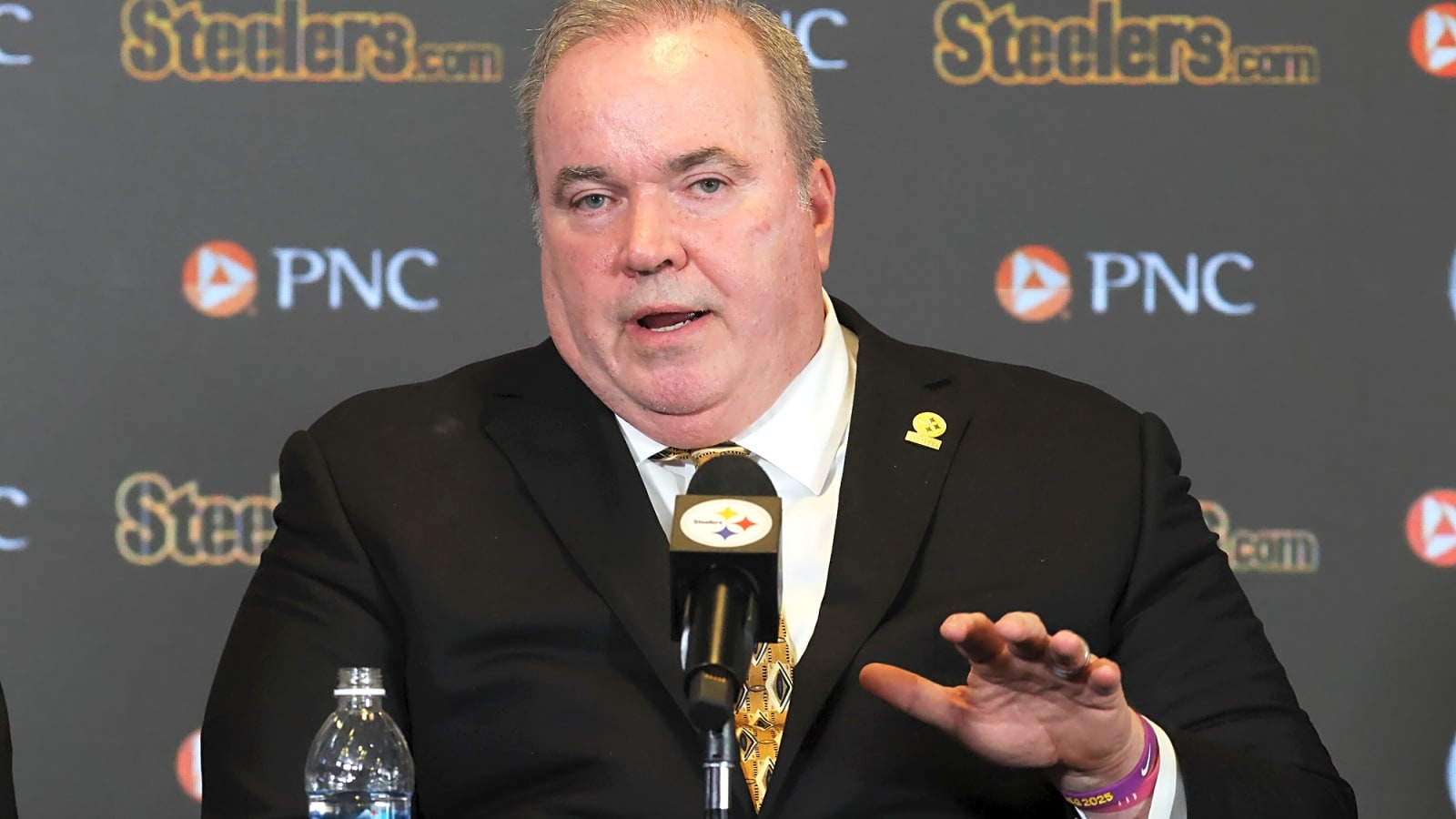
Mike McCarthy has established himself as one of the NFL’s most effective architects of wide receiver talent. Across his head-coaching stints with the Green Bay Packers (2006–2018) and Dallas Cowboys (2020–2024), he repeatedly drafted mid-round prospects and molded them into Pro Bowl-caliber producers through a precise West Coast offense that prioritizes timing, route nuance, quick separation, and contested-catch reliability. Can he transition past success into similar results with the Pittsburgh Steelers?
McCarthy’s past success
In Green Bay, McCarthy oversaw 19 wide receiver drafts – none in the first round, but four in the second. His ideal prototype averaged roughly 6’1″, 204 pounds, and a 4.48-second 40-yard dash: versatile, scheme-fit targets rather than pure speedsters or size outliers.
Greg Jennings (2006, second round) quickly became a reliable deep threat. Jordy Nelson (2008, second round) blossomed into Aaron Rodgers’ cornerstone, leading the league with 1,519 receiving yards in 2014 and starring in the 2011 MVP season and Super Bowl XLV run. Randall Cobb (2011, second round) developed into a dynamic slot weapon and return specialist with Pro Bowl production. Davante Adams (2014, second round) posted multiple 1,000-yard seasons and double-digit touchdowns under McCarthy before reaching All-Pro heights elsewhere. Complementary pieces like James Jones added consistent production in the high-powered attack.
With the Cowboys, McCarthy’s influence shone again through CeeDee Lamb (2020, first round). Lamb evolved into one of the league’s premier receivers, helping the offense rank top-five in yards and scoring during the 2023 season. McCarthy publicly labeled him “elite,” underscoring his ability to maximize first-round talent alongside the scheme’s emphasis on rhythm and precision.
Earlier stops—as offensive coordinator with the Saints (2000–2004) and 49ers (2005)—saw him elevate veterans like Joe Horn and Brandon Lloyd, though those successes involved established players rather than homegrown development. McCarthy’s pre-NFL work, including wide receivers coach at Pittsburgh, laid the foundation for his player-evaluation eye.
A new opportunity in Pittsburgh
Now, as the Steelers’ 17th head coach since his hiring on January 24, 2026, McCarthy returns to his Pittsburgh roots with a clear mandate: fix a position group long considered the roster’s glaring weakness.
The current wide receiver room, bolstered by aggressive 2025–2026 moves, features proven veterans D.K. Metcalf (acquired via trade from Seattle) and Michael Pittman Jr. (traded from Indianapolis in March 2026), alongside third-year Roman Wilson, Ben Skowronek, and depth pieces such as A.T. Perry, John Rhys Plumlee, Brandon Smith, Max Hurleman, and Cole Burgess.
While the 2025 season produced respectable numbers – Metcalf leading the group in yards and touchdowns -the unit lacked consistent explosiveness and depth, contributing to offensive inconsistency despite a 10-7 record.
McCarthy can elevate this group immediately by installing his trademark West Coast principles. Metcalf and Pittman’s size (both 6’4″, over 220 pounds) mirrors the contested-catch and red-zone prowess he unlocked in Nelson and Adams; expect more timing-based routes that create easy yards after catch and leverage their physicality against man coverage.
Wilson, at 5’11” and 185 pounds, profiles like a younger Randall Cobb -quick, slippery in the slot. McCarthy’s history with similar versatile threats suggests he can expand Wilson’s role with designed touches, screens, and motion, turning him into a reliable chain-mover and big-play threat.
Skowronek and the depth chart offer complementary pieces McCarthy can develop through fundamentals-focused practices, much as he did with Packers undrafted or late-round contributors. The scheme’s quarterback-friendly timing will also benefit whoever starts under center, creating rhythm that historically boosted McCarthy’s passing attacks to elite levels.
Adding via the Draft
McCarthy’s impact should extend directly to the 2026 NFL Draft, where the Steelers hold early picks and have already signaled strong interest in the wide receiver class.
At the Combine, the team conducted at least 14 formal interviews with WR prospects – the most of any position -indicating GM Omar Khan and McCarthy see multiple Day 1–3 fits. The draft class lacks a generational talent but offers depth in versatile, route-savvy players that align perfectly with McCarthy’s prototype.
Expect McCarthy to influence selections toward 6’1″-ish, 200-pound range athletes with strong 40 times and nuanced route trees – prospects like Carnell Tate (Ohio State), Makai Lemon (USC), Omar Cooper Jr. (Indiana), or Denzel Boston (Washington).
A first- or second-round addition could immediately slot as a WR3 competitor, providing the explosive element the room has missed. Analysts project the Steelers might double-dip at the position, mirroring Green Bay’s successful approach of layering multiple scheme fits rather than chasing one outlier.
This strategy addresses the longstanding depth issue while building sustainability. McCarthy’s play-calling background ensures drafted receivers will learn the system from Day 1, accelerating development in training camp and beyond.
McCarthy can construct success for Steelers
In just months since his hiring, McCarthy has already infused optimism into a franchise that values stability and homegrown success. By applying the same evaluation and developmental blueprint that produced Nelson, Adams, and Lamb, he can transform the Steelers’ wide receivers from a roster hole into a championship-caliber unit.
The 2026 season and draft will reveal whether Pittsburgh’s new offensive identity clicks as seamlessly as it did in Green Bay and Dallas, but history suggests McCarthy is the architect to make it happen.
More must-reads:
- Latest Vikings QB reunion another bad sign for J.J. McCarthy's future
- Penn State's Drew Allar sends message to teams ahead of NFL Draft
- The 'Active 100-catch NFL seasons' quiz
Breaking News
Trending News


Customize Your Newsletter
 +
+




Get the latest news and rumors, customized to your favorite sports and teams. Emailed daily. Always free!
PRIVACY POLICY COOKIE POLICY CONTACT US
ABOUT YARDBARKER TERMS OF SERVICE


By using this site, you agree to our Terms of Service and Privacy Policy.
This site is for entertainment purposes only.
There is no gambling offered on this site.
Gambling Problem? Call 1-800-Gambler.
