-

-


Follow Us
-

 On Facebook
 On Flipboard

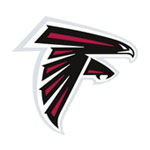
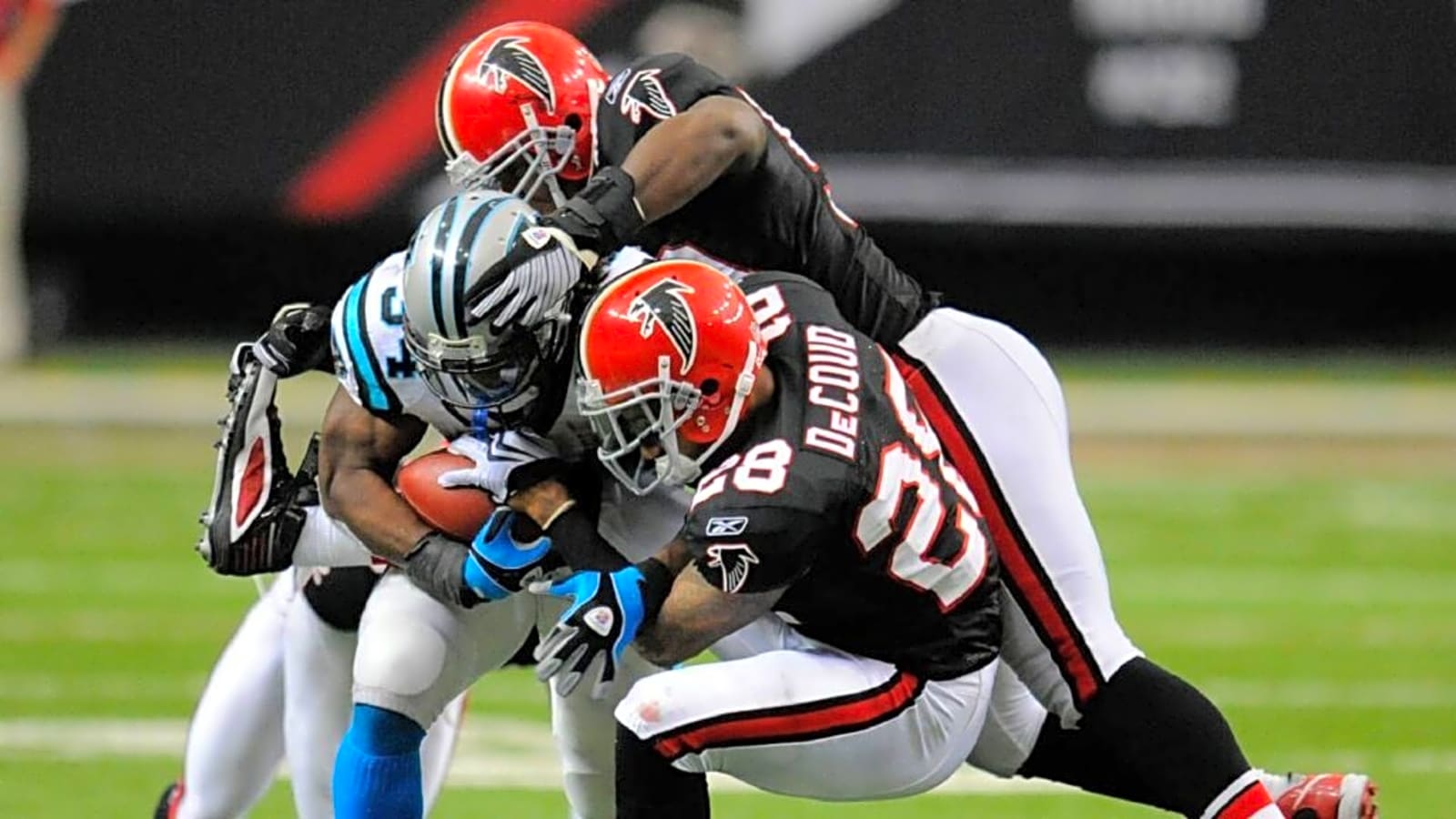
The Falcons logo blunder turned the Atlanta Falcons’ throwback imagery into a controversy over comparisons to Nazi-era iconography. Atlanta posted the graphic on October 21, 2026, then replaced its X profile picture with a red-helmet image on October 22. The New York Post reported the replacement after the backlash.
The Falcons’ profile-picture update placed an angular black falcon against vertical red, white, black, and gold stripes. Some viewers compared the presentation with Nazi-era German imagery. Similar comparisons followed an Atlanta profile-picture change in September 2024, making the earlier backlash central to the criticism.
The Falcons Logo Blunder Needs Accurate Context
The historical reference begins with the Falcons’ inaugural NFL season in 1966. According to the team’s helmet history, the original treatment featured a red shell, gray facemask, and black falcon crest outlined in white. A central black stripe bordered in white and gold completed the design.
The colors also carried a regional connection. Atlanta’s historical explanation links red and black to the University of Georgia, with white and gold representing Georgia Tech. The color scheme therefore reflected the Falcons’ football history and regional ties.
Atlanta is scheduled to wear 1966-inspired throwback uniforms against the San Francisco 49ers, providing relevant context for the timing. FOX 5 Atlanta reported that the team had not confirmed whether the profile-picture design was connected to that game. The same report noted that the Falcons had not announced a new official logo.
The 2024 Backlash Makes The Decision Harder To Defend
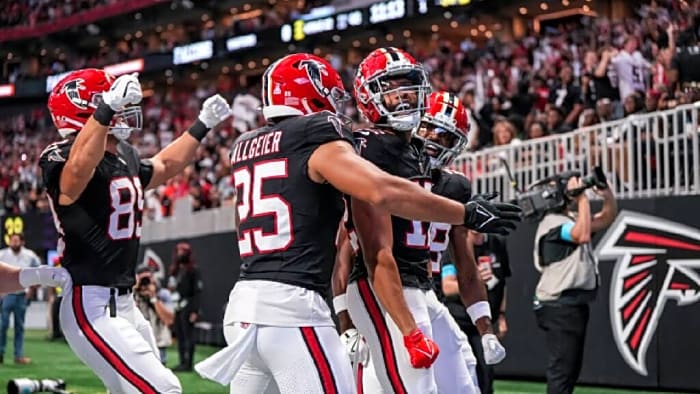
The Falcons logo blunder revisits a controversy documented two years earlier. FOX 5 Atlanta’s local reporting identified similar comparisons following the September 2024 image change. The precedent establishes an earlier public reaction, although it does not prove current decision-makers knew about it.
Creative Bloq’s September 28, 2024, coverage described Atlanta’s retro social-media promotion before its game against the New Orleans Saints. Responses included comparisons with Nazi insignia and references to 1940s Germany. The article also documented other interpretations and supporters who wanted the logo retained.
The 2024 and 2026 updates both presented a throwback falcon through social media. Available reporting does not establish that the graphics were identical. The recurring comparisons still gave the Falcons a reason to reconsider the presentation.
A Helmet Would Have Made The Reference Clearer
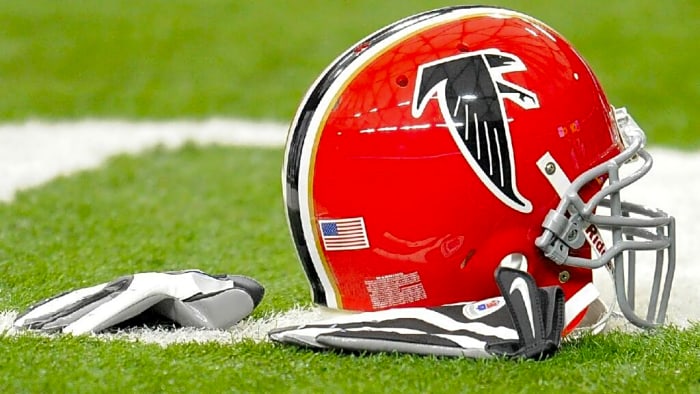
A helmet supplies sporting context through its shell, facemask, and placement of the crest. An isolated profile image reaches viewers who may lack the same knowledge of franchise history. Historical authenticity alone cannot establish whether a promotional treatment communicates effectively.
Atlanta marketers could have emphasized the complete helmet or paired the emblem with recognizable throwback uniforms. Either approach would have preserved the historical connection while making the football setting clearer. The reported switch to a red-helmet picture demonstrated that an alternative presentation was available.
The Backlash Does Not Prove Extremist Intent
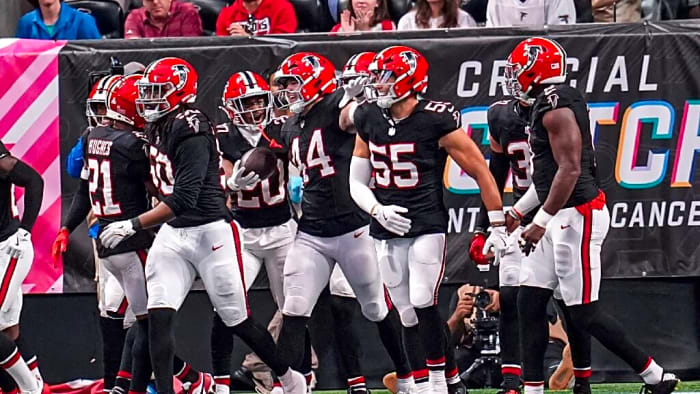
The Falcons’ officials deserve scrutiny for the promotional decision, not unsupported accusations about personal beliefs. Visual resemblance does not establish ideology. A disputed branding choice supplies no evidence of extremist sympathies.
Social-media reactions included “The Bird Reich,” according to local reporting. The nickname illustrates how ridicule competed with the historical reference. Online jokes alone cannot establish the breadth of public opposition or the organization’s intentions.
Nazi symbolism also carries consequences beyond ordinary rivalry humor. Historical atrocities should not become disposable material for football insults. Responsible criticism can examine Atlanta’s judgment without trivializing that history or inventing motives.
Changing The Picture Is Not An Explanation
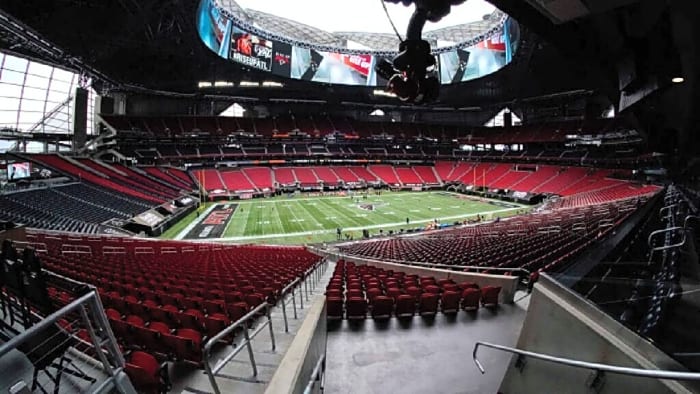
The Washington Post reported on October 22 that neither the Falcons nor the NFL had issued a public response at that stage. The reported profile-picture replacement should therefore be described as a change, rather than an apology or admission. An explanation would require an attributable statement addressing the decision.
End Of My Falcons Logo Blunder Rant
The Falcons logo blunder deserves criticism because a similar public reaction was already documented in 2024. Atlanta had a concrete reason to consider how the artwork would appear outside its historical setting. Falcons tradition deserves celebration without unnecessary distractions swallowing the message.
A complete helmet image could preserve the original emblem while making the football connection clearer. Better presentation would honor the same history without requiring supporters to explain the design. A throwback promotion should leave fans discussing the uniform, rather than defending the artwork.
More must-reads:
- Bears-Patriots 'TNF' takeaways: Caleb Williams outduels Drake Maye
- NFL Hall of Famer Marshall Faulk reveals Parkinson's diagnosis
- The 'Last 300-yard game by NFL team' quiz
Breaking News
Trending News



Customize Your Newsletter
 +
Get the latest news and rumors, customized to your favorite sports and teams. Emailed daily. Always free!
PRIVACY POLICY COOKIE POLICY CONTACT US
ABOUT YARDBARKER TERMS OF SERVICE


By using this site, you agree to our Terms of Service and Privacy Policy.
This site is for entertainment purposes only.
There is no gambling offered on this site.
Gambling Problem? Call 1-800-Gambler.