
-

-


Follow Us
-

 On Facebook
 On Flipboard


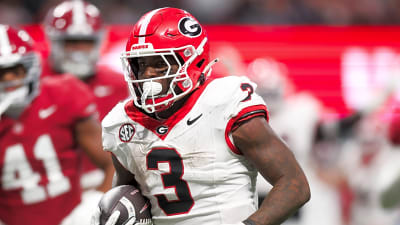
A 5-foot-8 running back from Concord, California, walked into UCLA’s spring game on May 2 with multiple Division I scholarship offers in his pocket. Arizona wanted him. SMU wanted him. Utah, Cal, and others had extended the invitation. By the next morning, Duece Jones-Drew had said no to every single one. He picked the program where his father once rewrote the record books. Same school. Same position. Same frame built to be doubted.
The Name That Changed Everything
Maurice Jones-Drew wasn’t just a UCLA running back. He was a unanimous All-American who set the NCAA single-season punt return record at 28.5 yards per attempt. He rushed for 8,167 career NFL yards, made three Pro Bowls, and led the league in rushing in 2011. He accumulated 4,688 all-purpose yards at UCLA alone. That’s the shadow Duece walks into. And the program he chose had been drifting for years before a new coach arrived months ago.
The Father’s Reluctance
Maurice’s public stance on his son’s recruitment carried an unexpected wrinkle. The elder Jones-Drew had spoken about wanting Duece to find his own path rather than inherit a pre-written one, and commentary around the family in the days before the decision reflected awareness that the UCLA route carried built-in pressure. The commitment therefore read less as inevitability and more as a son choosing, against some internal family caution, to step directly into the exact terrain his father already conquered. That voluntary weight is part of the story most readers miss.
A Program Everyone Had Written Off

The assumption was simple. UCLA couldn’t recruit anymore. Competing programs benefited from that perception. Then Bob Chesney showed up. Named head coach on December 5, 2025, Chesney became the first sitting FBS head coach UCLA had poached since Pepper Rodgers in 1971. His résumé spoke a different language. James Madison finished 12-2 in 2025 and earned a College Football Playoff berth. Within months, UCLA’s 2027 class climbed to fourth nationally. The myth cracked fast.
The Chesney Transplant Effect

Chesney did not arrive in Westwood alone. His transition from James Madison included assistants and multiple roster additions connected to the JMU program that went 12-2 and reached the College Football Playoff the previous season. That continuity matters because it imported a proven operating culture directly into a program that had been searching for identity. Recruits noticed the infrastructure arrived intact rather than assembled on the fly. Credibility transferred with the staff.
Twenty-Four Hours That Shattered the Old Story
Duece visited UCLA’s spring game on May 2. He committed May 3. One day. Multiple offers reduced to one school. The proven pathway structure was exact. Same institution, same position, same 5-foot-8 frame his father carried to All-American status. Maurice validated that undersized running backs can dominate at the FBS level. Duece inherited both the genetic constraint and the proof it can be beaten. His pledge marked the program’s seventh addition in the 2027 class since April 30.
The Position Coach Who Closed the Deal

The recruitment was not sold on legacy alone. Reporting on the commitment emphasized the relationship between Duece and UCLA’s running backs coach as a central factor in the decision, a staff connection that anchored the visit and converted it into a pledge inside 24 hours. That detail reframes the narrative. The family name opened the door, but a position coach closed the room. In the modern portal era, that kind of one-on-one trust has become the deciding variable more often than facilities or brand.
Same Blueprint, Different Weapon

Here’s where the parallel bends. Maurice’s dominance was multi-dimensional, built on rushing, receiving, and a punt return average that still holds the NCAA record. Duece’s junior season, by contrast, has been built almost entirely on rushing production, with no return game numbers on his recruiting record. The father built his legend across three skill sets. The son appears locked into one. Same school, same position, same frame, but the weapon has narrowed. That divergence will define whether legacy becomes advantage or anchor.
The Numbers Behind the Surge
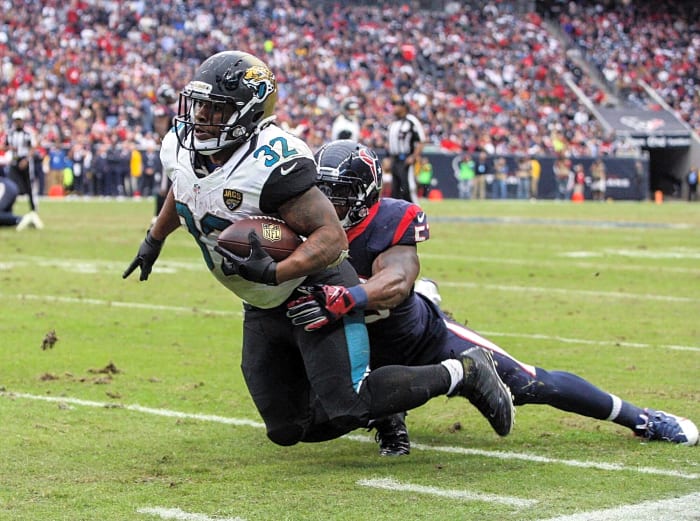
UCLA’s 2027 recruiting class now sits among the top groups nationally under Chesney. Duece is a three-star prospect. His father was a second-round NFL draft pick. That contrast matters. Maurice’s elite pedigree produced a son rated below the program’s average recent recruit. Yet Duece’s commitment added a legacy name to a class already gaining momentum. The legacy name functioned as a credibility signal for every prospect watching.
From a Cold Class to a Top Five Class

The reset is measurable. UCLA’s recent recruiting output under the previous staff trailed the national pack, and the current 2027 cycle has already broken into the top five nationally within five months of Chesney’s hire. That kind of vertical movement in one offseason is rare at any program, let alone one that had been publicly written off. The turnaround shifted the conversation from survival to trajectory.
The Four Star Wave Behind the Legacy Commit
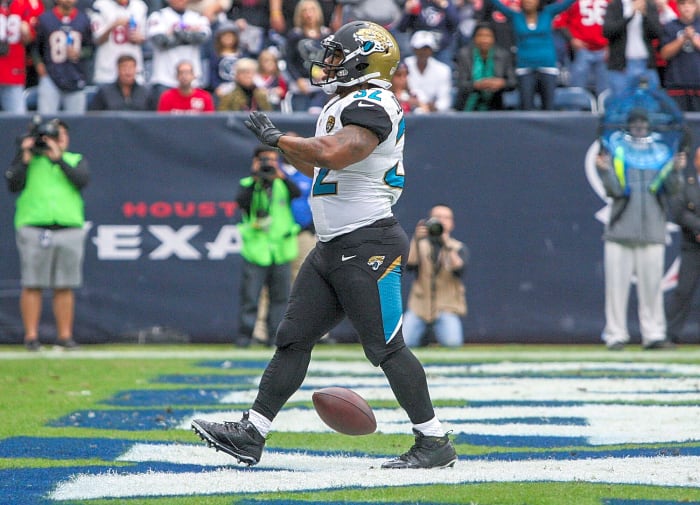
Duece is the legacy headline, but he is not the ceiling of the class. UCLA’s 2027 group has stacked multiple four-star pledges around him, giving the class real depth rather than a single marquee name. That balance is what distinguishes a true top-five class from a ranking inflated by one recruit. The legacy commitment now sits inside a cohort rather than above it.
Who Loses When UCLA Rises

Arizona, Cal, SMU, and Utah all pursued Duece. They lost. But the ripple runs deeper. UCLA’s recruiting acceleration pulls top talent away from programs that assumed the Bruins were no longer competitive. Chesney transformed perception in months, and that perception shift compounds. Recruits attract recruits. UCLA’s competitive window now opens around 2028-2029 as this class matures. Other mid-major coaches will become FBS hiring targets because Chesney’s model is working. The coaching market just repriced overnight.
The Rule That Replaced the Exception

Program transformation speed used to be measured in seasons. Chesney measured it in months. Named in December, a top-tier class by May. Spring games now function as live recruitment conversion tools. Duece walked in as a visitor and walked out as a commit within 24 hours. Legacy recruitment, once a sentimental footnote, now signals institutional stability in a portal era defined by chaos. De La Salle High School sent Maurice to UCLA in the early 2000s and Duece is set to follow in 2027. Once you see that pipeline, you see the system.
The Weight Duece Carries Forward
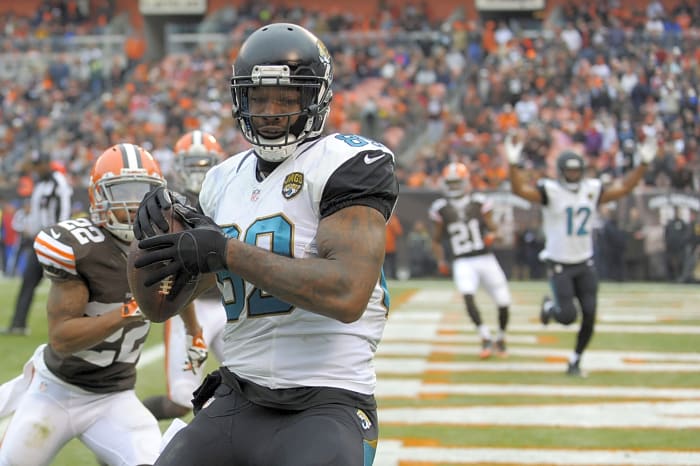
Maurice was the first UCLA player since Jackie Robinson to lead the nation in punt returning. That’s the historical tier Duece’s last name occupies. If Duece succeeds, Chesney’s brand explodes and portal transfers follow. If he underperforms, the father’s shadow becomes the story. Maurice now watches from an NFL analyst’s chair, elevated platform, zero control. The son starts from base zero despite a name that echoes through Westwood. Chesney’s momentum could attract poaching attempts from bigger programs within two years.
The USC Shadow Across Town

Rankings context sharpens the stakes. UCLA’s 2027 class has climbed into the top five nationally while crosstown USC also sits near the top of the Big Ten pecking order. For the first time in years the Bruins are recruiting on comparable footing with their rival rather than chasing a widening gap. That proximity alone reframes the LA college football conversation heading into the next cycle.
What Most People Still Don’t See

Coaching success in modern college football isn’t measured by wins anymore. It’s measured by how fast you can stack a recruiting class after your hiring press conference. Chesney proved the model. Mid-major credibility transfers directly into major-program recruiting velocity. Legacy commits validate new regimes. Spring games collapse 12-month recruitment timelines into 24-hour decisions. Every program watching UCLA right now is hunting for its own Chesney. And Duece, the three-star son of a legend, just became the proof that the old recruiting hierarchy can break in a single cycle.
Is Duece walking into his father’s legacy the smartest move in college football right now, or the heaviest weight a three-star recruit has ever chosen to carry? Tell us where you land in the comments.
Sources:
Lederman, Eli. “RB Duece Jones-Drew, son of former NFL All-Pro, commits to UCLA.” ESPN, May 3, 2026.
Bergman, Jeremy. “Deuce Jones-Drew, Maurice’s son, commits to UCLA.” NBC Sports, May 4, 2026.
Dubin, Jared. “Duece Jones-Drew commits to UCLA: Son of Maurice Jones-Drew follows father’s path to Westwood.” CBS Sports, May 3, 2026.
Huffman, Brandon. “UCLA adds legacy commit RB Duece Jones-Drew, carries on family torch.” 247Sports, May 3, 2026.
UCLA Athletics. “Bob Chesney Named Head Coach of UCLA Football.” UCLA Athletics, Dec. 5, 2025.
Schad, Joe. “Like father, like son: Duece Jones-Drew commits to UCLA in ‘full-circle moment.'” New York Post, May 4, 2026.
More must-reads:
- Patriots have reportedly made massive Mike Vrabel decision amid Dianna Russini controversy
- New OC Frank Reich makes stunning claim about Jets' ineptitude
- The 'NBA scoring champions' quiz
Breaking News
Trending News




Customize Your Newsletter
 +
+




Get the latest news and rumors, customized to your favorite sports and teams. Emailed daily. Always free!
PRIVACY POLICY COOKIE POLICY CONTACT US
ABOUT YARDBARKER TERMS OF SERVICE


By using this site, you agree to our Terms of Service and Privacy Policy.
This site is for entertainment purposes only.
There is no gambling offered on this site.
Gambling Problem? Call 1-800-Gambler.
