
-

-


Follow Us
-

 On Facebook
 On Flipboard

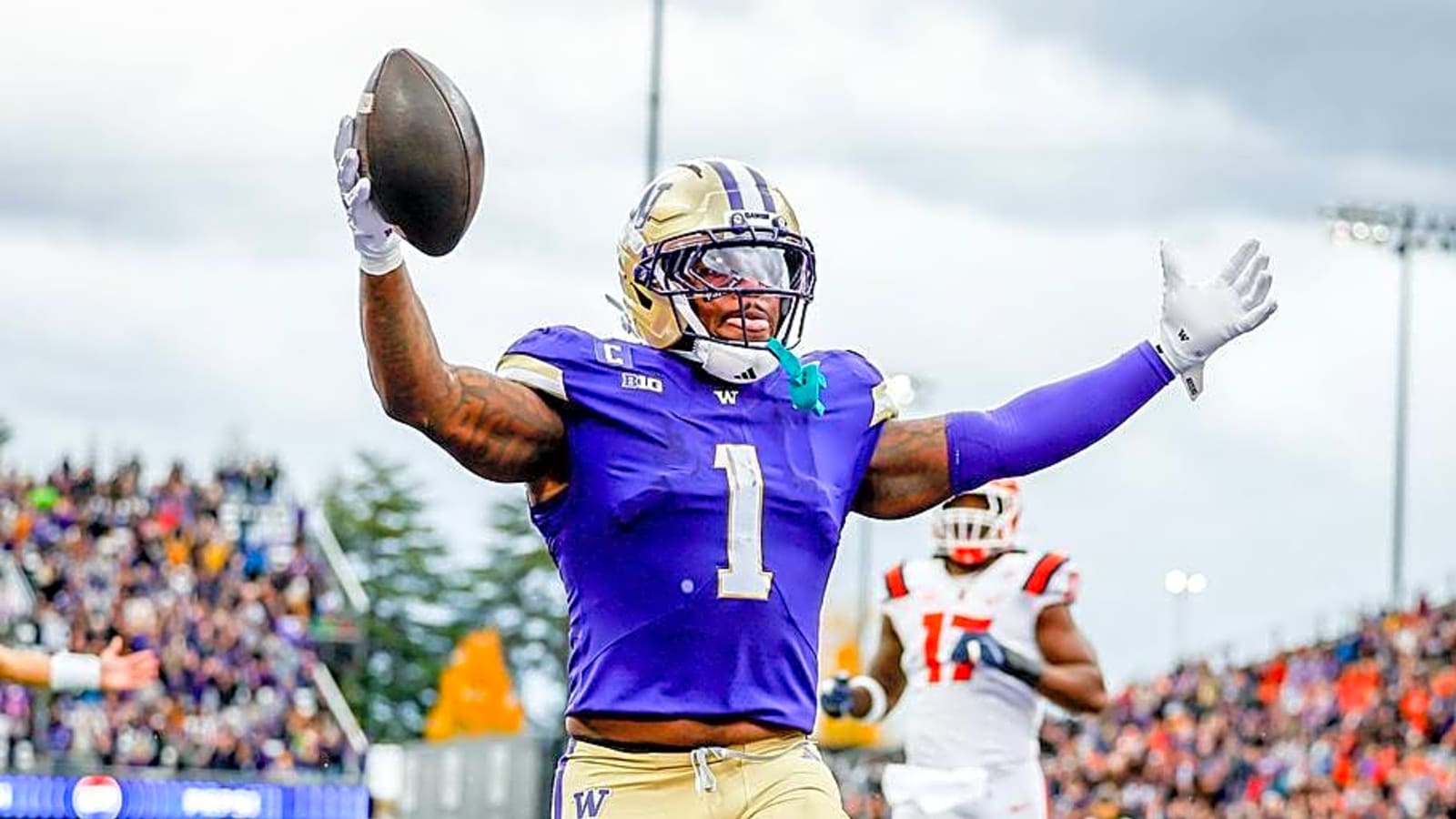
There's been a lot of buzz surrounding the Denver Broncos' selection of running back Jonah Coleman in April's draft. With J.K. Dobbins re-signed and RJ Harvey entering Year 2, the Broncos needed a third back in the rotation who is an upgrade over Tyler Badie and Jaleel McLaughlin.
The offense also needed an infusion of power, especially if Dobbins goes down with an injury again. However, there's a major concern for the Broncos with Coleman joining the backfield, and it doesn’t really have much to do with him.
The issue the Broncos face will come down to snap and touch share with Dobbins and Harvey, and making a "three-headed monster" rushing attack work. It's doable and has been done before, but there's a reason teams mainly run a two-back attack, with a third in the stable for a small handful of snaps per game.
Snap Share
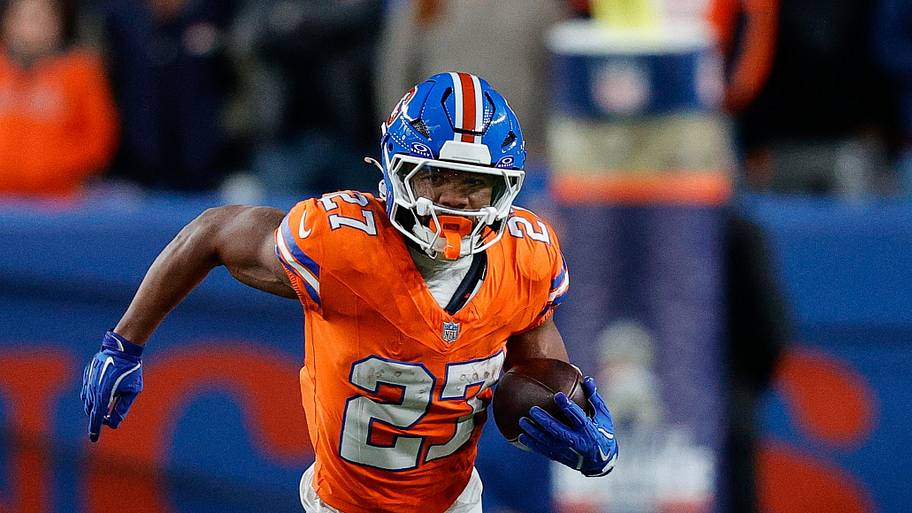
Looking at the snap share prior to Dobbins getting hurt last season, the Broncos had him averaging 34.1 snaps per game, with Harvey at 19.4, and Badie at 11.6. Badie had a very specific role, and on his 116 snaps over that 10-game span, he had two carries and 17 targets. His role was as a blocker, not really a big part of the offense.
Now, with Dobbins, even though he averaged 34.1 snaps per game, he only averaged 16.4 touches per game, with his effectiveness being right in that 15-18 range. So, the Broncos can cut into Dobbins's snaps, but that doesn’t mean more touches will trickle down to Harvey and Coleman.
When it comes to Harvey, the Broncos want to get more out of him as a runner, but as a rookie, he was effective as a receiver, making him a threat on third down moving forward. If he can develop as a blocker, as he showed late last season, his effectiveness as a third-down back will only increase.
Coleman also has that pass protection and receiving ability. He's a threat on third down, but he isn’t as dangerous a receiving threat as Harvey is, so you don’t want to take away too many opportunities from Harvey there to give them to the rookie.
However, Coleman can take those Badie snaps on third down. But the Broncos will still want to get a little more out of the rookie.
Now, the Broncos only ran the ball 41.7% of the time, calling passing plays on the other 58.3%, averaging about 27 rushes per game. With Dobbins taking 15-18 of them, that only leaves 9-12 runs open for Harvey and Coleman.
So, the receiving split would be the difference, as most three-headed attacks go about 15-18 touches for the top back and 8-12 per game for the other two backs, when that approach is most effective.
The Takeaway
The concern for the Broncos is finding a way to properly feed that three-headed attack while also sticking with the hot hand. You don’t want to take the ball out of the hands of the back having a great game, or set of games, and give it to one who is struggling.
Sean Payton has used three-headed attacks before, so if anyone can figure it out, it's him. But he isn’t the play-caller anymore, and Davis Webb is a first-time offensive coordinator and play-caller, and he has to find that balance to not only maximize Coleman's usage, but that of all three backs.
It’s great to have Coleman in the fold, but this is a major concern. We won't start getting answers until the season starts.
More must-reads:
- Giants have an obvious trade replacement for Jaxson Dart
- Bears may have to make stunning QB move after Tyson Bagent, Caleb Williams updates
- The 'Most 300-yard, 3-TD NFL games' quiz
Breaking News
Trending News




Customize Your Newsletter
 +
+




Get the latest news and rumors, customized to your favorite sports and teams. Emailed daily. Always free!
PRIVACY POLICY COOKIE POLICY CONTACT US
ABOUT YARDBARKER TERMS OF SERVICE


By using this site, you agree to our Terms of Service and Privacy Policy.
This site is for entertainment purposes only.
There is no gambling offered on this site.
Gambling Problem? Call 1-800-Gambler.
