
-

-


Follow Us
-

 On Facebook
 On Flipboard

Somewhere inside the Patriots’ rookie minicamp facility, a safety from Hawaii stood on a field he had no contractual right to occupy. Peter Manuma arrived as a tryout body. One of 17 prospects invited to audition without a deal, without a guarantee, without so much as a locker with his name on it. Three days later, New England handed him a contract. The Patriots had just spent seven rounds of the 2026 NFL Draft selecting zero safeties. Then they found one on a tryout field, and the cost of filling that hole tells you everything about where this franchise is headed.
The Gaps They Built on Purpose
This safety vacancy didn’t appear by accident. The Patriots traded Kyle Dugger to Pittsburgh and shipped defensive lineman Keion White to San Francisco. They released veteran outside linebacker Anfernee Jennings, saving roughly $3.8 million against the cap. Linebacker and safety both climbed the team’s list of roster needs heading into the offseason. New England entered May with significant salary cap room, enough to sign multiple veteran starters at market rates. Instead, they signed minimum-salary rookies nobody else drafted, and that choice carried a philosophy louder than any press conference.
The Transfer That Backfired

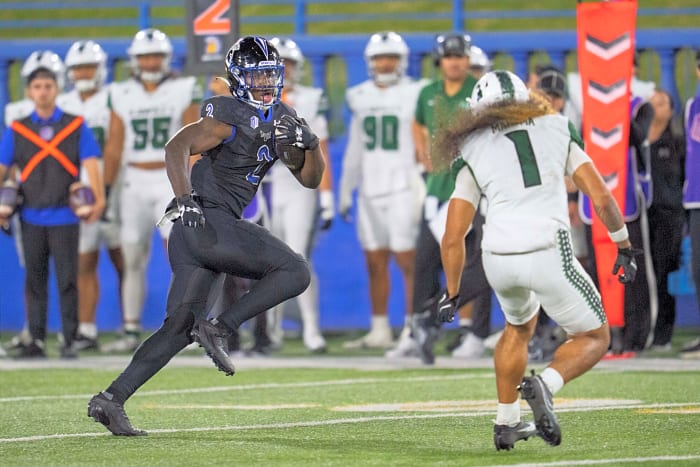
Xavier Holmes did everything right. He transferred from Maine to James Madison specifically to boost his draft stock, moving up to a Sun Belt program in the FBS. In his 2025 senior season, he recorded 7.5 tackles for loss, 6.0 sacks, an interception, a fumble recovery, and four pass breakups. That production would flatter most drafted defenders. Holmes went undrafted anyway. The strategic move designed to guarantee his selection failed on draft day. But the Patriots were watching, and what happened next made the draft look like the wrong measuring stick entirely.
Draft Capital Meets the Real World
Seventh-round pick Quintayvious Hutchins suffered an injury during rookie minicamp. Immediately, Holmes filled the competition window. An undrafted edge rusher with 6.0 sacks now competes directly against a drafted peer for the same roster spot. Hutchins’ draft pedigree offered zero protection. The injury wasn’t his fault. The organizational response wasn’t personal. But the result is brutal: draft position provided a contract, not a roster guarantee. Holmes signed a three-year minimum-salary deal. Hutchins signed a seventh-round contract. Both compete for one spot this August.
The Cap Flexibility They Refuse to Spend

Here is where the hidden machinery becomes visible. The Patriots hold meaningful cap flexibility for 2026. They could sign veteran safeties. They could replace Dugger with a proven starter. Instead, they signed Manuma at the league-mandated UDFA minimum of $885,000 per year. Holmes costs roughly the same. Combined, their three-year deals total approximately $2.9 to $3 million. That is less than Jennings’ single-year cap hit before his release. The Patriots are replacing established defenders with rookies at a fraction of the cost, and banking the difference.
Manuma’s Three-Day Audition
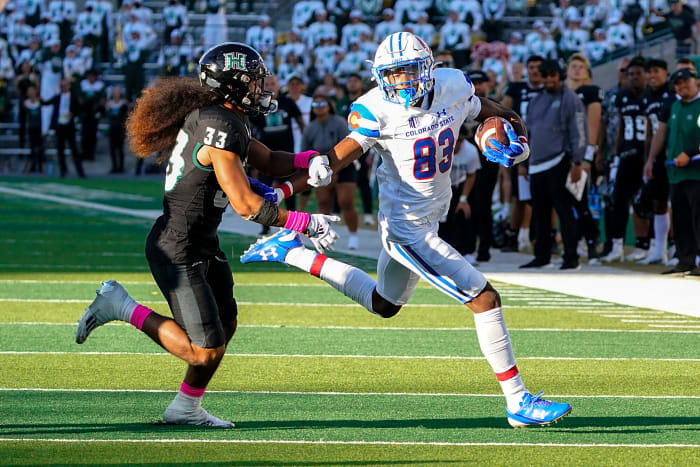
Manuma started as a prospect to watch at Hawaii’s pro day, measuring 6-foot-0 and 205 pounds. He earned a minicamp tryout invitation. No contract. No promise. He showed up, competed against signed rookies and fellow tryout players for three days, and walked out with a deal. That arc, from unsigned tryout body to contracted NFL safety, happened in the span of a single minicamp. The Patriots didn’t need draft capital to find him. They needed a stopwatch, a weekend, and a roster hole they built themselves.
Who Loses When the System Shifts

The ripple effect runs deeper than one roster spot. Veteran free agents who expected to fill the Dugger and Jennings vacancies at market rates now watch minimum-salary rookies occupy those competition lanes. Other injured or underperforming draft picks across the roster face the same math: if an undrafted player produces at a fraction of the cost, the organization has no financial incentive to protect draft investment. Roughly $3.8 million freed from the Jennings release alone could fund several UDFA contracts. The economics tilt the entire depth chart toward youth.
The New Rule, Not the Exception

This pattern repeats too cleanly to be coincidence. Release the veteran. Trade the starter. Sign the undrafted rookie. Preserve the cap. The Patriots have a history of scouting outside Power-5 conferences, finding production where other teams stop looking. James Madison plays in the Sun Belt as a relatively recent FBS program. Hawaii is a football-only member of the Mountain West. Neither school sends waves of players to the NFL. Once you recognize the cycle, every future transaction becomes predictable: clear salary, fill with minimum-cost youth, stockpile flexibility for a move nobody sees coming. That cap room isn’t sitting idle. It is loaded ammunition.
August Is the Only Court That Matters

Training camp opens in weeks. Ninety-plus players will compete for 53 roster spots, and the Patriots have deliberately stacked the competition with cheap, hungry alternatives to their own draft picks. Hutchins needs to recover from his minicamp injury and outperform Holmes before cut day. Manuma needs to prove his speed and versatility translate against NFL-caliber receivers. If either fails, the organization moves on without financial regret. The UDFA contract structure exists precisely for this: low risk, high optionality, zero sentimentality about where a player was selected.
The Bet Most Fans Haven’t Noticed

Most people see two undrafted signings and scroll past. The real story is an organization that fell short in the Super Bowl after the 2025 season and responded by gutting veteran salary, hoarding cap space, and replacing proven starters with minimum-cost rookies who have to earn everything. If Holmes and Manuma stick, other teams will copy the model by 2027. If they fail, the Patriots still have meaningful cap room to pivot. Either way, the franchise bet that production and organizational strategy matter more than draft pedigree, and August will deliver the verdict. Are the Patriots playing 4D chess with this UDFA strategy, or punting on a Super Bowl window? Drop your prediction for Holmes and Manuma’s roster odds in the comments.
More must-reads:
- Cameron Heyward seems to confirm Aaron Rodgers has made Steelers decision
- NFL executive hits back at Donald Trump's viral complaint
- The 'NFL's active 1K-rushers' quiz
Breaking News
Trending News




Customize Your Newsletter
 +
+




Get the latest news and rumors, customized to your favorite sports and teams. Emailed daily. Always free!
PRIVACY POLICY COOKIE POLICY CONTACT US
ABOUT YARDBARKER TERMS OF SERVICE


By using this site, you agree to our Terms of Service and Privacy Policy.
This site is for entertainment purposes only.
There is no gambling offered on this site.
Gambling Problem? Call 1-800-Gambler.
