
-

-


Follow Us
-

 On Facebook
 On Flipboard

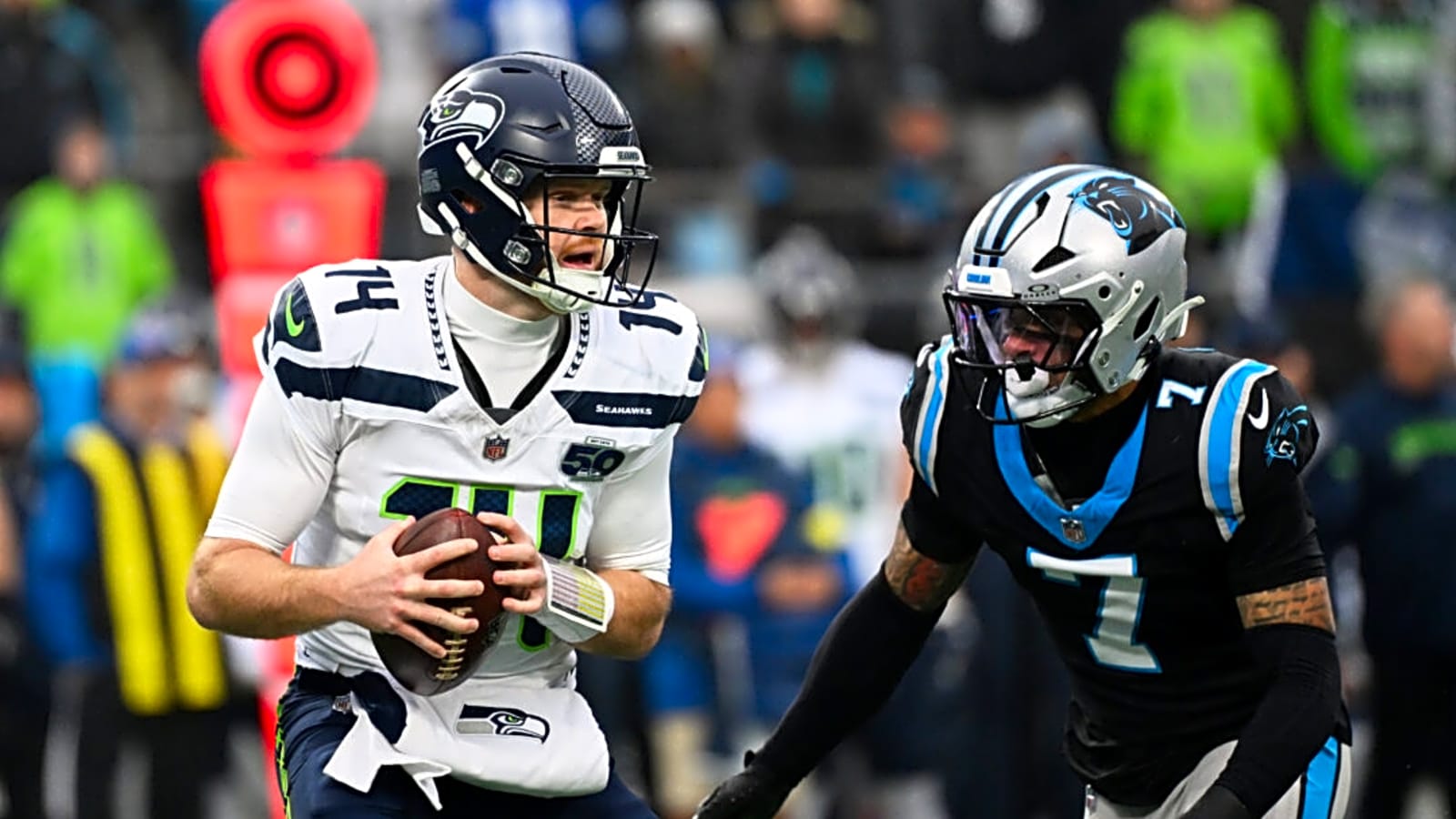
The confetti from Super Bowl LX had barely settled — a 29–13 loss to the Seattle Seahawks — when a different set of images started circulating. Not game film. Not celebration shots. Photos from an adults-only luxury resort in Sedona, showing New England Patriots head coach Mike Vrabel alongside NFL reporter Dianna Russini in a pool and hot tub area. Holding hands. Hugging. Lounging together at a place far from any football facility. The man who had just coached the Patriots to a Super Bowl appearance had a new headline attached to his name.
The Photos That Changed the Conversation
The New York Post’s Page Six obtained the resort images and approached Russini before publishing. What followed was a cascade. Multiple outlets picked up the story. The pictures showed Vrabel and Russini — both of whom are married — in what several reports described as intimate-seeming interactions at the Sedona resort’s hot tub and pool area. For a head coach leading one of the NFL’s most scrutinized franchises, the optics alone carried weight. Russini, a respected NFL reporter at The Athletic, suddenly faced questions about her professional coverage of the Patriots and their coach.
A Reporter’s Career Unravels

Russini resigned from The Athletic after the published photos prompted an internal investigation into her coverage and the nature of her relationship with Vrabel. That detail alone should reframe how people think about this story. A journalist lost her position. An investigation launched. And the coach at the center of it all chose a single word to describe the entire controversy. Most people assumed Vrabel would tread carefully given the professional fallout already spreading around him. He did the opposite. His response landed like a match on gasoline.
One Word That Backfired

Vrabel’s statement read: “These photos show a completely innocent interaction and any suggestion otherwise is laughable.” By labeling the accusations drawn from the photos as “laughable,” he effectively cast the images themselves as unworthy of serious concern. A reporter had already resigned. An investigation had already opened. Crisis communications experts called his dismissive tone a textbook misstep. “That’s not how you handle this,” one stated. The bravado wasn’t strength. It was fuel. Every outlet that might have moved on now had a second story to tell.
The Dismissal Machine

Here is the mechanism nobody talks about. When a powerful figure calls a scandal “laughable,” the story splits in two. The original controversy becomes secondary. The dismissal becomes the new headline. PR professionals noted that Vrabel’s flippant tone risked being perceived as dismissive of legitimate concerns about the photos’ circulation. Think of a CEO responding to a leaked email by calling the whole thing ridiculous. Journalists don’t move on. They lean in harder. Vrabel handed every commentator permission to escalate, and they took it.
The Numbers Behind the Noise

Consider the contrast. One set of resort photos generated coverage across Fox News, ESPN, ABC7, the New York Post, OutKick, and dozens of commentary shows. Russini’s resignation from The Athletic followed. An internal investigation opened at her publication. Vrabel later stepped back from a portion of the team’s offseason to begin counseling. All from pictures taken at a Sedona pool. The gap between “completely innocent interaction” and a head coach publicly conceding his actions “don’t meet the standard I hold myself to” tells the entire story of how badly the “laughable” strategy failed to contain anything.
Collateral Damage Spreads

The fallout extended well beyond two people at a resort. The Patriots organization faced questions about leadership stability just weeks after reaching the Super Bowl. Every reporter covering the team had to navigate new dynamics around access and credibility. Russini’s departure from The Athletic sent a chill through sports journalism about the professional risks of proximity to sources. One coach’s decision to scoff at a scandal instead of addressing it soberly turned a photo leak into a franchise-wide distraction at a sensitive moment of the offseason.
The Rule Nobody Wrote Down

Once you see the pattern, you cannot unsee it. Every public figure who calls a photo scandal “laughable” or “ridiculous” extends its lifespan. The dismissal becomes the quote that runs in every chyron. Vrabel had just led the Patriots to a Super Bowl appearance. Instead of that being the story, the conversation shifted to judgment and accountability. That is the new precedent: in an era of social media scrutiny, a flippant response to intimate photos doesn’t kill the story. It becomes the story.
A Step Back Says Everything
Vrabel stepped away from part of the team’s offseason — skipping the final day of the NFL Draft — to begin counseling with his family. Read that again. The man who first called the entire controversy “laughable” later acknowledged “difficult conversations” with people he cares about and committed to seeking help. That arc, from public bravado to private reckoning, tells you a great deal about how the dismissal strategy collapsed. Crisis experts had warned that brushing off concerns would amplify them. Vrabel’s decision to take time for counseling proved them right in the most personal way possible.
What Most People Still Miss

The photos never proved wrongdoing. No outlet produced evidence of anything beyond what the images showed, and both Vrabel and Russini said they were part of a larger group at the hotel. Vrabel may have been telling the truth about an innocent interaction. That is precisely what makes this story so instructive. Being right about the facts and wrong about the tone cost a reporter her job, a coach his composure, and a franchise a stretch of its offseason focus. The next NFL figure facing leaked photos will study this mess closely. Whether they learn from it depends on something Vrabel’s “laughable” response proved nobody can fake: self-awareness under fire.
More must-reads:
- Browns have reportedly made huge Shedeur Sanders decision amid Deshaun Watson concerns
- Derek Carr reveals what it will take for him to return to NFL
- The 'Most three-pointers by NBA team' quiz
Breaking News
Trending News


Customize Your Newsletter
 +
+




Get the latest news and rumors, customized to your favorite sports and teams. Emailed daily. Always free!
PRIVACY POLICY COOKIE POLICY CONTACT US
ABOUT YARDBARKER TERMS OF SERVICE


By using this site, you agree to our Terms of Service and Privacy Policy.
This site is for entertainment purposes only.
There is no gambling offered on this site.
Gambling Problem? Call 1-800-Gambler.
