
-

-


Follow Us
-

 On Facebook
 On Flipboard

Should the Miami Dolphins Trade for Shedeur Sanders?
The Miami Dolphins are winless through four games of the 2026 NFL season, and while several areas of the roster need improvement, no position will generate more discussion over the coming months than quarterback.
Malik Willis has shown flashes of potential, but Miami’s offense has struggled to consistently score points, finish drives, and generate explosive plays. With the Dolphins potentially holding one of the top selections in the 2027 NFL Draft, conversations will undoubtedly center on whether the franchise should invest another premium pick in a quarterback.
But what if there were another option?
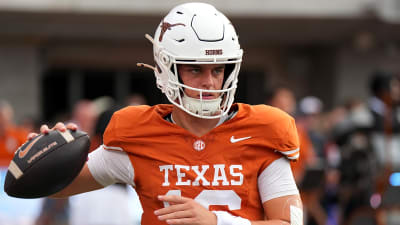
One name that could generate considerable debate among Dolphins fans is Cleveland Browns quarterback Shedeur Sanders.
The former Colorado star entered the NFL with plenty of attention, but his professional career has been anything but conventional.
Could Sanders benefit from a fresh start in Miami? More importantly, should Dolphins general manager Jon-Eric Sullivan consider making a trade for the young quarterback?
It’s an intriguing possibility, especially for a rebuilding franchise that needs to explore every avenue to find its long-term answer at the most important position in football.
Why Shedeur Sanders Could Be Available
The possibility of Sanders being traded is more than just speculation about a player buried on another team’s depth chart.
According to an October 5 report discussing comments from ESPN’s Jeremy Fowler, Cleveland could be receptive to moving Sanders or fellow quarterback Dillon Gabriel if the right offer comes along.
The Browns entered Week 5 with a 3-1 record, and Deshaun Watson was established as their starting quarterback. They also have rookie Taylen Green on the roster, giving Cleveland multiple young quarterbacks behind Watson.
However, there is an important distinction between listening to offers and actively shopping a player.
Browns reporter Mary Kay Cabot has reported that Cleveland currently has no plans to trade Sanders or Gabriel. She reiterated that position on October 5, while acknowledging that an overwhelming offer could potentially change the team’s thinking.
So while Sanders is not officially on the trade block, enough discussion around Cleveland’s quarterback situation makes his future worth monitoring.
For the Dolphins, the question is whether Sanders represents an opportunity to acquire a talented young quarterback at a relatively low price.
What Has Shedeur Sanders Shown in the NFL?
Sanders arrived in Cleveland as a fifth-round selection in the 2025 NFL Draft after an outstanding college career at Jackson State and Colorado.
During his final season at Colorado, Sanders threw for 4,134 yards, 37 touchdowns, and 10 interceptions while completing 74% of his passes.
He demonstrated accuracy, toughness, and the ability to make throws from the pocket. However, concerns about his tendency to hold the football too long, take unnecessary sacks, and operate under pressure followed him into the NFL.
His rookie season with Cleveland was a mixed bag.
SHEDEUR SANDERS — 2025 ROOKIE SEASON
1,400
Passing yards
7
Passing TDs
10
Interceptions
56.6%
Completion rate. Eight games played.
Those numbers certainly don’t scream franchise quarterback.
Sanders struggled with consistency and turnovers, and he didn’t do enough to establish himself as Cleveland’s unquestioned quarterback of the future.
However, eight games are hardly enough to determine whether a young quarterback can develop into a quality NFL starter.
The Dolphins would have to decide whether Sanders’ problems are correctable or whether the same issues would follow him to Miami.
Why Trading for Sanders Could Make Sense for Miami
The biggest argument in favor of acquiring Sanders is simple: The Dolphins need to keep searching until they find their franchise quarterback.
Malik Willis is getting his opportunity to prove he can lead this offense, and it would be premature to make a final judgment on him after only four games.
But Sullivan also cannot ignore potential opportunities to improve the quarterback room.
Sanders is just 24 years old and remains on an inexpensive rookie contract. Miami wouldn’t be taking on the financial burden associated with acquiring an established veteran quarterback.
There would also be no requirement to immediately make Sanders the starter.
Miami could allow Willis to finish the season while Sanders learns the offense and works with the coaching staff. The Dolphins could then evaluate both quarterbacks heading into the offseason.
That would give Miami another young player to develop without necessarily making a long-term commitment.
And if Sanders doesn’t develop into a starting-caliber quarterback, the Dolphins could move on without a significant financial investment.
The potential downside would largely depend on what Miami had to surrender to acquire him.
What Would the Dolphins Have to Give Up?
This is where Sullivan would need to be careful.
Cleveland selected Sanders with the 144th overall pick in the 2025 NFL Draft. Considering his limited NFL success, it would be difficult to justify giving up premium draft capital to acquire him.
A hypothetical trade might look something like this:
HYPOTHETICAL TRADE PROPOSAL — NOT REPORTED
Miami receives
Shedeur Sanders, QB
Cleveland receives
2027 6th-round pick
Illustrative proposal only; not an established market valuation or confirmed Cleveland asking price.
Would Cleveland accept that offer? Maybe not.
But if the Browns are looking to clear space in their quarterback room, a Day 3 draft pick could at least start a conversation.
Miami should not surrender a second- or third-round selection for a quarterback who has yet to establish himself as a reliable NFL starter.
Even a fourth-round pick would be a difficult decision for a team with as many needs as the Dolphins.
However, a sixth-round selection would represent a relatively modest investment in a player who still possesses some intriguing physical and technical abilities.
Would Sanders Be Better Than Malik Willis?
That is a question Dolphins fans would undoubtedly debate.
Willis offers a different skill set from Sanders.
He is a more dangerous runner, can extend plays with his legs, and gives defenses another element to account for when defending Miami’s offense.
Sanders is more of a traditional pocket passer who relies on timing, accuracy, and his ability to read defenses.
Both quarterbacks have strengths, but both also have significant questions surrounding their long-term potential.
There is no clear evidence that Sanders would immediately be an upgrade over Willis.
In fact, bringing Sanders to Miami with the expectation that he would instantly fix the Dolphins’ offense would be unrealistic.
The Dolphins have problems that go beyond quarterback play, including offensive consistency, protection, and the development of their young receivers.
Simply changing quarterbacks won’t solve all of those issues.
However, adding Sanders would create another opportunity to evaluate a young passer before Miami potentially invests a high draft selection in the position.
What About the 2027 NFL Draft?
This is perhaps the biggest reason Miami should be cautious.
With the Dolphins sitting at 0-4, there is a realistic possibility they will be selecting near the top of the 2027 NFL Draft.
If Sullivan and the front office identify a quarterback they believe can become a franchise cornerstone, that player should remain a priority.
Trading for Sanders should not prevent Miami from drafting a quarterback next April.
In fact, the best argument for acquiring Sanders would be that the Dolphins could evaluate him while maintaining their flexibility in the draft.
If Sanders develops into a legitimate starting option, Miami would have additional choices.
If he struggles, the Dolphins could still pursue a quarterback in the first round.
The danger would come if Miami overvalued Sanders and allowed his presence on the roster to influence its evaluation of the 2027 quarterback class.
That would be a mistake.
The Dolphins need to find the right quarterback, not simply acquire a recognizable name.
Should the Dolphins Make the Trade?
The answer comes down to the price.
If Cleveland is willing to move Sanders for a sixth-round pick, Sullivan should at least explore the possibility.
The Dolphins would be acquiring a young quarterback with college production, NFL experience, and enough potential to warrant further evaluation.
But Miami should not get into a bidding war.
The Dolphins have too many roster holes and too much uncertainty surrounding their future to surrender valuable draft capital for another quarterback project.
There is also no indication that Miami has contacted Cleveland or expressed interest in acquiring Sanders.
For now, the idea remains a hypothetical trade scenario.
Still, the Dolphins should be doing their homework on every potentially available quarterback, especially young players who might benefit from a change of scenery.
My position is simple: If Sanders can be acquired for a sixth-round pick, make the call. If Cleveland wants anything significantly more valuable, Miami should pass.
The Dolphins are rebuilding, and finding a franchise quarterback remains the organization’s most important long-term objective.
Sanders might never become that player.
But at the right price, he could be worth taking a chance on.
More must-reads:
- Jerry Jones addresses Cowboys' loss to Buccaneers, faith in DC Christian Parker, potential future trades
- Former Chicago Bears coach Mike Ditka passes away at age 86
- The 'NFL most receiving-1st downs' quiz
Breaking News
Trending News



Customize Your Newsletter
 +
+




Get the latest news and rumors, customized to your favorite sports and teams. Emailed daily. Always free!
PRIVACY POLICY COOKIE POLICY CONTACT US
ABOUT YARDBARKER TERMS OF SERVICE


By using this site, you agree to our Terms of Service and Privacy Policy.
This site is for entertainment purposes only.
There is no gambling offered on this site.
Gambling Problem? Call 1-800-Gambler.
