
-

-


Follow Us
-

 On Facebook
 On Flipboard
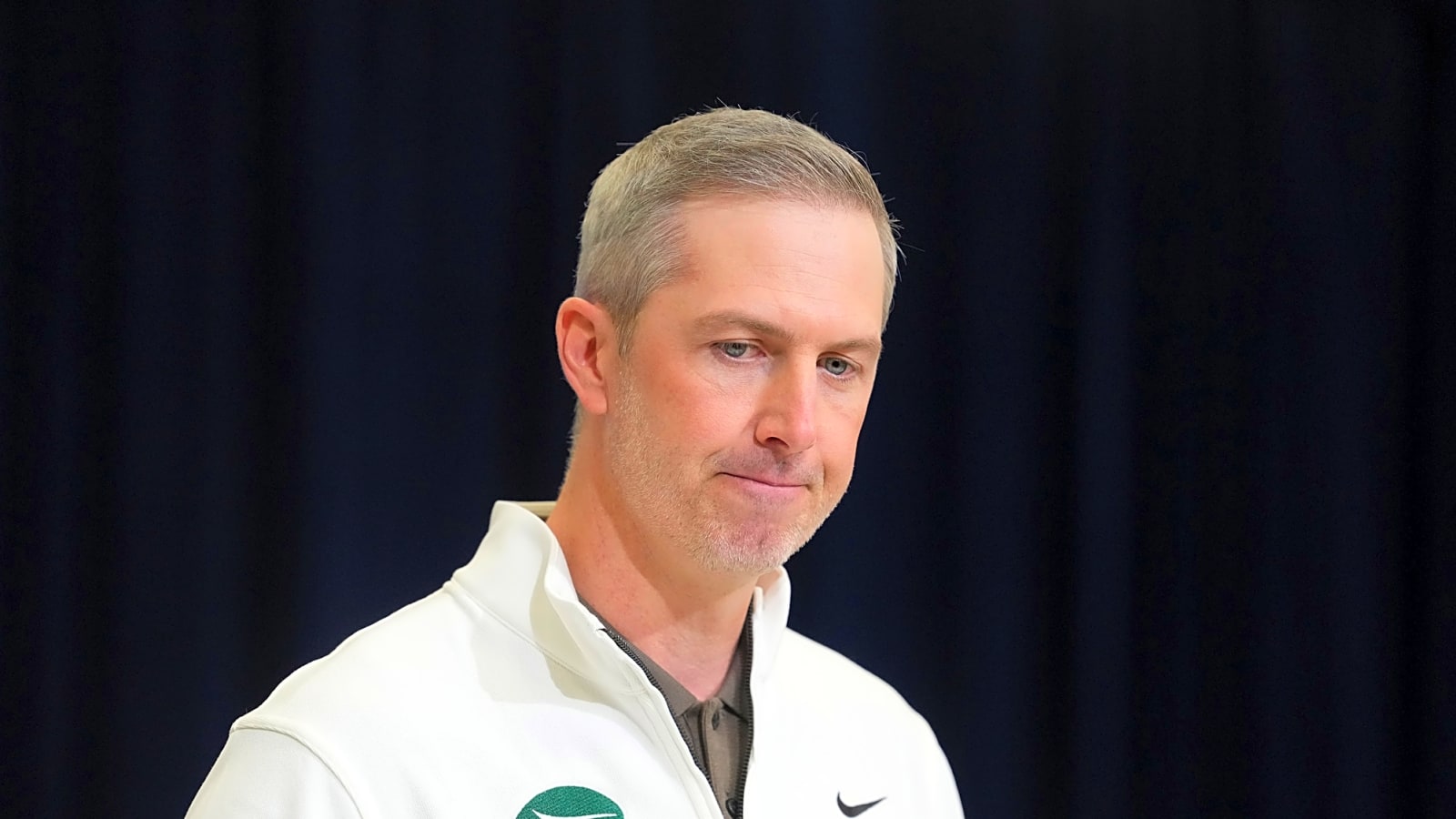
For a team with four picks in the first 44 slots of the 2026 NFL draft, the New York Jets have done an excellent job of keeping their plans a secret.
With Fernando Mendoza all but confirmed to be the No. 1 overall pick, New York effectively owns the first pick of the draft at No. 2 overall. Yet, nobody seems to know for sure which way the Jets are leaning.
Ohio State edge defender Arvell Reese remains the consensus favorite, but Texas Tech edge defender David Bailey has slightly overtaken Reese as the betting favorite. This comes on the heels of multiple draft insiders reporting that they have heard New York is leaning toward Bailey over Reese.
As for the team’s gaping hole at the quarterback position, there is still no clear indication of how, and when, New York plans to address it in the draft. Some reports suggest that the Jets are high enough on Alabama’s Ty Simpson to take him in the first round, while others claim that New York doesn’t plan to take a signal-caller until Day 3.
With the second, 16th, 33rd, and 44th overall selections at their disposal, the Jets have limitless options. They can add four Day 1 starters to a team that went 3-14 last season. Trades are also on the table. They could move back and add an even larger quantity of young talent, or they could pool their picks to move up and grab a prospect they feel certain about.
Whichever direction they choose, it would be hard for the Jets to go wrong. They were outscored by 203 points last season. Just about any player they select in the first two rounds will go a long way toward pushing the organization back to respectability.
There is only one thing the Jets must not do under any circumstances…
Select a running back in the first two rounds.
Anything but a RB for New York
Tight end, offensive tackle, safety—these would be unconventional choices for the Jets within the first two rounds, given the state of their depth chart at each position, but each one could be justified.
A running back, on the other hand, could not be justified.
Selecting a running back in the first round would be malpractice for any team in any situation, but it is at least somewhat understandable in certain scenarios. In the Jets’ situation, though, there would not be the slightest semblance of logic at play.
Running back is one of the least valuable positions in the NFL. It has one of the smallest impacts on the game, one of the shortest career spans, and is one of the easiest to find with late-round draft picks or cheap free agent signings. There is a reason running backs get paid less than any other offensive or defensive position.
This is why teams generally avoid picking running backs in the first round. Only the most outstanding prospects push their way into the first-round conversation, and even then, most teams live to regret the pick, especially in the top half of the round.
The Jets may find themselves allured by Notre Dame star Jeremiyah Love, whether they trade up from No. 16 or move down from No. 2. In a draft class that is generally considered weak in terms of top-end talent, Love has a case to be the best overall prospect relative to his position.
And in a league where the “BPA” mentality often reigns supreme, that could push the Jets to make a move for him, especially given their overall offensive struggles and the uncertain future of Breece Hall.
They must resist the urge at all costs.
Even if the Jets do not plan to extend Hall and fully expect him to leave after 2026, it would not justify using a high first-round pick on a running back. The Jets already have two young running backs waiting behind Hall in Braelon Allen and Isaiah Davis. Neither player has the same upside as Love, but both are capable of becoming solid starters, which is more than enough to compete for a championship. Star running backs are luxuries, not necessities.
And if the Jets are not sold on Allen and/or Davis as potential future replacements, they can add another player to the room on Day 3 of this year’s draft. This player would still have a relatively high chance of being a “hit” without costing premium capital that could be used to upgrade a far more important position than running back.
Even a Day 2 pick would be a reach for a developmental running back. The Jets can get a starting defensive tackle, wide receiver, or cornerback with that pick, and the Day 2 running back wouldn’t be that much more likely to work out than the one they could scoop up on Day 3, anyway.
Now, let’s say the Jets do plan to extend Hall after the draft, as general manager Darren Mougey has indicated. In that case, selecting a running back in even the first two rounds would be downright asinine.
If Hall is extended, he will likely have one of the largest contracts in the league among running backs, given that the Jets have already committed a franchise tag to him. With Hall under contract for at least $14 million per year, adding a first or second-round running back to the roster would be a severe over-allocation of resources into a non-premium position for a perpetually rebuilding team.
Choosing a running back in the first two rounds is the only thing the Jets could do in the 2026 NFL draft that deserves widespread criticism. Otherwise, there will be a way to see a method to their madness.
This, on the other hand, would be pure silliness.
More must-reads:
- It's not 'business as usual' for Patriots amid Mike Vrabel-Dianna Russini storyline
- Giants reportedly could soon make this Joe Schoen decision
- The 'Five 3's off the bench games' quiz
Breaking News
Trending News



Customize Your Newsletter
 +
+




Get the latest news and rumors, customized to your favorite sports and teams. Emailed daily. Always free!
PRIVACY POLICY COOKIE POLICY CONTACT US
ABOUT YARDBARKER TERMS OF SERVICE


By using this site, you agree to our Terms of Service and Privacy Policy.
This site is for entertainment purposes only.
There is no gambling offered on this site.
Gambling Problem? Call 1-800-Gambler.
