
-

-


Follow Us
-

 On Facebook
 On Flipboard

Four NFL game windows hit the open market in 2026, freed up when the NFL took a 10% equity stake in ESPN in exchange for handing over NFL Network and other media assets, a deal that also ended the Monday Night Football doubleheaders. The league’s biggest streaming suitor had been circling those games for weeks. Contract language was under review. Insiders called YouTube the frontrunner. Then, within days of a May 7 report from CNBC’s Alex Sherman, the platform that was supposed to represent the future of sports broadcasting walked away from the table. Established broadcast networks were in line to pick up what was left.
The $110 Billion Squeeze
The NFL’s 11-year media rights agreements signed in 2021 are valued at roughly $110 billion and technically run through 2033. That kind of money buys leverage. The league is moving to renegotiate ahead of a 2029 opt-out, with reports indicating a target of completing new agreements before the 2026 season kicks off in September. YouTube entered negotiations expecting a five-game package. The NFL signaled a split arrangement with Netflix instead. According to John Ourand, YouTube balked at splitting the inventory. The league moved on, because $110 billion means never having to wait.
The Myth That Died on a Tuesday

Everyone assumed streaming would devour traditional sports TV. YouTube held NFL Sunday Ticket. Netflix had Christmas Day games. The narrative wrote itself: broadcast networks were dinosaurs waiting for extinction. Then YouTube “balked,” as Ourand reported, refusing to split inventory with Netflix. The platform that was supposed to replace your cable box couldn’t stomach sharing the package with another streamer. Meanwhile, established broadcasters sat quietly in the next room, with reports indicating one of ABC, CBS, Fox, or NBC would air two of the games.
Zero Games, Zero Explanation
YouTube went from frontrunner to potentially nothing, per Ourand. Not reduced. Not partial. Zero. Netflix was reported to be in line for three of the five designated games, on top of its existing Christmas Day slate. A traditional broadcast network was set to pick up the remaining two. The streaming platform with more capital than almost anyone in the room was poised to walk out empty-handed because it refused terms Netflix accepted. That’s the moment the “streaming replaces broadcast” story collapsed under its own weight.
Netflix Played Chess
Netflix accepted what YouTube wouldn’t. Netflix has already aired Christmas Day NFL games and is expanding its NFL footprint with additional 2026 inventory. The league had issued a request for proposals earlier in 2026 with a menu of potential games from which companies could choose five for bidding. Netflix treated NFL games like premium-event content that drives subscriptions without competing against Sunday afternoon dominance. YouTube wanted the whole library or nothing. One strategy worked. The other produced zero.
Fox and the Sunday Afternoon Hold

Fox currently pays roughly $2.2 billion annually for its Sunday afternoon NFC package, and the NFL is expected to renegotiate with Fox shortly after concluding talks with CBS. Fox has been one of the more vocal critics of the NFL’s expanding streaming footprint. Combined with the fact that the Wall Street Journal, a Fox Corporation sibling, first reported the federal investigation into the NFL’s streaming deals, Fox’s position in the bidding lineup carries more weight than usual. Established broadcasters are positioned to scoop up windows that streamers either rejected or couldn’t agree to share.
The Subscription Trap
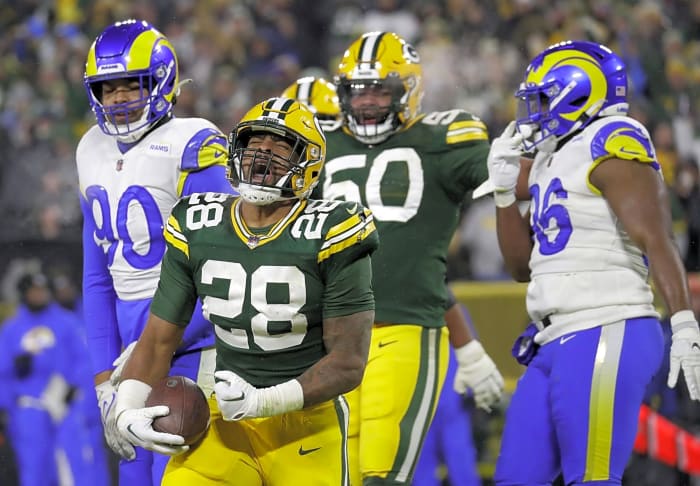
Across the 2025 regular season and playoffs, there were 21 NFL game windows that aired exclusively on streaming services outside the home markets, with 17 on Prime Video, two on Netflix, and one each on Peacock and YouTube, accounting for roughly 15 percent of the league’s 143 total windows. All but the YouTube game required a subscription. Cord-cutters escaped cable to avoid paying for channels they didn’t watch. Now they’re subscribing to platforms individually. Senator Mike Lee cited fans being forced to spend roughly $1,000 on cable and streaming to watch a full season. The NFL doesn’t care which screen you use. It gets paid from every single one of them.
The New Rule Book

The four games the NFL absorbed from ESPN were a direct result of the Monday Night Football doubleheaders being abandoned in the equity deal. The NFL is accelerating renegotiations with CBS, Fox, NBC, ESPN, and Amazon ahead of the 2029 opt-out, aiming to lock in new deals before the 2026 season begins. Once you see the pattern, you can’t unsee it: the league doesn’t run an open market. It manages a controlled ecosystem, releasing inventory strategically, compressing timelines deliberately, and sorting bidders into roles they didn’t choose.
The DOJ Is Watching
The U.S. Justice Department has opened an investigation into whether the NFL is harming consumers through the way it licenses games across paid streaming platforms and paid cable networks. A government official described the probe as being “about affordability for consumers and creating an even playing field for providers.” The Sports Broadcasting Act of 1961 grants the league a limited antitrust exemption that allows it to sell broadcast rights collectively. The current FCC chairman warned last month that if the NFL puts “too many games behind a paywall,” the protections of the 1961 exemption would “collapse.” The Wall Street Journal, a corporate sibling of Fox Corporation, was first to report on the investigation.
Who Pays Next

Reports indicate the NFL is targeting a September 6, 2026 deadline to wrap up new agreements ahead of the season. Every game now carries a platform label. YouTube could still bundle with another service or wait for the next round of bidding. Congress could revisit the Sports Broadcasting Act entirely. But right now, the NFL has built a $110 billion empire where broadcast TV gets “rescued” by streaming failures, streamers accept niche roles, and fans subscribe to everything. The person who understands that system sees every future rights deal coming before it lands. Would you pay for a sixth streaming subscription just to watch every NFL game next season, or is this the moment you finally cut the cord on the cord-cutters? Tell us where you draw the line.
More must-reads:
- 2026 NFL schedule release: 10 dates to circle for the upcoming season
- Eagles reporter gives Patriots fans massive A.J. Brown update
- The 'NFL's active 1K-rushers' quiz
Breaking News
Trending News





Customize Your Newsletter
 +
+




Get the latest news and rumors, customized to your favorite sports and teams. Emailed daily. Always free!
PRIVACY POLICY COOKIE POLICY CONTACT US
ABOUT YARDBARKER TERMS OF SERVICE


By using this site, you agree to our Terms of Service and Privacy Policy.
This site is for entertainment purposes only.
There is no gambling offered on this site.
Gambling Problem? Call 1-800-Gambler.
