
-

-


Follow Us
-

 On Facebook
 On Flipboard


The Toronto Maple Leafs finally made the move everyone had been whispering about for months. Craig Berube is out after two seasons behind the bench, and the decision did not come as much of a surprise.
That doesn’t mean Berube’s a bad coach. He’s not. He’s won a Stanley Cup. Players generally seem to like him. He brings accountability, intensity, and that old-school hockey honesty that fans often appreciate. But sometimes a coach and a roster just don’t fit together, and that’s what this started to feel like in Toronto.
Reason One: Auston Matthews’ Production Fell Off a Cliff
Over the last two seasons, there were warning signs everywhere. The first big one was what happened to Auston Matthews. Sure, injuries mattered. Matthews clearly wasn’t fully healthy for long stretches, especially this season. But beyond the injuries, it seemed like the Maple Leafs were trying to turn one of the NHL’s most dangerous offensive players into something he’s not.
Under Berube, there seemed to be a constant push to make Matthews into a pure 200-foot shutdown force first and a scorer second. There’s value in defensive responsibility, of course. And to his credit, Matthews accepted the role and did it well. Every great player has to defend. But somewhere along the way, the balance got lost.
Matthews went from being a terrifying offensive weapon who attacked constantly to playing a much more restrained game. Instead of playing instinctively, he often seemed to be thinking through every shift. His production cratered compared to previous seasons, and the whole team’s offence seemed to tighten up around him. At some point, Matthews had to open up and fly. Too often, though, he looked restrained instead.
Reason Two: Berube’s Physical Style Created Injuries Throughout the Lineup
The second issue was the physical grind Berube expected from his team. Again, in theory, it sounds great. Maple Leafs fans have spent years hearing that the team was too soft. Berube came in promising harder and heavier hockey, playoff-style hockey every night. A new DNA, it was called. And for stretches, the Maple Leafs absolutely played that way.
The problem is there’s a price to pay for that style. When players are constantly expected to finish checks, battle physically every shift, block shots, grind below the goal line, and basically live in survival mode for 82 games, bodies start breaking down. That’s the reality. There’s a reason heavy hockey works in the playoffs, but there’s also a reason it’s difficult to sustain over a full season.
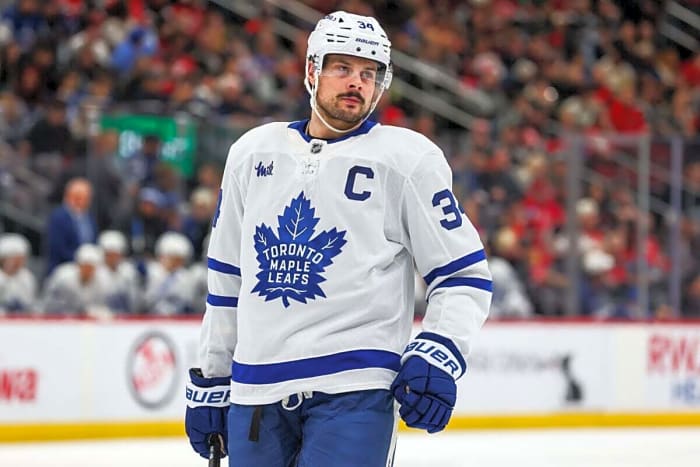
Toronto looked exhausted half the time this year, and injuries piled up. Matthews missed time. Other key players, like Chris Tanev, were constantly banged up. The team never seemed fully healthy or fully energized for long stretches. Honestly, this roster might not have been built for that identity. Trying to force skilled players into a trench-war style every night can backfire if the structure underneath it isn’t strong enough.
Reason Three: ‘Work Harder’ Is Not a System
Which brings us to the third problem: the system itself never seemed clear. This is the one that probably hurt Berube most. Watching the team this season often felt like watching players afraid to make mistakes. There wasn’t much creativity. There wasn’t much offensive flow. Everything looked tense. Push. Grind. Dump it in. Work hard. Push harder. But to what end?
The Maple Leafs rarely looked like a team with layered offensive ideas or tactical adjustments. They didn’t seem especially fast in transition. They didn’t create consistently off the rush. They were outshot in 62 of 82 games this season. Their power play lost its rhythm. Too often, it looked like effort was replacing execution. And effort alone only takes you so far in today’s NHL.
Berube Was a Motivator, Not a Creative Coach
Berube has always felt more like a motivator than a tactical innovator. That works wonderfully for some teams. Sometimes players need a voice that simplifies the game, demands accountability and compete level. But this Maple Leafs group looked like it needed structure, creativity, and solutions — not just intensity.
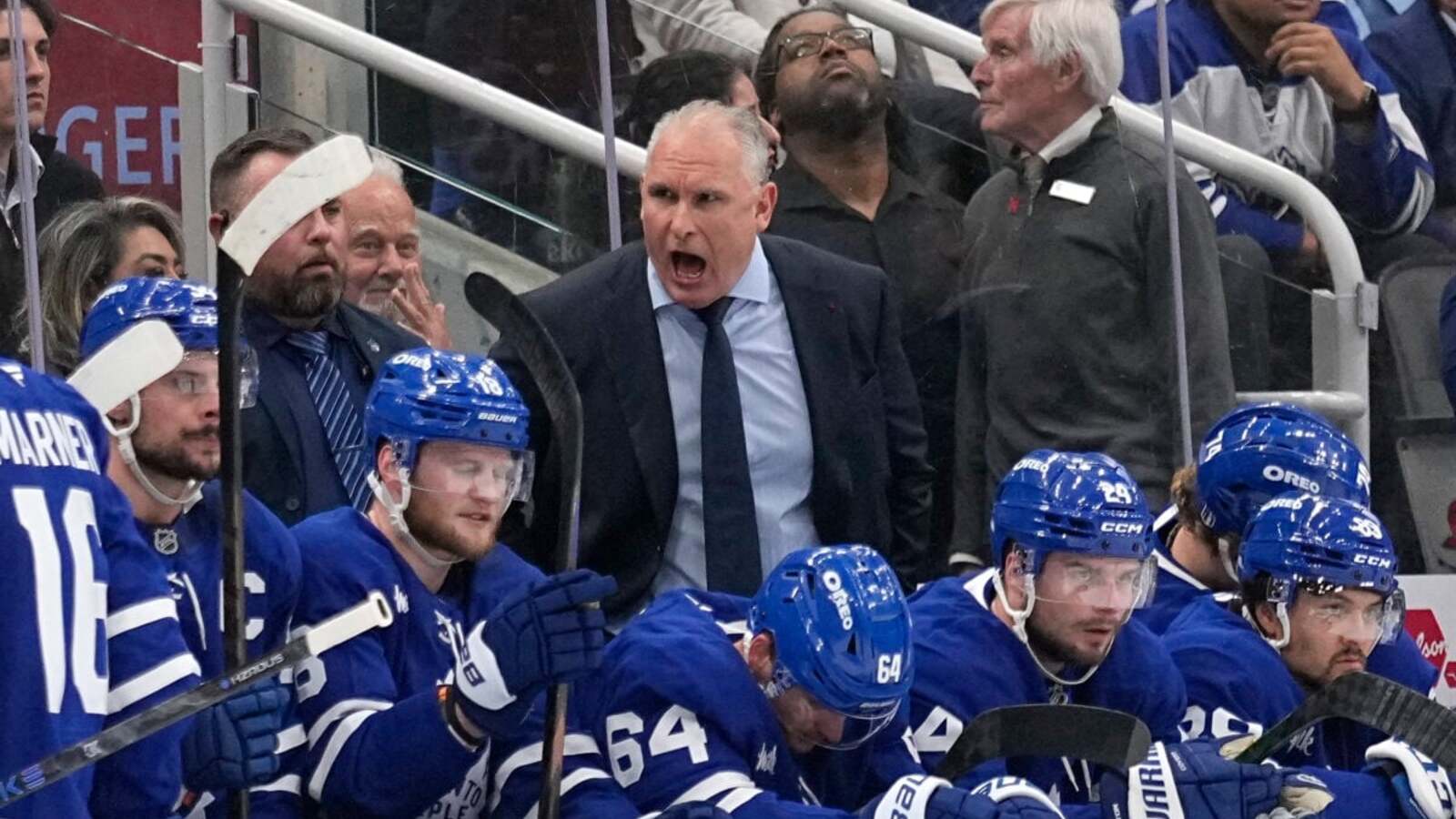
By the end, the whole thing felt heavy. The players looked tight. The offence disappeared. The confidence disappeared. And once that happens, things unravel quickly. So no, Berube’s firing isn’t really shocking. It’s probably what happens when a talented, skill-based roster spends two seasons trying to become something it never fully was.
More must-reads:
- Maple Leafs 'keenly interested' in veteran forward Claude Giroux
- Sharks GM Mike Grier takes shot at Maple Leafs over Mitch Marner
- The 'First-overall NHL Draft picks' quiz
Breaking News
Trending News






Customize Your Newsletter
 +
+




Get the latest news and rumors, customized to your favorite sports and teams. Emailed daily. Always free!
PRIVACY POLICY COOKIE POLICY CONTACT US
ABOUT YARDBARKER TERMS OF SERVICE


By using this site, you agree to our Terms of Service and Privacy Policy.
This site is for entertainment purposes only.
There is no gambling offered on this site.
Gambling Problem? Call 1-800-Gambler.
