
-

-


Follow Us
-

 On Facebook
 On Flipboard
 On Twitter

Through a quirk, the Montreal Canadiens find themselves in second place in the Atlantic Division with 100 points, without having clinched a playoff spot, while the Buffalo Sabres, who sit below directly them with the same point total have. The reason?
The Canadiens have one game in hand over the Sabres leading to a higher points percentage (P%; the first tiebreaker), but have (far) fewer regulation wins (the second). So, the Detroit Red Wings, who are currently on the outside looking can still theoretically catch them, but let’s call that for what it is: unlikely.
For all intents and purposes, the Canadiens, whose playoff odds are at 100% per MoneyPuck.com, will make them. They need just a single point over their remaining six games to officially clinch, or for the Wings, who were in first place in the division and conference on Jan. 25 and are in a veritable free fall in the standings, hemorrhaging points, to drop one (at least).
Looking at the Red Wings as something of a case study: They’ve got six games left, against teams with a fairly high .584 remaining strength of schedule (SOS). Worse than that, facing opponents against whom they went an unimpressive 5-6-2 during the regular season, they’re simply put unlikely to run the table and catch the Canadiens, or, frankly, win enough down the stretch to make the postseason at all.
Here are the likeliest teams the Canadiens will face in the first round, in increasing order of likelihood, using those same criteria as a basis:
5. Ottawa Senators
The top three teams in the Atlantic Division are largely set, with just the final seeding having to be determined: The Canadiens, Sabres and Tampa Bay Lightning have separated from the pack. The Habs, who are currently in second place, can still catch the Lightning (102) for first place, especially with one additional game between the two teams remaining (April 9, at home).
The Canadiens can also still catch the Carolina Hurricanes (104) for first in the Eastern Conference, which would pit them against the second wild-card team. That is currently the Ottawa Senators, who find themselves in a four-way tie in the standings with 88 points (Red Wings, Philadelphia Flyers, Columbus Blue Jackets).
As the Senators are officially the incumbents, you have to give them the nod here, a match-up that would suit the Canadiens just fine. They’re 3-1 against the Sens this year. And, as divisional rivals, the Habs are very comfortable facing them, while also poised to relish the opportunity to beat them. All that having been said, while the Senators have the lowest remaining SOS .578 of all the teams in the mix for the final playoff spot, they’re also a putrid 5-9 against the six opponents they’ll be facing.
So, despite having six whole games to pull ahead (four at home, two away, two sets of back-to-backs), the Senators are unfortunately not the likeliest to earn that second wild-card spot.
4. Philadelphia Flyers
That would arguably instead be the Flyers, who are a cumulative 6-4-3 against the teams they’ll face in their remaining six games (.596 SOS, three at home, three on the road, one set of back-to-backs). Also, while the Senators are a mediocre 5-4-1 over their last 10, having lost four of their last five, the Flyers are, well, flying high at 7-3.
If you had to pick one team to rise above those that will fall short, the Flyers, against whom the Canadiens are 1-1-1 this season so far, are a decent bet. The two also face off against one another in the final game of the season. So… an eight-game series, anyone?
3. Boston Bruins
Calling a spade a spade, it’s hard to envision the Canadiens overtaking the Hurricanes for top spot in the conference. With this limited amount of runway left on the season, it’s hard enough to make up the two points’ difference between them and the Lightning, who are the current top seeds in the Atlantic. The four separating them and the Canes are too Herculean of an ask.
So, should the Canadiens pull out all the stops and simply accomplish the former feat, they’d obviously face the first wild-card team. With 94 points so far, six below the third Atlantic seed and six above the second wild-card team, that’s, with near-100% certainty, going to be the Boston Bruins… which regardless of your feelings on the matter would make for an incredibly entertaining series, as the two are arguably each other’s top rivals, historically speaking.
Granted, it’s a fairly lopsided rivalry. The Canadiens hold a 25-9 all-time playoff-series record over the Bruins. The organizations have nevertheless combined to face each other the most often of any two teams in NHL postseason history (177 games). This season specifically, the Habs are 2-2 against the Bruins, with the last two games holding special significance.
On Jan. 24, the Canadiens wasted a hat trick by Cole Caufield and squandered a late 3-2 lead to lose 4-3 in regulation, in a game that effectively spelled the beginning of the end for goalie Sam Montembeault as the team’s No. 1. In the two teams’ last meeting on March 17, Caufield won it overtime with his 40th goal of the season, becoming the first Hab since 1994 to reach the mark, in what is quickly becoming an overall season to remember for the 25-year-old winger.
In all honesty, a first-round match-up with the Bruins is probably the biggest reason to hope for the Canadiens to win the division, if you’re a Habs fan. Including the favourable match-up (historically), any theoretical series between the two sides would likely count similarly memorable moments in spades.
2. Tampa Bay Lightning
History isn’t necessarily on the Canadiens’ side with regard to the Lightning. All-time, the Habs are 53-52-6-11 against the Bolts, during the regular season. In the postseason, they’re 1-3, with the last loss infamously coming in the 2021 Stanley Cup Final.
Taking into consideration how the Lightning represent an arguable modern-day dynasty and perennial contenders led by former-Hart Memorial Trophy-winner Nikita Kucherov up front and former-Vezina Trophy-winner Andrei Vasilevskiy (both in 2019), who are both among the league leaders at their respective positions seven years later, it’s hard to argue against the Bolts also representing the worst possible opponents the Habs could face.
Somewhat thankfully, they’re only in second place on this list.
1. Buffalo Sabres
Whether or not the Canadiens overtake the Lightning for first place will largely hinge on how the game between the two teams on April 9 goes. However, even if the Habs manage to beat the Bolts in that game, their opponents will hold the tie-breaker, regardless of how many regulation wins the Habs pile up in their six final regular-season games. So, to win the Atlantic, to likely face the Bruins, they’ll have to clear them (or the Sabres) in the standings outright.
That’s easier said than done, as the Lightning are 10-6-1 against their remaining opponents (.592 SOS, two home, four away, one set of back-to-backs left). Despite having one less game left compared to the Bolts and Canadiens though, the Sabres have an advantage in terms of an obviously lighter schedule (three home, two away, one set of back-to-backs), remaining SOS (.566) and record over their upcoming opponents (5-2-2).
For their part, the Canadiens have four home games left (two away), but two sets of back-to-backs left. They’re also just 6-3-4 against their remaining opponents despite a favourable .572 remaining SOS. So, realistically, despite the heater the Habs are on, having won their last eight games, the division will come down to the Lightning or Sabres.
That isn’t to say the Canadiens can’t pull it out in the end, only that they’re at a significant disadvantage, with the Lightning especially looking like the front-runners, all things taken into account. The Sabres may have the easier schedule, but the Bolts are two points higher in the standings and hold one game in hand along with the regulation-wins tie-breaker.
So, while things can definitely still change, it’s entirely possible, likely even, that the Canadiens play the Sabres in Round 1. It’s not a horrible match-up for the Habs per se. All-time, the Habs are 4-3 in the playoffs against the Sabres, with the last one coming in the form of a four-game loss in the second round in 1998. So, probably not the best reference point.
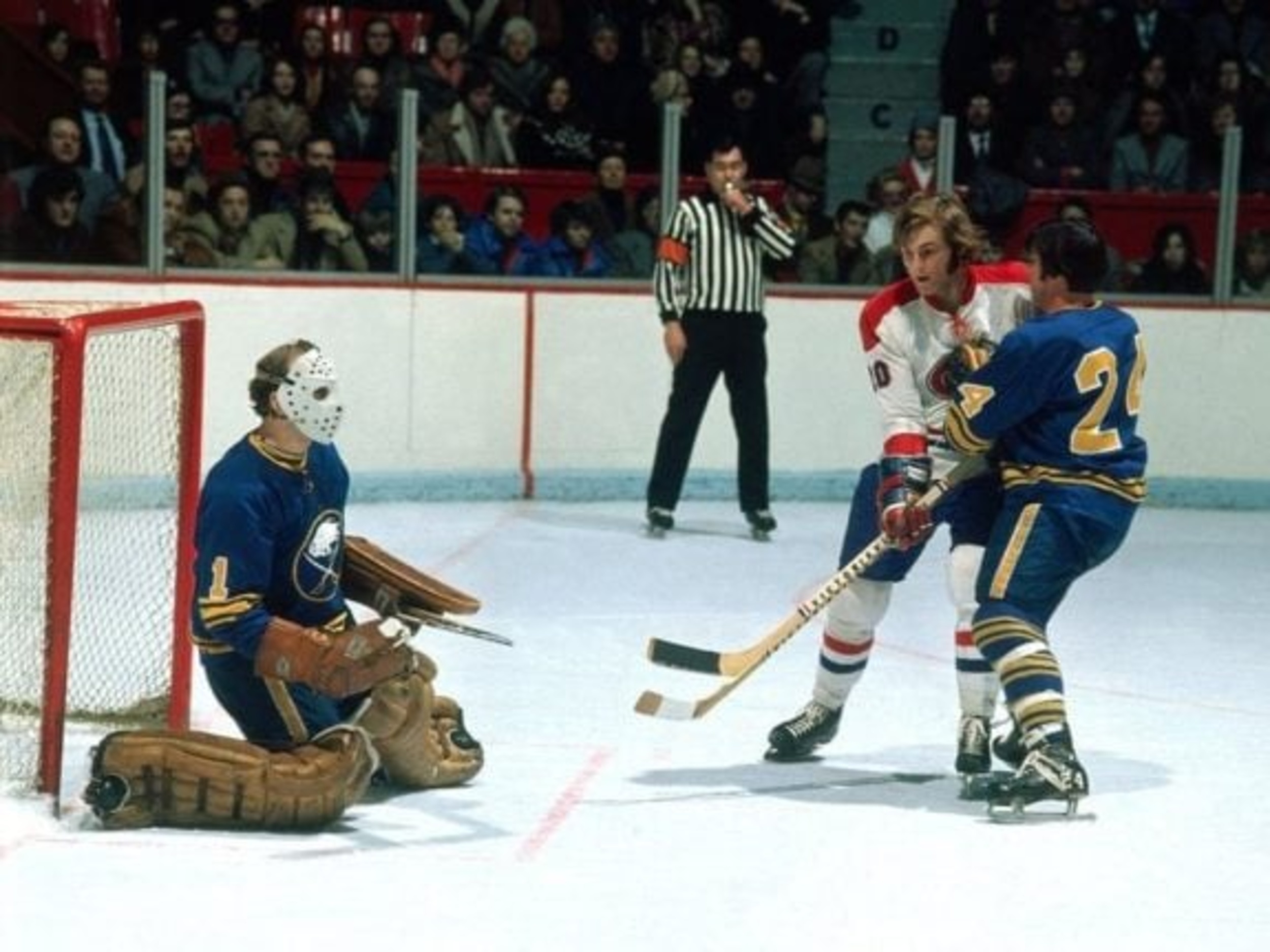
More recently, the Sabres have struggled to make the postseason, having last made an appearance in 2011. The Canadiens can’t necessarily count on their unexpected playoff appearance last year as giving them an edge in terms of experience, with both squads among the youngest in the NHL and having gone 2-2 against one another in 2025-26. What is more tell-tale of an advantage is how the Sabres have struggled recently, having gone 5-3-2 over their last 10. That could determine who ends up with home-ice advantage in Round 1 between the two.
More likely than not, that’s what these last six games for the Canadiens (five for the Sabres) will decide.
More must-reads:
- Maple Leafs' Craig Berube makes roster move that hints at rebuild plans
- Islanders' firing of Patrick Roy changes perception about present, future
- The 'NBA active two-pointers leaders' quiz
Breaking News
Trending News








Customize Your Newsletter
 +
+




Get the latest news and rumors, customized to your favorite sports and teams. Emailed daily. Always free!
PRIVACY POLICY COOKIE POLICY CONTACT US
ABOUT YARDBARKER TERMS OF SERVICE


By using this site, you agree to our Terms of Service and Privacy Policy.
This site is for entertainment purposes only.
There is no gambling offered on this site.
Gambling Problem? Call 1-800-Gambler.
