
-

-


Follow Us
-

 On Facebook
 On Flipboard

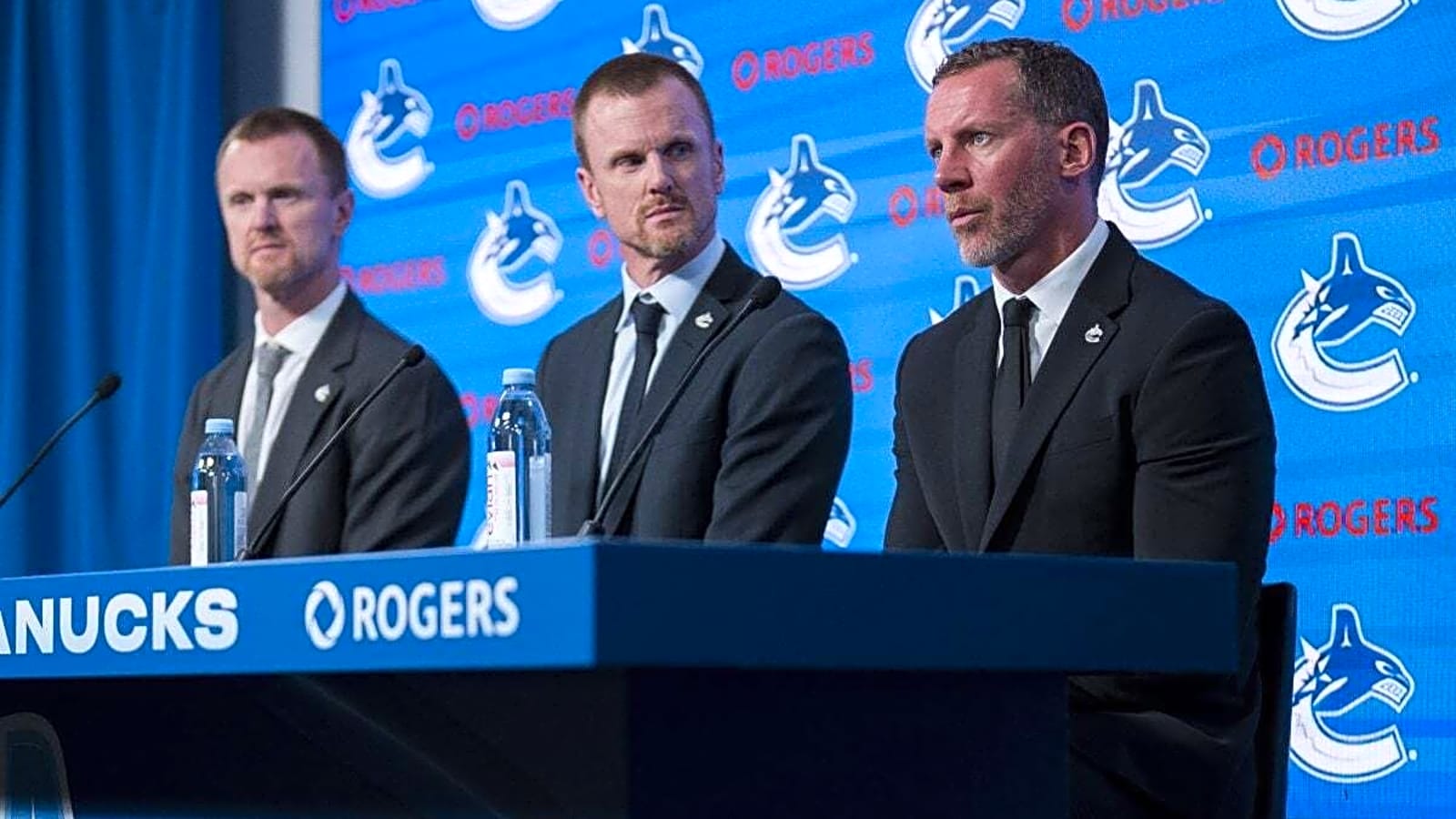
The Vancouver Canucks clarified a few things yesterday when they held a press conference to announce Henrik and Daniel Sedin as Co-Presidents of Hockey Operations, and Ryan Johnson as the 13th General Manager in franchise history. Suddenly, the attention shifts away from the ice toward the people making the decisions behind the scenes.
The biggest theme right now is direction. How aggressive does this new version of the Canucks want to be? There’s a real sense that they are trying to return to a time when things were more solid. How the team engages that in real time over the offseason will tell us more about their vision for the future.
Ryan Johnson, Internal Trust, and the Direction of the Front Office
One of the central figures in all of this is Johnson. He represents something fairly simple on the surface, but complicated underneath: internal trust. He’s not coming in from outside with a brand-new blueprint. He’s been part of the Canucks’ ecosystem for years, moving from development roles to running the team’s American Hockey League affiliate, Abbotsford Canucks, and now sitting in the assistant GM chair in Vancouver.
What stands out with Johnson is that he hasn’t taken shortcuts. He’s done the slow climb through player development, AHL management, and roster-building at different levels. Along the way, he’s worked closely with coaches like Manny Malhotra and helped build Abbotsford into a competitive team. He has worked to bridge the gap between player development and the big club.
The real question, though, is whether familiarity is enough. It’s one thing to know the system. It’s another to reshape it. Johnson is widely respected for communication and evaluation, but his new job requires making big, sometimes unpopular decisions that could change the direction of the franchise, not just maintain it.
Coaching Questions, Internal Bonds, and a Decision That Can’t Wait
The coaching situation is the first real pressure point in this transition. After the front office shake-up, Jim Rutherford made it clear that the next general manager will ultimately decide the fate of head coach Adam Foote. That puts everything in a holding pattern, but it’s not the kind of situation that can stay on pause forever.
Johnson has been measured in his comments so far, noting that Foote shouldn’t be judged too harshly, given the circumstances he inherited. That’s fair and pretty standard in a league where coaching turnover often happens faster than context is applied. But behind the scenes, it’s obvious that every department is under review. Nothing is permanent.
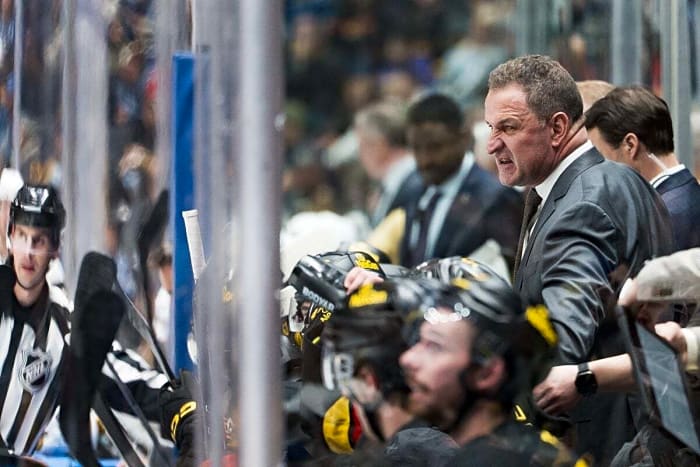
The interesting subplot here is the connection between Johnson and Malhotra. The two share a long-standing relationship, and by all accounts, there’s mutual trust there. That is important because Malhotra’s coaching stock has risen quickly, and teams around the league are paying attention. The Toronto Maple Leafs, in particular, are also in the market for a new head coach. That adds a layer of urgency that Vancouver probably didn’t want to deal with this early in their process.
Elias Pettersson Faces Crucial Summer Expectations
And then there’s the biggest on-ice storyline of them all: Elias Pettersson. No matter how many structural changes the Canucks go through, the conversation eventually comes back to him. That’s what happens when you’re the franchise centre and highest-expectation player on the roster.
The message from within the organization has been fairly direct without becoming dramatic. The focus isn’t just performance during the season anymore; it’s preparation leading into it. The Sedins have been especially clear about that idea, emphasizing that the best versions of players show up ready in September, not searching for form in October. For Pettersson, it’s less about talent and more about habits, discipline, and structure.
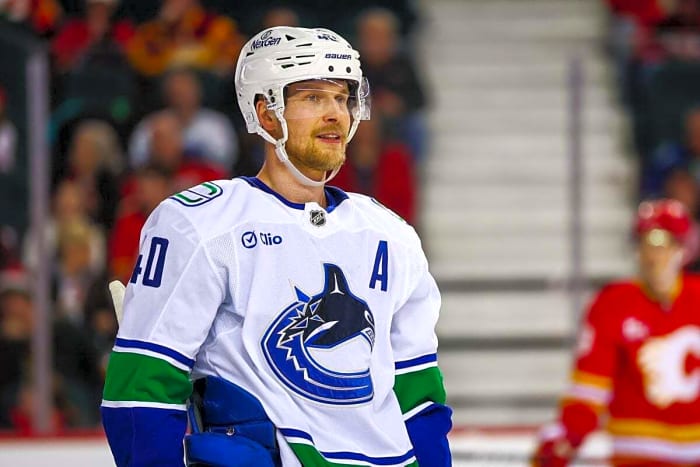
Johnson’s approach is to wipe the slate clean rather than layer more pressure on Pettersson, establishing a baseline expectation going forward. In other words: no baggage, no assumptions, just a fresh start and a clear measurement of where things stand when training camp begins.
Still, everyone involved knows the truth. Pettersson has the talent to change games. He bends matchups. He drives entire stretches of play. When he’s not on his game, the team’s structure feels heavier than it should. That’s why this summer isn’t just routine. It’s foundational.
What’s Next for the Canucks?
So, where do the Canucks go from here? They are still in the sorting phase. The front office structure is being finalized in practice more than in name, the coaching decision is in a holding pattern, and roster questions — especially around Pettersson — are shaping the team’s long-term direction.
The next few months will be less about headlines and more about alignment. Does the organization embrace more aggressive change, both behind the bench and within the roster itself?
One way or another, the Canucks are moving toward a version of themselves that has to be clearer than what we’ve seen in recent years. At this stage, it’s about making the right decisions and then standing behind them when things inevitably get tough.
More must-reads:
- Report: Rangers castoff forward drawing interest from Maple Leafs
- Winners, losers from Thursday's Stanley Cup playoffs: Mitch Marner on Conn Smythe run
- The 'Active 40-HR MLB seasons' quiz
Breaking News
Trending News





Customize Your Newsletter
 +
+




Get the latest news and rumors, customized to your favorite sports and teams. Emailed daily. Always free!
PRIVACY POLICY COOKIE POLICY CONTACT US
ABOUT YARDBARKER TERMS OF SERVICE


By using this site, you agree to our Terms of Service and Privacy Policy.
This site is for entertainment purposes only.
There is no gambling offered on this site.
Gambling Problem? Call 1-800-Gambler.
