
-

-


Follow Us
-

 On Facebook
 On Flipboard


[Editor’s note: This article is from The Spun’s “Then and Now” magazine, featuring interviews with more than 50 sports stars of yesteryear. Order your copy online today, or pick one up at retail racks and newsstands nationwide.]
More than 20 years have passed since Apolo Anton Ohno sped into America’s living rooms, displaying talent and oozing swagger with his soul patch. Between 2002, when Ohno captured the nation’s attention at the Salt Lake City Games, and his last Olympics in 2010, he became the most decorated American Winter Olympian in history with eight medals.
But Ohno’s path after the Olympics wasn’t easy. Having given so much of his life to speedskating — with 3:30 a.m. wakeup calls for practice, and constant travel and competitions that left little time for anything else, Ohno struggled with the idea that his only purpose was to thrive and succeed in sport.
“There really is a kind of riveting embrace of this loss of identity that occurs, which I believe is highly correlated with the longer an athlete stays in a sport, the more successful that they are at that sport — that this is their purpose,” he said.
Ohno has learned there is life after speedskating. Today, the 43-year-old is happy as he pursues a multipronged and newfound purpose. He spends time investing in the health and wellness space, serving as an adviser to executives on their path to success and as a motivational speaker to professional, educational and cultural communities, helping “people be and live their best, perform their best and feel their best.”
“I couldn’t have envisioned a life more filled with these incredible experiences that have occurred, and also the immense challenges of transitioning beyond the world of sport,” Ohno said.
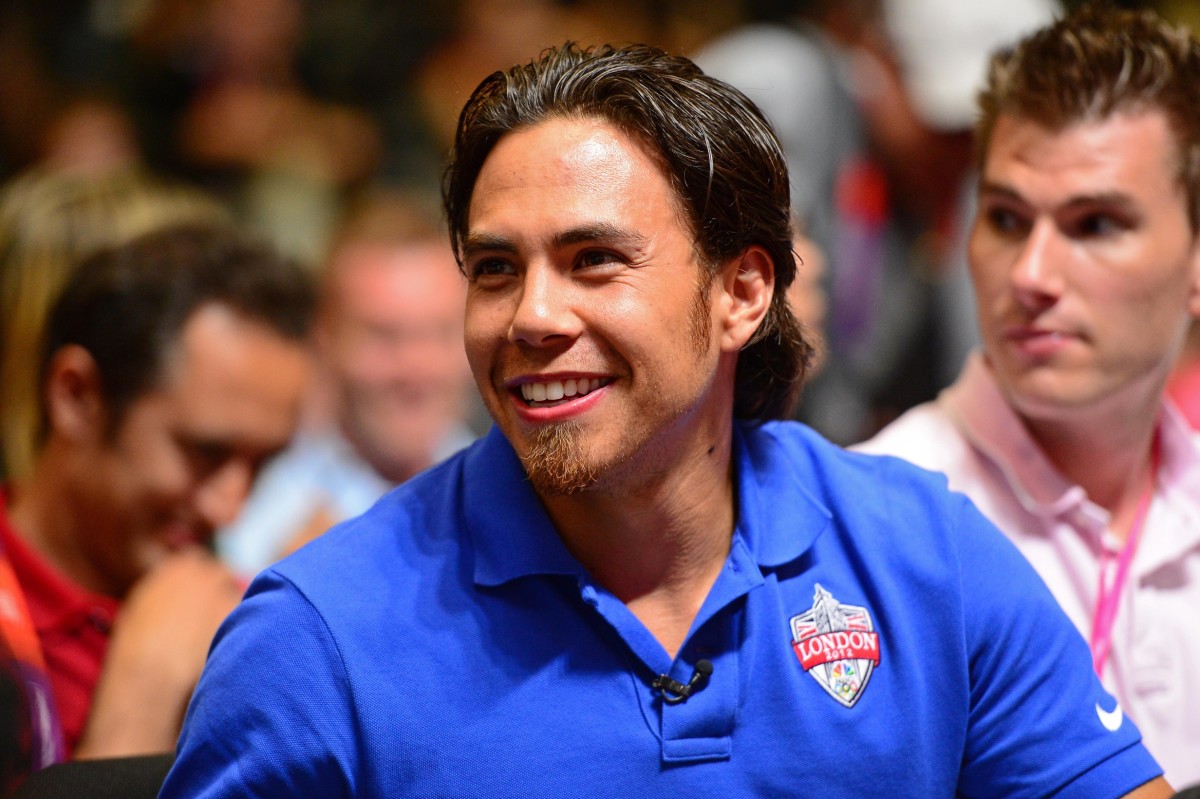
The 2026 Milan Olympics will mark the 20th anniversary of Ohno’s victory in the men’s 500-meter speedskating event in what Ohno called “The Perfect Race.”
His favorite moment, however, doesn’t involve gold. It was the silver medal he won in the 2002 1,000-meter event, his first Olympic final. The race came just six months after 9/11.
“The country was living in a very volatile and insecure, at least psychological, place,” Ohno said. “People were unsure if we should host the Olympic Games. It was the first time in my professional career where I switched from ‘me’ to ‘we’ because of this cultivation and unification around America, and the flag, and wanting to celebrate sport as this beautiful expression of perseverance in getting back up when you’re knocked down.
“I was leading, and with a quarter lap remaining, I could literally see the finish line. [Then] there was a slew of domino-fallen athletes and we all went crashing into the pads. I somehow scrambled to my feet, kicked my feet across the finish line, and was able to win that silver. And that was a very meaningful race to me in many ways, and I’m sure … some life lessons associated with that. No matter what, get back up and finish.”
More must-reads:
- Ideal landings spots for five NFL big-name free agents
- Storylines for the Open Championship: Tommy Fleetwood prepares for home game
- The 'MLB All-Star starting pitchers' quiz
Breaking News
Trending News


Customize Your Newsletter
 +
+




Get the latest news and rumors, customized to your favorite sports and teams. Emailed daily. Always free!
PRIVACY POLICY COOKIE POLICY CONTACT US
ABOUT YARDBARKER TERMS OF SERVICE


By using this site, you agree to our Terms of Service and Privacy Policy.
This site is for entertainment purposes only.
There is no gambling offered on this site.
Gambling Problem? Call 1-800-Gambler.
