
-

-


Follow Us
-

 On Facebook
 On Flipboard

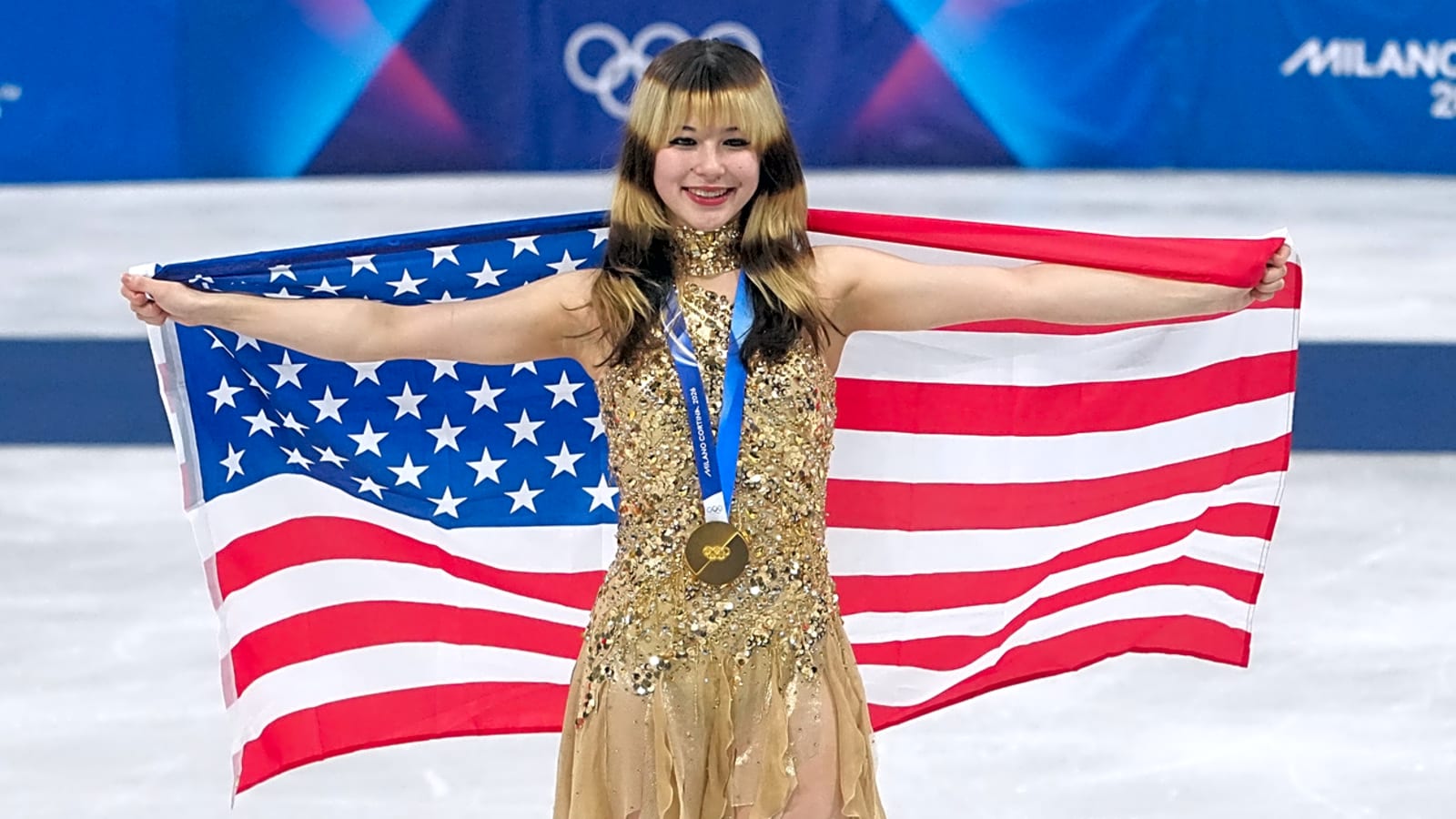
Four years after scandal, Olympic women's figure skating delivers an utterly redemptive podium
February 2022. Beijing, China. It's the final day of the Olympic women's figure skating competition, but the mood is far from celebratory.
The slate of programs has just wrapped up. The Russian federation was expecting a podium sweep, but it's not going to get one. Its presumed gold medalist, 15-year-old phenom Kamila Valieva, is hunched over with her head in her hands. She fell twice in her long program to plummet into fourth place, and she did it while suffering through the brunt a global doping scandal. Various parties alleged that Valieva entered the Games using illegal performance-enhancing substances, and those parties will eventually be proved correct.
Valieva is a child. Her coaches, not her, are responsible for the drugs being put in her body. But here she is, literally and figuratively taking the fall, while her coaching team stands emotionless behind her.
Valieva's two teammates, Alexandra Trusova and Anna Shcherbakova, do manage to make the podium, but not in the order they expected to. Shcherbakova takes gold with a sweet, perfectly executed long program, while Trusova takes silver with an athletically ambitious alternative. Trusova is livid. She was promised a higher seeding than she ended up getting, and she's screaming at their shared coach with mascara running down her face.
"I hate skating," she sobs. "I hate it. I hate this sport. I will never skate again. Never."
Shcherbakova, meanwhile, is all alone in the winner's chair on the opposite side of the rink. She's staring into space like she's disassociating from a horror film. No one comes to congratulate her, save shock bronze medalist Kaori Sakamoto of Japan, who never expected to get near the podium while Russia was busy throttling it. Sakamoto is the only woman in the building with anything resembling a smile on her face.
That's the disastrous place we left Olympic women's figure skating four years ago. The scandal of Beijing 2022 — children on drugs, lies among teammates, the success of morally abhorrent coaching — threatened to kill the sport altogether.
It threatened to, but it didn't.
February 2026. Milan, Italy. It's the final day of the Olympic women's figure skating competition, and the mood could not be brighter.
The slate of programs has just wrapped up. Three fabulous, lovable, generation-defining skaters have earned their places on the Olympic podium, and each one is defined by their response to the scandal of 2022.
The gold medalist, Team USA's Alysa Liu, left the sport altogether in the wake of the 2022 Games, citing pressure, anxiety and a lack of love for the sport. She returned nearly three years later, but she did so exclusively on her own terms. No coach can pressure her, no media can faze her: Liu is skating solely for herself.
ALYSA LIU YOU ARE UNBELIEVABLE. #WinterOlympics pic.twitter.com/3btj1WEQCp
— NBC Olympics & Paralympics (@NBCOlympics) February 19, 2026
The silver medalist, Japan's Kaori Sakamoto, was right there on the podium in 2022. She saw the sport at its worst and spent the next four years pushing it to be its best. She's the grand dame of women's figure skating, the beloved auntie keeping everyone in check, and as she surveils the rink from the podium, she sees a thriving field of women indebted to her tireless work.
The bronze medalist, Japan's Ami Nakai, wasn't around in 2022. She's just 17 years old. Thanks to women like Liu and Sakamoto, though, Nakai hasn't known skating to be anything other than a healthy and supportive sisterhood. Liu and Sakamoto may not return for another Olympic cycle, but Nakai will — and she'll carry on their legacy with pride.
The greatest thing about the 2026 Olympic women's figure skating final was just how firmly it slammed the door on the failures of 2022. With a returning hero, a beloved veteran and a talented teenager standing on the podium, the future of women's figure skating finally looks bright again.
More must-reads:
- Top takeaways from Olympic women's figure skating: Alysa Liu's glorious gold, Japan's big night, more
- Will we see Mikaela Shiffrin at 2030 Games? 'I don't know'
- The 'Triple-Double leaders by team' quiz
Breaking News
Trending News






Customize Your Newsletter
 +
+




Get the latest news and rumors, customized to your favorite sports and teams. Emailed daily. Always free!
PRIVACY POLICY COOKIE POLICY CONTACT US
ABOUT YARDBARKER TERMS OF SERVICE


By using this site, you agree to our Terms of Service and Privacy Policy.
This site is for entertainment purposes only.
There is no gambling offered on this site.
Gambling Problem? Call 1-800-Gambler.
