
-

-


Follow Us
-

 On Facebook
 On Flipboard
 On Twitter
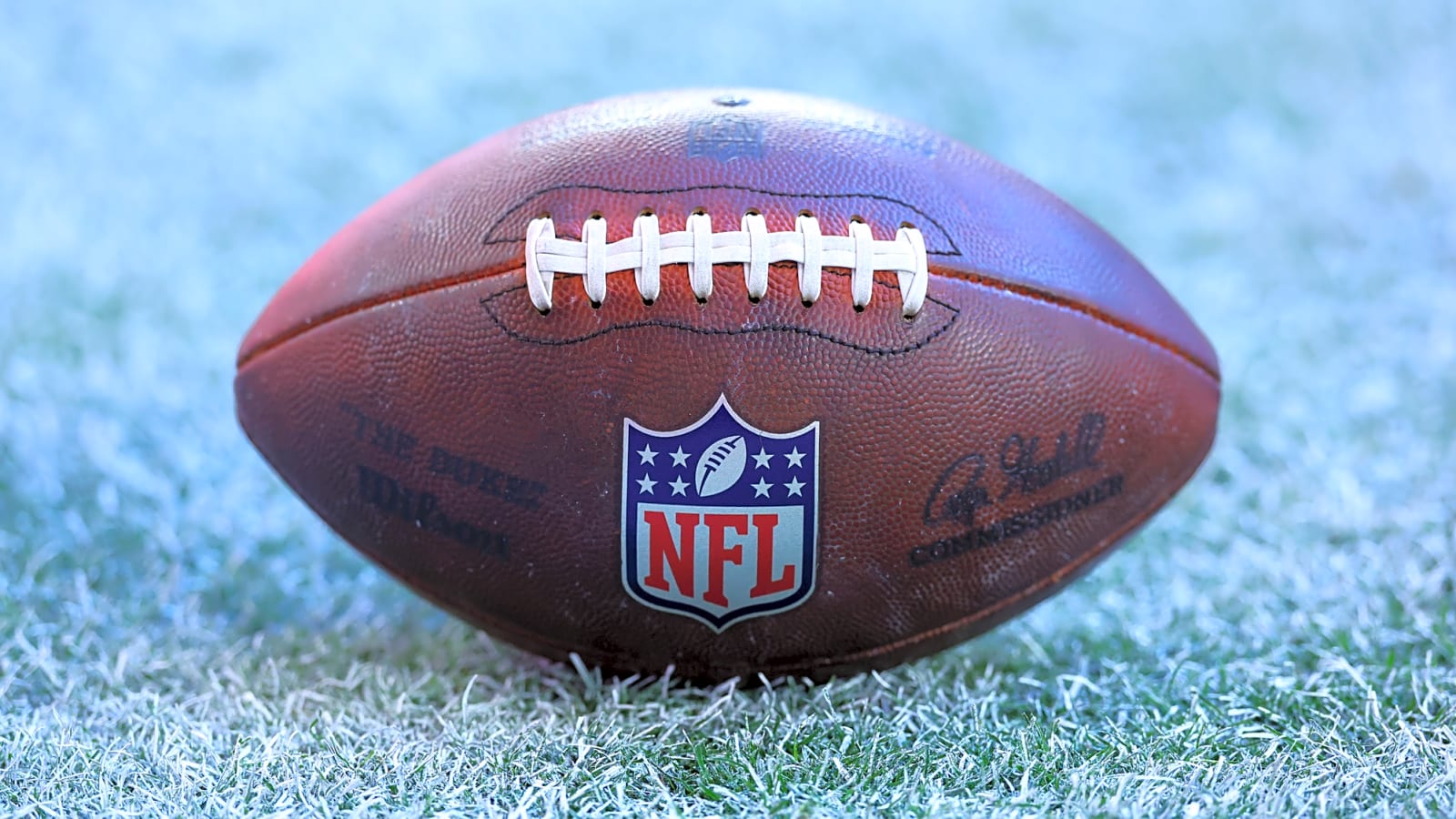
Franchise tag no longer seems to be major strategy for NFL teams
The NFL's 32 teams had until 4 p.m. ET on Tuesday to make their decision on whether or not they would use the franchise or transition tag on pending free agents. In the end, the franchise tag was used just three times and the transition tag was used one time.
Full list of tagged NFL players
- Franchise tag: George Pickens, wide receiver, Dallas Cowboys
- Franchise tag: Kyle Pitts, tight end, Atlanta Falcons
- Franchise tag: Breece Hall, running back, New York Jets
- Transition tag: Daniel Jones, quarterback, Indianapolis Colts
The three players getting franchise tagged continues a recent trend that has seen teams use it less and less in recent years. It is now to the point where teams seem to be looking to avoid using it as much as players want to avoid having it placed on them.
Teams continue to seek more cap-friendly options than franchise tag
The franchise tag used to be a massive strategy for NFL teams every offseason, especially during the 2010s and early parts of the 2020s. Between 2015 and 2024, there were at least five franchise tags issued in every single offseason, including 10 during the 2021 offseason and 15 during the 2020 offseason. Back in 2012, an incredible 21 franchise tags were placed on players in one offseason.
But over the past two offseasons, that number has dropped to just five total. There were only two franchise tags issued a year ago (Tee Higgins with the Cincinnati Bengals and Trey Smith with the Kansas City Chiefs) and only the aforementioned three this offseason.
While the overall strength of the free-agent classes likely plays a role in that, it is also quite likely that teams just do not see the franchise tag as a cost-effective or cap-friendly way to deal with players. Not to mention the headaches that come from it when it comes to trying to negotiate a deal with a player on a franchise tag.
It makes much more sense for teams to proactively get players signed to longer-term deals that keep them from even getting close to free agency. With the rising cost of player salaries across the league, especially as the salary cap increases, the top-five salaries at a lot of positions (franchise-tag numbers are the average of the five highest-salaries at each position), the cost of putting the tag on a player at a premium position is often times massive, and perhaps more than what teams are willing to pay, even on a one-year deal.
At other positions, like some of the interior offensive line positions, off-ball linebackers and running backs, teams are typically confident in their ability to find younger, cheaper talent in the incoming draft classes that do not require them to invest big money.
There are some instances where the tag makes sense. The Pickens-Cowboys situation is one of them. Dallas is unlikely to find a better wide receiver on the open market and knows it needs to keep a big part of its offense. It is also a team that tends to drag out long-term contract negotiations and is not always proactive in getting them signed.
When it comes to a lot other teams, and with players that are not quite on Pickens' level, it just does not make much sense to spend that much cap space on a player that you might be able to replace on a better deal with fewer headaches. It is just not much of a priority for teams these past few years.
More must-reads:
- Five potential Kenneth Walker III destinations after Seahawks' franchise-tag decision
- Why Colts reportedly made Daniel Jones, Alec Pierce decisions ahead of tag deadline
- The 'Most 10-sack NFL seasons' quiz
Breaking News
Trending News






Customize Your Newsletter
 +
+




Get the latest news and rumors, customized to your favorite sports and teams. Emailed daily. Always free!
PRIVACY POLICY COOKIE POLICY CONTACT US
ABOUT YARDBARKER TERMS OF SERVICE


By using this site, you agree to our Terms of Service and Privacy Policy.
This site is for entertainment purposes only.
There is no gambling offered on this site.
Gambling Problem? Call 1-800-Gambler.
