-

-


Follow Us
-

 On Facebook
 On Flipboard

5 things to know before MLB’s CBA expires on Dec. 1
Less than two weeks. That's how long is left on the clock before Major League Baseball completely stops.
MLB's current collective bargaining agreement expires Dec. 1 at 11:59 p.m. ET. If there's no new deal by then, the owners will lock the players out on Dec. 2, and the sport goes dark until somebody blinks.
Here's what you need to know before it happens.
The MLB lockout isn't a threat anymore, but rather the plan
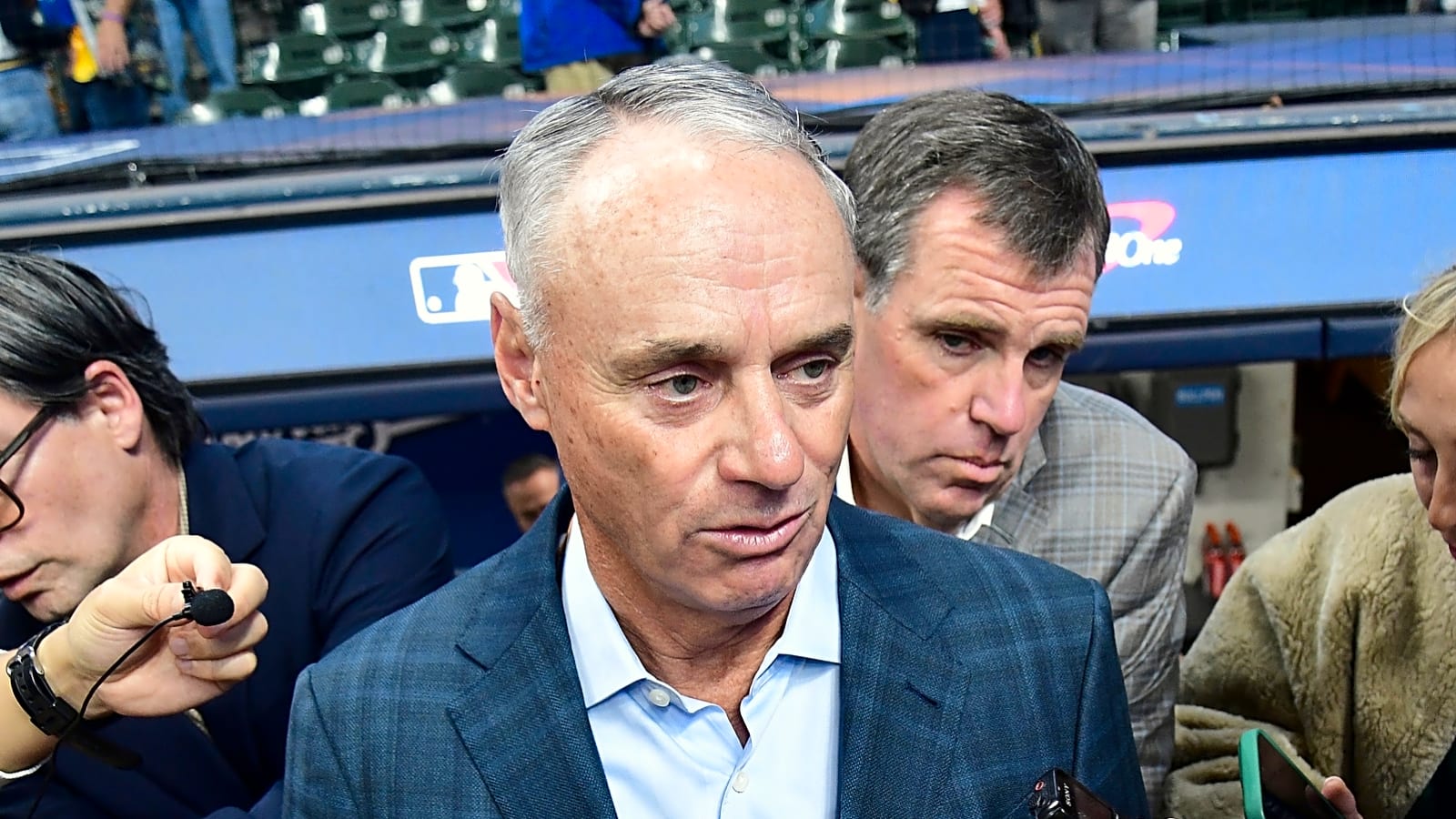
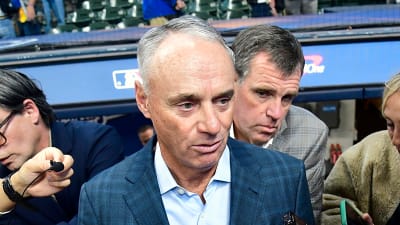
Commissioner Rob Manfred has made it clear the owners will lock the players out when the current CBA expires. Nobody who covers this sport expects a deal. The only question is how long the shutdown lasts once it starts.
This is about a salary cap, the first real push for it in MLB since 1994
The owners' Nov. 3 proposal calls for a hard cap of $258.2 million and a floor of $180.2 million, delayed until 2028 as a transition year. For 2027, it adds a $1 million minimum for players with at least two years of service, $900,000 for players with less and a 30 percent boost to the pre-arbitration bonus pool.
Countering, the union, led by interim executive director Bruce Meyer, rejected it and offered with a $300 million luxury tax threshold instead.
Players have refused a salary cap for 30 years. That's the crux of the fight...and it's the reason nothing else is getting done.
The November sprint is real...and the end is drawing near
Everything is getting done now because none of it can get done after Dec. 2 and before a new CBA is in place. The qualifying-offer decisions came due Nov. 17 with only New York Yankees reliever David Bednar and Minnesota Twins catcher Ryan Jeffers accepting the $23.15 million (five others turned it down). The non-tender deadline is Friday, Nov. 20.
Tarik Skubal is reportedly trying to sign the richest pitching contract in history before the freeze, meeting with the New York Mets, Los Angeles Dodgers, Toronto Blue Jays and San Diego Padres. The timing is important because, once the lockout starts, the market stops mid-sentence. Whatever isn't done stays undone until there's a new agreement.
What freezes and what doesn't during a lockout
When the lockout starts, teams can't sign free agents, complete trades involving 40-man roster players or hold salary arbitration hearings. Communication stops entirely as well. Teams can have no contact with locked-out players, who will have no access to club facilities or medical staff.
The Winter Meetings, set for Dec. 7-9 in San Diego, are expected to be canceled, along with the Rule 5 draft and the MLB draft lottery.
So what keeps going? Minor league operations, signings of players not on a 40-man roster and the Jan. 15 international signing period (for now, although that could change).
While the MLB transaction wire goes quiet, the rest of the sport doesn't.
The players could have another option on their side
The Wall Street Journal's Jared Diamond reported the players' union could disclaim interest during the lockout, meaning it could dissolve itself as a union and become a trade association, giving up its labor-law protections. Gabe Feldman, who runs the Tulane Sports Law Program, called it "the nuclear option, where you are ending any hope, in the short term at least, of a negotiated settlement."
For now it's a contingency, not a filing...but it tells you how far apart these sides are.
The last lockout lasted 99 days, from Dec. 2, 2021 to March 10, 2022, and no games were lost. This time, MLB insider Bob Nightengale reported a growing number of executives expect the 2027 season to open around Memorial Day weekend. Spring training games are scheduled to begin on Feb. 19, 2027 while the first regular-season game is slated for March 24. However, everything is on hold until there's a deal.
The last time MLB stopped, it came back in time to save a 162-game season. Nobody on either side is betting on that this time.


More must-reads:
- Blue Jays' lack of left-handed depth calls for reliable southpaw Alex Vesia
- Mets' meeting with Tarik Skubal reportedly 'went very well,' but 'two mystery teams' loom
- The 'Pitching Triple Crown winners' quiz
Breaking News
Trending News


Customize Your Newsletter
 +




Get the latest news and rumors, customized to your favorite sports and teams. Emailed daily. Always free!
PRIVACY POLICY COOKIE POLICY CONTACT US
ABOUT YARDBARKER TERMS OF SERVICE


By using this site, you agree to our Terms of Service and Privacy Policy.
This site is for entertainment purposes only.
There is no gambling offered on this site.
Gambling Problem? Call 1-800-Gambler.