
-

-


Follow Us
-

 On Facebook
 On Flipboard

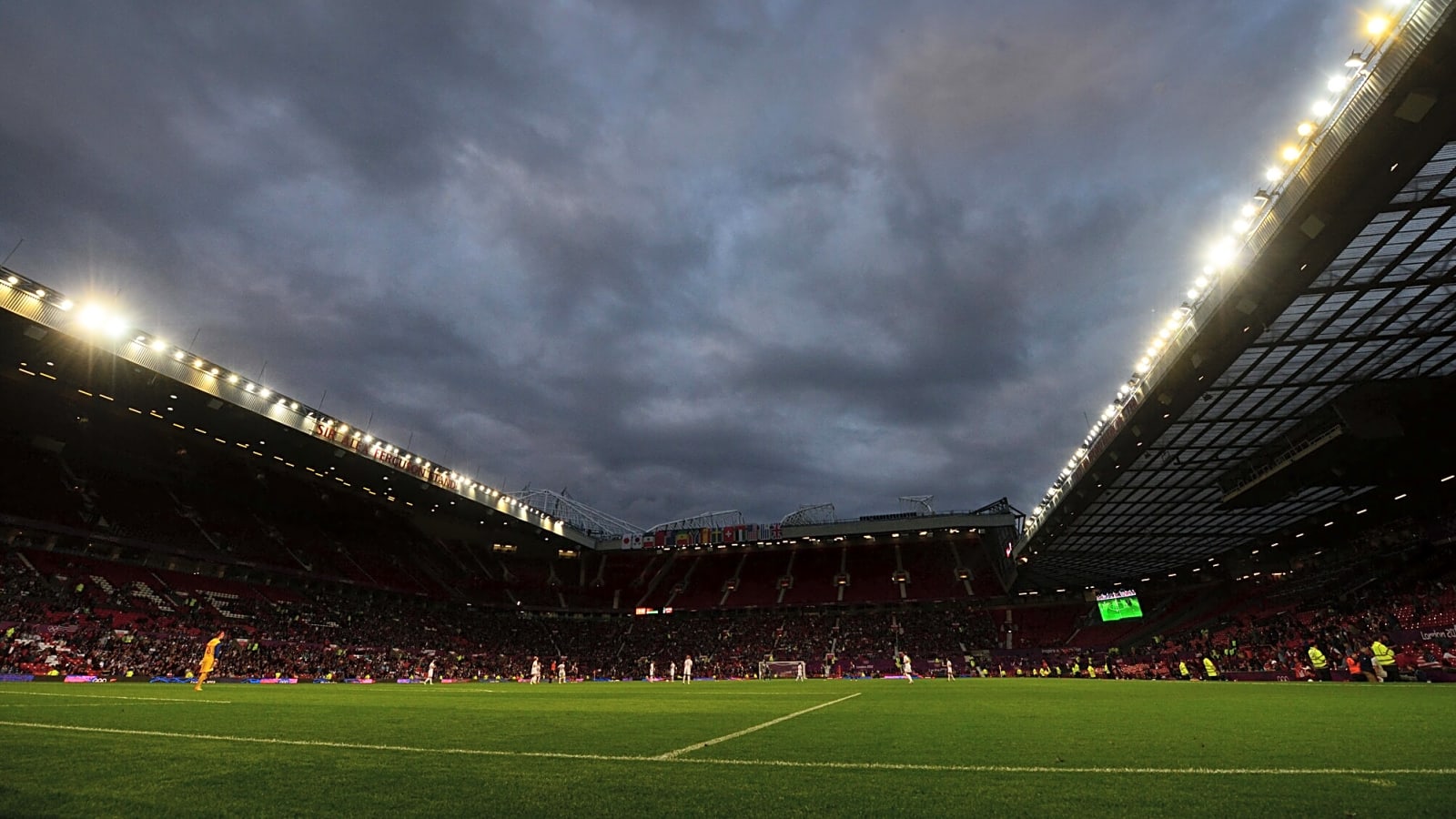
Manchester United’s season continues to move in unpredictable directions as Ruben Amorim battles through injuries, squad reshuffles and the pressure of keeping pace with the Premier League’s top four.
Recent performances have been encouraging, but the club remain eight points off the summit, leaving supporters hopeful yet cautious as 2026 approaches.
Off the pitch, United’s commercial department has been juggling negotiations for a new training-kit partner after the Tezos deal ended without renewal.
Even transfer activity has shaped the bigger financial picture, with the decision to cash in on Alejandro Garnacho for £40m playing a major role in stabilising the books.
And with Ineos now deep into their restructuring programme, every financial development carries weight for the long-term path of the club.
Only after all that context has settled has a significant development occured behind the scenes, revealing United’s operating profits of £13.3m, marking an early sign that Ineos intervention is starting to reshape the club’s internal structure.
This figure stands in stark contrast to the £6.9m loss recorded at the same stage last year, although the improvement has not come through increased revenue, with commercial, broadcast and matchday income all dropping due to the absence of European football.
Instead, the turnaround stems from a reduction in player wages and staff costs, which helped push underlying earnings up to £26.9m.
Chief Executive Officer Omar Berrada set out the club’s position clearly, stating: “These robust financial results reflect the resilience of Manchester United as we make strong progress in our transformation of the club.
“The difficult decisions we have made in the past year have resulted in a sustainably lower cost base and a more streamlined, effective organisation equipped to drive the club towards improved sporting and commercial performance over the long-term.
“That has helped us to invest in our men’s and women’s teams, sitting in sixth and third places in the Premier League and Women’s Super League respectively.”
Last season’s record £666.5m revenue had still produced a £33m loss, so the club now project a more modest £640m–£650m this year.
Meanwhile, the financial strain persists: United’s gross borrowings reached £748m by 30 September, after drawing £105m from the revolving credit facility, illustrating that the club’s margin for error remains slim, as reported by the Daily Mail.
The lack of a training-kit partner reduced sponsorship income by nine per cent, while wages fell by eight per cent due to redundancies and reduced bonuses, further reflecting Ineos tightening of operational costs.
Although the club’s form has improved under Amorim after finishing 15th last season, financial discipline remains central to the long-term rebuild.
United may be climbing the Premier League table, but these figures show that the transformation behind the scenes is every bit as important as the one happening on the pitch.
More must-reads:
- World Cup 2026 Wednesday takeaways: Mexico is perfect, South Africa is chaos and Korea and Scotland are on the brink
- USA-Turkiye: Three factors that could decide the USMNT's third World Cup fixture
- The '2nd-overall NBA Draft picks' quiz
Breaking News
Trending News





Customize Your Newsletter
 +
+




Get the latest news and rumors, customized to your favorite sports and teams. Emailed daily. Always free!
PRIVACY POLICY COOKIE POLICY CONTACT US
ABOUT YARDBARKER TERMS OF SERVICE


By using this site, you agree to our Terms of Service and Privacy Policy.
This site is for entertainment purposes only.
There is no gambling offered on this site.
Gambling Problem? Call 1-800-Gambler.
