
-

-


Follow Us
-

 On Facebook
 On Flipboard
 On Twitter
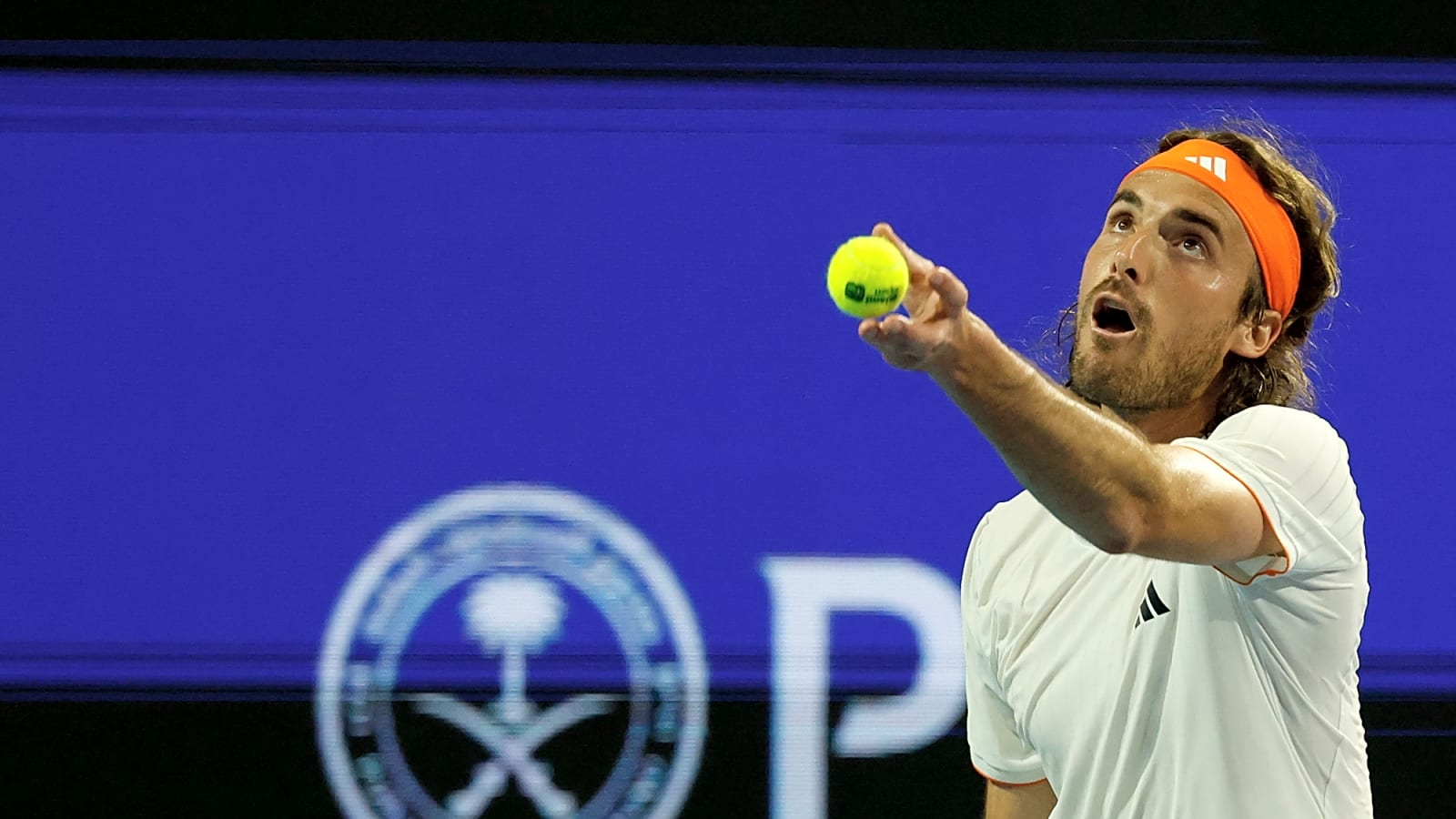
The world of professional tennis is basically reality television with better cardio. And if you’ve been paying attention to the recent coaching carousel, you already know that the sudden, jarring split between Goran Ivanisevic and Stefanos Tsitsipas was the season finale nobody asked for, yet everyone saw coming.
When you pair a notoriously intense, no-nonsense Wimbledon champion with a free-spirited, philosophy-quoting Greek superstar, you aren’t exactly brewing a recipe for long-term stability. You are lighting a match next to a powder keg of clashing personalities. Recently, Ivanisevic let the cat out of the bag, revealing the exact moment he knew this grand experiment was destined to fail. Spoiler alert: it didn’t take him very long.
A Match Made In Tennis Purgatory
To understand why this fell apart, we have to look at why it started in the first place. Stefanos Tsitsipas is undeniably one of the most gifted shot-makers of his generation. The guy has a forehand that belongs in the Louvre and hair that belongs in a shampoo commercial.
But for all his raw, unfiltered talent, he has repeatedly slammed headfirst into a mental wall during the biggest matches of his career. Brutal runner-up finishes at the French Open and the Australian Open have left fans wondering if he possesses the killer instinct required to actually lift a Grand Slam trophy.
Enter Goran Ivanisevic. The man is a legend, not just for his own playing career, but for his masterclass in coaching Novak Djokovic. If anyone could inject some cold-blooded, ice-in-the-veins mentality into Tsitsipas, the tennis world figured it was Ivanisevic. The goal was simple: sharpen the Greek star’s tactical edge and turn him into an unbreakable mental fortress.
The Breaking Point For Ivanisevic
Unfortunately, turning a poet into a prize-fighter is easier said than done. According to Ivanisevic, the red flags started flying almost immediately. The Croatian coach is famous for his direct, borderline ruthless approach to training and match preparation. He demands absolute focus. Tsitsipas, on the other hand, operates on a different emotional frequency.
Ivanisevic recently disclosed that he recognized the partnership was a lost cause early on in their training sessions. He noted a glaring lack of mental preparedness and a missing layer of resilience needed to survive the critical, lung-burning moments of a five-set war. When the pressure dialed up, the coaching philosophy of Ivanisevic simply wasn’t connecting with Tsitsipas. It was like trying to teach calculus to a guy who just wants to paint a sunset.
The Clash Of Court Philosophies
You can’t really blame either guy here. It’s just a fundamental mismatch of human wiring. Ivanisevic spent years in the trenches with Djokovic, a player who feeds on discipline, pressure, and the tears of opposing fans. Ivanisevic’s coaching style is built entirely on intensity.
Tsitsipas has always been a different breed. He’s creative, emotional, and highly individualistic. The tennis world has long debated whether his unique approach to the game is his biggest strength or his fatal flaw.
While analysts across the sport agree that bridging the gap between raw physical talent and mental toughness is the hardest leap in tennis, this particular duo was never going to build that bridge. Ivanisevic realized that while the physical tools were all there, the mindset was a locked door with no key in sight.
FAQ SECTION
Q: What happened in the Ivanisevic‑Tsitsipas partnership?
A: Ivanisevic joined Tsitsipas’s team but quickly realized the player wasn’t mentally prepared for his coaching style, leading to an early split.
Q: Who is involved?
A: Goran Ivanisevic, former Wimbledon champion and Djokovic’s coach, and Stefanos Tsitsipas, a Greek ATP star.
Q: Why is this news important?
A: It highlights the challenges Tsitsipas faces in achieving consistency and underscores the importance of mental resilience in tennis.
Q: What are the next steps?
A: Tsitsipas will likely seek new coaching arrangements and focus on strengthening his mental game ahead of upcoming tournaments.
Where Does Stefanos Go From Here?
So, what is the immediate fallout of this high-profile breakup? For Ivanisevic, his legacy is completely untouched. He remains one of the sharpest minds in modern tennis and will undoubtedly have his pick of top-tier players knocking on his door.
For Tsitsipas, the road ahead is significantly murkier. He is once again without a high-profile, battle-tested mentor, and the clock is ticking. The sports world will be watching closely to see who he brings into his box next. Will he retreat to the familiar, comfortable embrace of his father, Apostolos, who has been a near-constant (and heavily scrutinized) presence in his career? Or will he take another swing at hiring an outside voice?
Ultimately, this split proves one inescapable truth about professional sports: you can hire the greatest coach on the planet, but if the player isn’t mentally aligned with the message, you’re just burning money and killing time. Tsitsipas has the game to be a champion. Whether he can find the mindset remains the biggest mystery in men’s tennis.
More must-reads:
- Lakers' Austin Reaves out for remainder of season
- Buffalo Sabres clinch playoff spot, end longest postseason drought in NHL history
- The 'NCAA men's basketball champions' quiz
Breaking News
Trending News








Customize Your Newsletter
 +
+




Get the latest news and rumors, customized to your favorite sports and teams. Emailed daily. Always free!
PRIVACY POLICY COOKIE POLICY CONTACT US
ABOUT YARDBARKER TERMS OF SERVICE


By using this site, you agree to our Terms of Service and Privacy Policy.
This site is for entertainment purposes only.
There is no gambling offered on this site.
Gambling Problem? Call 1-800-Gambler.
