
-

-


Follow Us
-

 On Facebook
 On Flipboard
 On Twitter

Tennis players today enjoy a level of power and independence that’s very different from the sport’s earlier days. Many have their own teams and resources backing them, separate from official structures.
But it wasn’t always like this. Players used to have a much tougher time making their voices heard, especially when it came to pay and treatment that matched what they were bringing to the game.
Still, there was never a shortage of strong opinions back then. Plenty of players weren’t shy about speaking out on issues they cared about, whether it was something personal or a broader matter within the sport.
One of the more striking examples came in 1977 when an Australian Grand Slam champion said he wouldn’t step back onto the court until tennis banned one particular piece of equipment.
Ilie Nastase’s stand against a controversial racket
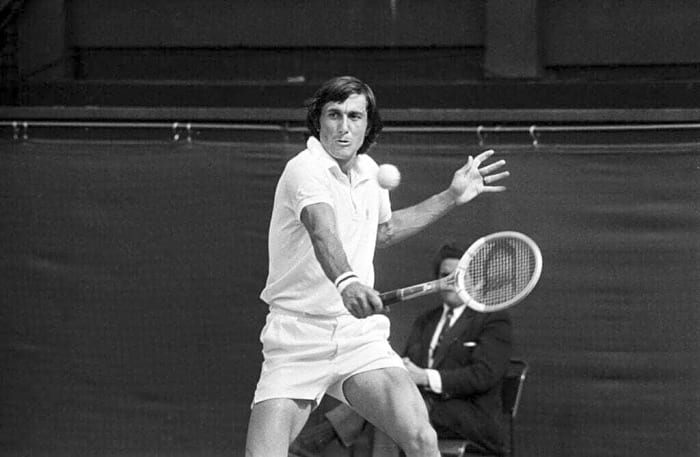
Ilie Nastase, Romania’s most prominent tennis player, had already established himself as a major figure in the sport by the time this issue arose. His status and reputation meant that his views were hard to ignore.
He used his platform to push back against the spaghetti racket, a piece of equipment that had become increasingly controversial. The racket, designed in the early 1970s by German Werner Fischer, used a double-strung system with five pairs of cross strings. This setup made it much easier to generate heavy topspin and allowed even less experienced players to challenge top professionals more effectively. Naturally, this did not sit well with Nastase.
Following a loss to an opponent using the racket, Nastase said: “That’s the first time I’ve played against someone using one of those things. It’s also the last. In future, I shall refuse to play.”
Ironically enough, he ended up using the same racket before it was officially banned in 1978.
While it is no longer part of professional tennis, the spaghetti racket played a significant role in shaping modern equipment regulations – changes that are still evolving today.
Ilie Nastase’s impact on tennis and the game he left behind
There was a time when Nastase could make a case for being the best player in the world, though it was his later induction into the Tennis Hall of Fame in 1991 that cemented that legacy.
Nastase’s best years came in the early 1970s, well before the controversy around equipment. He broke through at the US Open in 1972, then added a French Open title in 1973. While he never lifted the Wimbledon trophy, he did reach two finals there during his career.
He didn’t limit himself to singles success either. Nastase also found success in doubles, picking up another five Grand Slam titles and showing he could adapt his game to different formats.
Now at 79, Nastase stands as an example of how players who speak up for what they believe can help shape changes within their sport.
If nothing else, those unhappy with today’s crowded tennis calendar might do well to follow his lead.
More must-reads:
- One pressing issue each SEC football team must address this spring
- A new era begins for Pirates with Konnor Griffin's anticipated MLB debut
- The 'NBA yearly free throw leaders' quiz
Breaking News
Trending News








Customize Your Newsletter
 +
+




Get the latest news and rumors, customized to your favorite sports and teams. Emailed daily. Always free!
PRIVACY POLICY COOKIE POLICY CONTACT US
ABOUT YARDBARKER TERMS OF SERVICE


By using this site, you agree to our Terms of Service and Privacy Policy.
This site is for entertainment purposes only.
There is no gambling offered on this site.
Gambling Problem? Call 1-800-Gambler.
