
-

-


Follow Us
-

 On Facebook
 On Flipboard

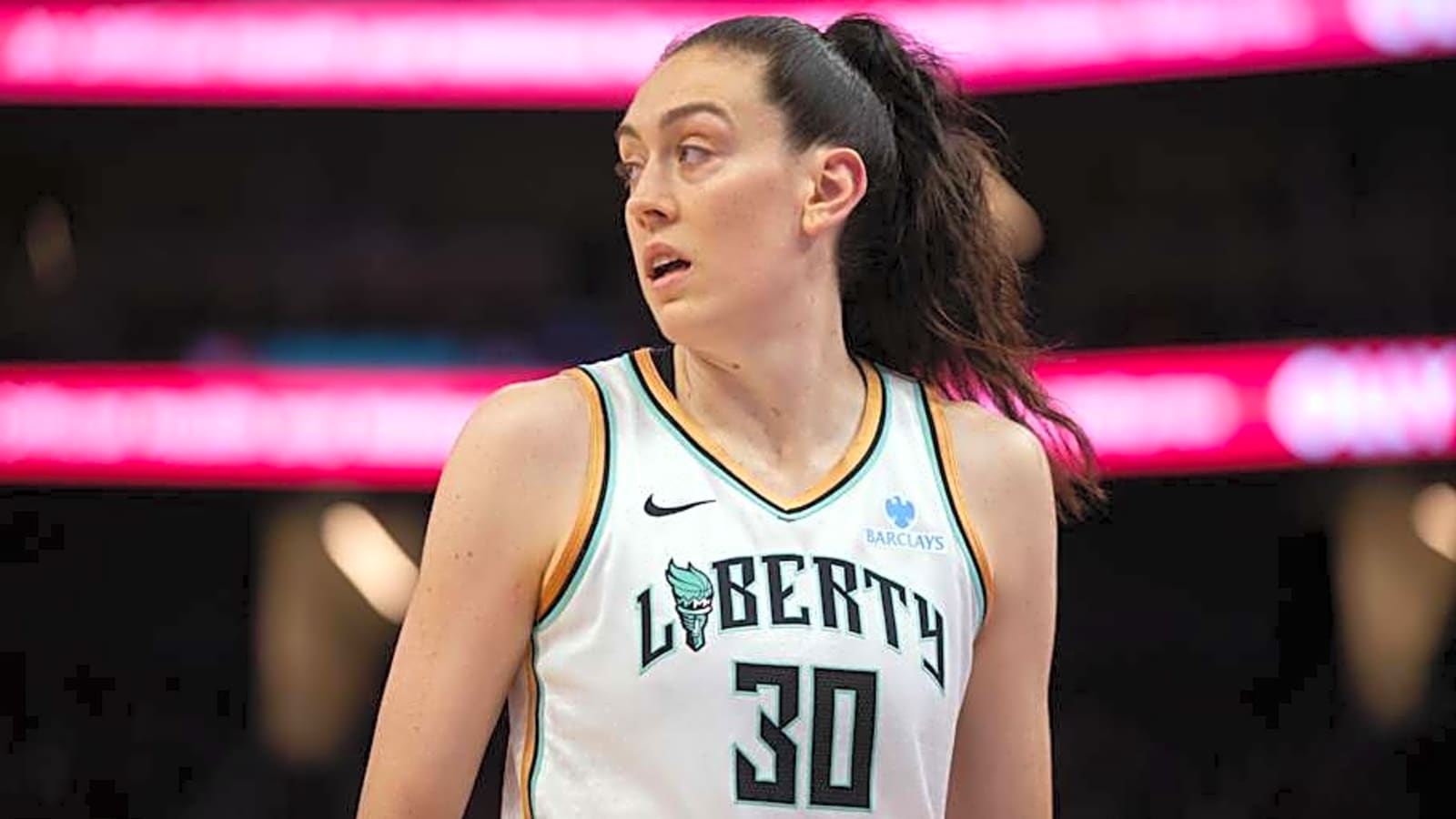
New York Liberty's Breanna Stewart isn't particularly concerned about the emergence of Project B, a new professional women's basketball league set to launch in 2026. The league, which will operate from November through April, is positioning itself as an offseason alternative with a global footprint — one that includes plans to host games across Asia, Europe, and the Americas.
Project B will feature traditional 5-on-5 basketball, a format that appeals to a wide range of players accustomed to international competition. The league expects to include 48 WNBA players among a total of 66 roster spots, rounding out the field with global talent. Several prominent figures from the women's basketball world are involved as investors, further signaling the league's ambition and credibility.
So far, two members of the New York Liberty — Jonquel Jones and Leonie Fiebich—have been announced as participants. Their inclusion immediately raised questions about how Project B might intersect with other emerging leagues, particularly Unrivaled, which is currently preparing for its upcoming season.
Stewart, however, views the situation with a perspective shaped by experience and leadership. When asked for her initial reaction to the announcement, she framed Project B not as a threat, but as a reflection of progress within the women's basketball ecosystem.
Learning From What Already Works
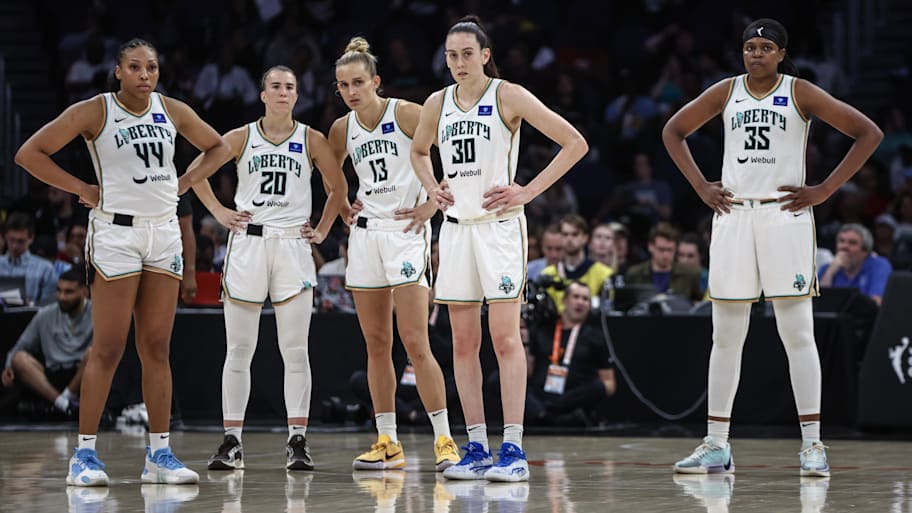
"My immediate thoughts when I found out about Project B is they saw what works. They saw the success that we have here at Unrivaled, and they wanted that in their own way. What we're doing here is very special, prioritizing players and their bodies."
Stewart's comments highlight a key distinction. Unrivaled, which operates as a 3-on-3 league in a single centralized location, was intentionally designed to reduce travel demands and physical strain. That player-first model, Stewart suggests, is a part of what has drawn attention—and imitation.
Different Structures, Different Goals
When asked whether she views Project B as a direct competitor, Stewart was measured in her response. "Project B has a lot that's still in the works, until they're on the ground and running, no"
She went on to clarify the structural differences between the two leagues. "It's just different ,we're playing 3-on-3 and staying in one city, they're playing 5-on-5 and going all over the place."
The contrast underscores why the two leagues are unlikely to directly clash. Their formats, schedules, and physical demands cater to different player priorities.
Choice, Not Conflict
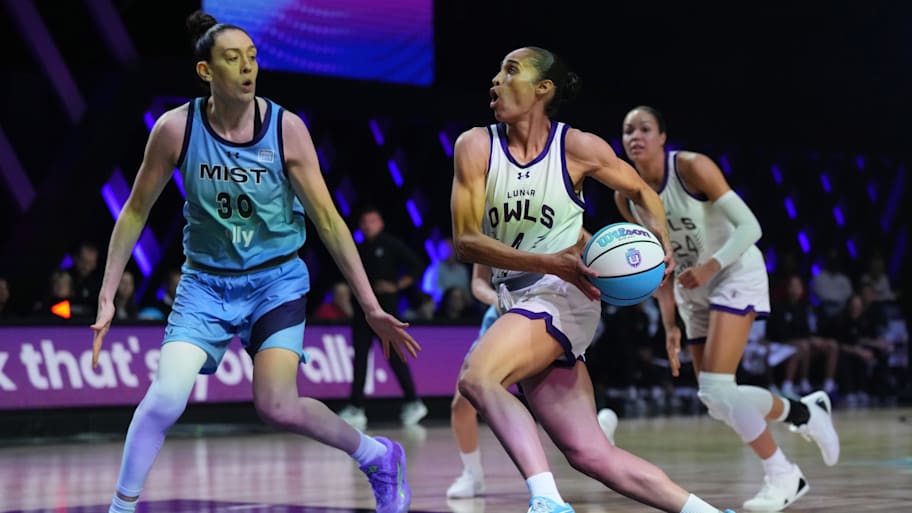
"Salaries, comparatively speaking, are similar. It depends on what you want to do, travel all over or stay here in one place for 10 weeks."
That framing reinforces the idea that Project B expands options rather than creates competition within the same lane. For players who prefer traditional 5-on-5 play without committing to a single overseas league in a single destination, Project B offers an alternative.
The Real Impact on the Global Game
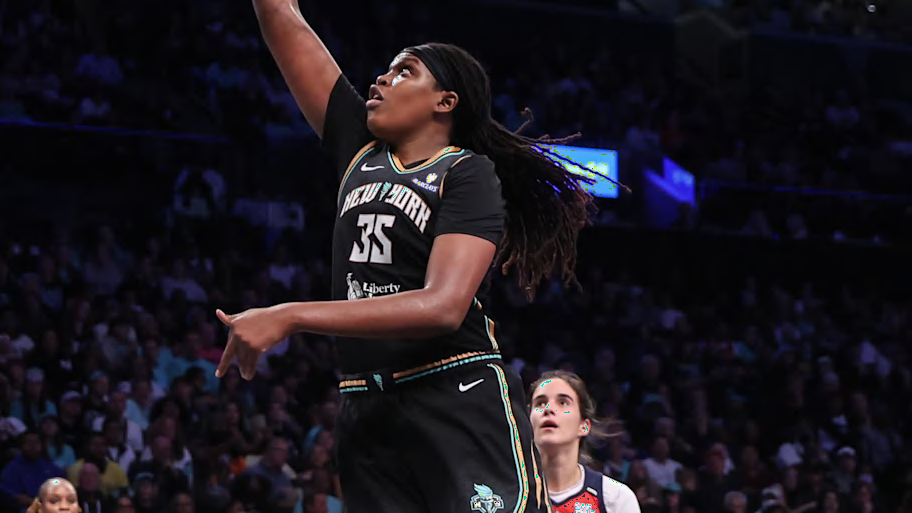
While Unrivaled is unlikely to feel significant effects, Project B could have ripple effects across established international leagues. EuroLeague Women, the WCBA in China, the WNBL in Australia, and other overseas leagues may face increased competition for talent—particularly from players who have historically relied on those leagues for offseason income.
For Stewart, the broader takeaway is clear: Project B doesn't threaten Unrivaled's mission. Instead, it reshapes the global offseason marketplace, offering players more control over how, where, and when they play.
In that sense, the emergence of Project B represents not a rivalry—but another sign that women's basketball is finally building the depth, diversity, and leverage players have long deserved.
More must-reads:
- Caitlin Clark hints at frustration with Fever
- Are off-court distractions sapping Caitlin Clark's three-point shooting?
- The 'MLB All-Star Game MVPs' quiz
Breaking News
Trending News




Customize Your Newsletter
 +
+




Get the latest news and rumors, customized to your favorite sports and teams. Emailed daily. Always free!
PRIVACY POLICY COOKIE POLICY CONTACT US
ABOUT YARDBARKER TERMS OF SERVICE


By using this site, you agree to our Terms of Service and Privacy Policy.
This site is for entertainment purposes only.
There is no gambling offered on this site.
Gambling Problem? Call 1-800-Gambler.
