
-


Follow Us

 On Facebook
 On Flipboard
 On Twitter

Michigan State basketball is now 19–3 on the season following a tough home loss to No. 3 Michigan. Heading into halftime, the Spartans trailed 42–26 after shooting an abysmal 7-of-26 from the field and 1-of-11 from three-point range.
Coming out of the locker room for the second half, Michigan State looked like a completely different team. The Spartans opened the half on a 15–4 run before the first media timeout, quickly cutting the deficit to just five points. Michigan, however, was able to hold firm down the stretch and come away with the win.
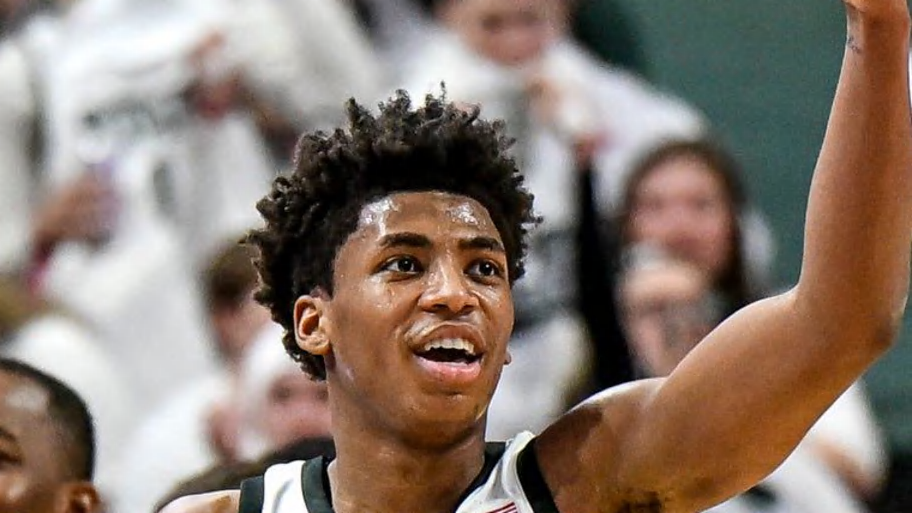
After scoring a career-high 29 points in an overtime victory against Rutgers, Jeremy Fears once again broke his career high, finishing with 31 points. Fears took over for the Spartans in the second half and was the main reason Michigan State was able to climb back into the game.
In addition to Fears, three other Spartans scored in double figures. Coen Carr finished with 10 points on 3-of-8 shooting from the field, while Jaxon Kohler added 12 points on 4-of-13 shooting, including 2-of-7 from beyond the arc. Off the bench, Jordan Scott provided a big spark with 10 points, four rebounds, two steals, and a block.
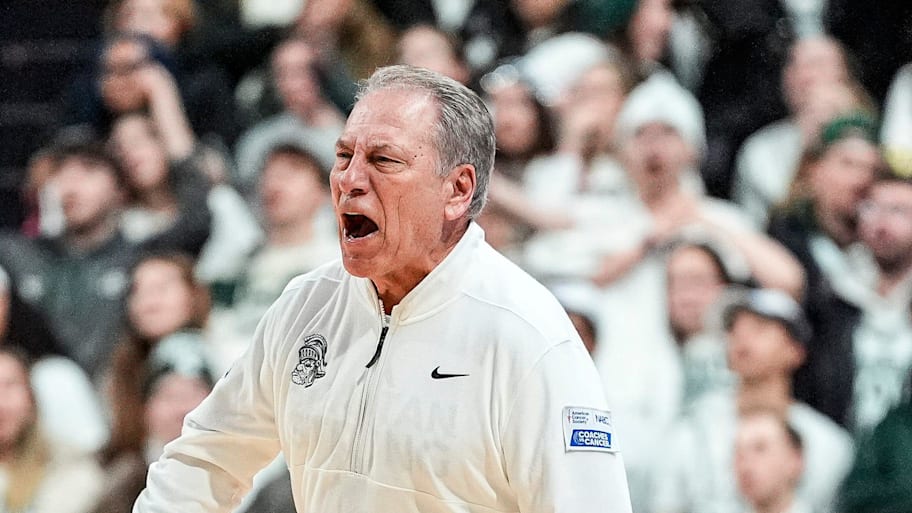
Now, Michigan State will travel to Minnesota looking to bounce back against the Golden Gophers. If the Spartans are going to come away with a win, they will need to focus on several key Minnesota players.
Cade Tyson
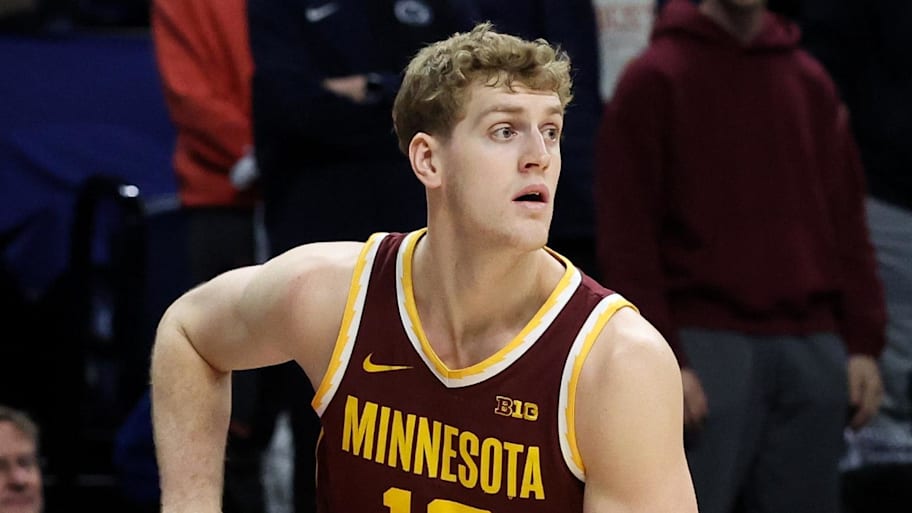
Tyson spent his first two seasons in college basketball at Belmont, averaging 14 and 16 points per game before transferring to North Carolina. As a Tar Heel, Tyson struggled to find consistent playing time, appearing in 31 games while averaging just eight minutes and 2.6 points per game.
Tyson entered the transfer portal again and landed at Minnesota, where he has immediately played to his full potential. As a Golden Gopher, Tyson has become the go-to scorer, averaging a career-high 20 points per game on 50% shooting from the field and 38.5% from three-point range.
Tyson is not only a scorer at all three levels, but he has also done a strong job getting his teammates involved, averaging a career-high 2.6 assists per game.
Jaylen Crocker-Johnson
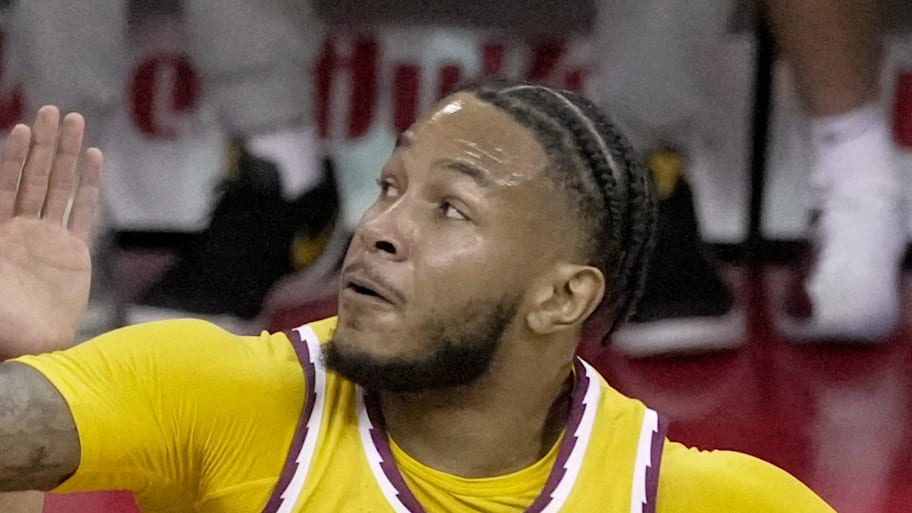
After spending his freshman season at Little Rock, Crocker-Johnson transferred to Colorado State to play under head coach Niko Medved. There, he averaged nine points per game on 49% shooting from the field and 35% from three-point range.
When Medved took the Minnesota job, Crocker-Johnson followed him and stepped into a much larger role. Although his shooting percentages have dipped slightly, he has nearly doubled his shot attempts. With the Gophers, Crocker-Johnson is averaging a career-high 13 points per game, along with career highs in rebounds (seven per game) and blocks (one per game).
Langston Reynolds
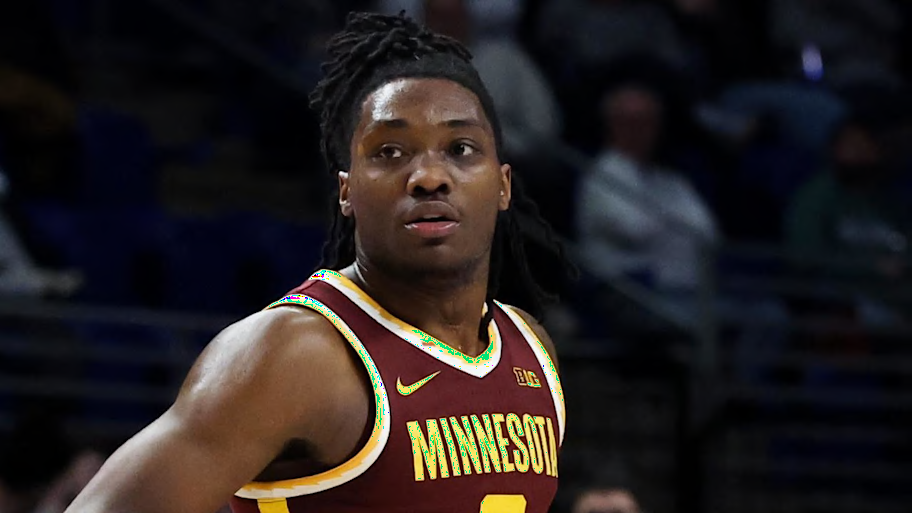
Reynolds played his first three seasons at Northern Colorado and improved each year. After averaging just 1.7 points per game as a freshman, Reynolds developed into a top scorer, averaging 16 points per game by his junior season.
Following that breakout year, Reynolds transferred to Minnesota. While his scoring numbers have dipped, he remains an important contributor. Reynolds is averaging 11 points per game and leads the team in assists with 4.3 per game.
The matchup with Minnesota presents a prime opportunity for Michigan State to reset after its home loss. Limiting Tyson’s scoring and controlling the pace of the game will be major priorities for the Spartans. If Michigan State can clean up its shooting struggles from the first half against Michigan and play with the intensity they showed after halftime, they should be able to bounce back.
- MSU's Fears Lands on Elite National Watchlist
- Why Scott’s Growing Role Key for MSU as March Approaches
- Spartans Refocus While Navigating Gauntlet of 5 Ranked Foes
- 3 Spartans Need to Step Up Against Golden Gophers
More must-reads:
- Five takeaways from AP Top 25 men's basketball poll
- Biggest questions for seven NFL teams that stood pat this offseason
- The 'Super Bowl starting QBs' quiz
Breaking News
Trending News







Customize Your Newsletter
 +
+




Get the latest news and rumors, customized to your favorite sports and teams. Emailed daily. Always free!
PRIVACY POLICY EDITORIAL POLICY CONTACT US
ABOUT YARDBARKER TERMS OF SERVICE


Use of this website (including any and all parts and
components) constitutes your acceptance of these
Terms of Service and Privacy Policy.
This site is for entertainment purposes only.
There is no gambling offered on this site.
Gambling Problem? Call 1-800-Gambler.
