
-

-


Follow Us
-

 On Facebook
 On Flipboard

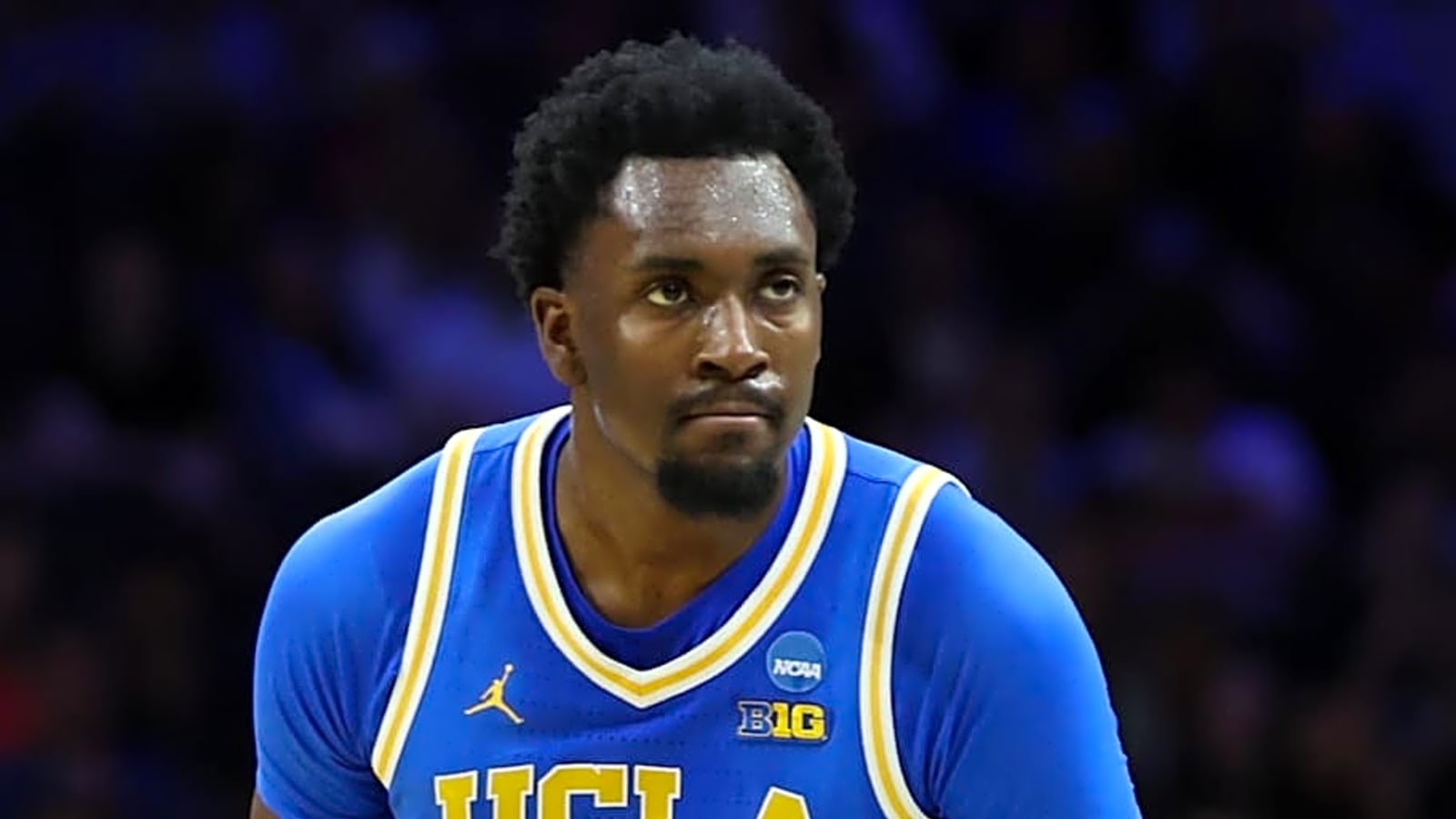
If one thing is clear, it is that UCLA has not fully addressed the center position this offseason.
Last season, UCLA never found a true answer at center. Xavier Booker showed flashes, but over time, it became clear he was not a long-term solution in that role. As a result, UCLA was forced to adjust its lineups, which ultimately limited the team’s ceiling.
Current Options on Roster
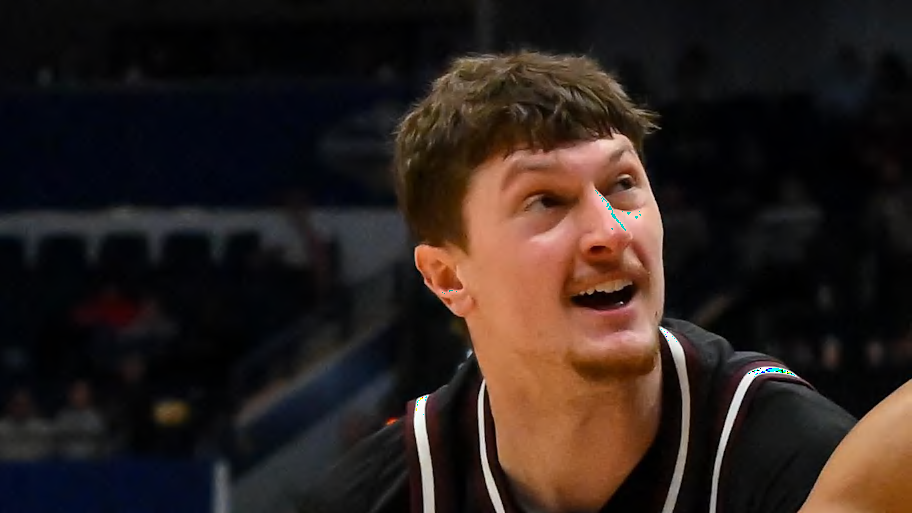
Right now, UCLA has several options to fill the position. Booker remains the most likely starter, with support from Javonte Floyd, Sergej Macura, and Filip Jovic. Each brings something different, but none are proven, traditional anchors in the paint.
From the outside, it appears UCLA has not aggressively pursued a true center in the portal. While multiple impact bigs have transferred elsewhere, UCLA has remained relatively quiet at the position. Perhaps, the Bruins have a big plan in mind but have not been able to seal the deal yet,
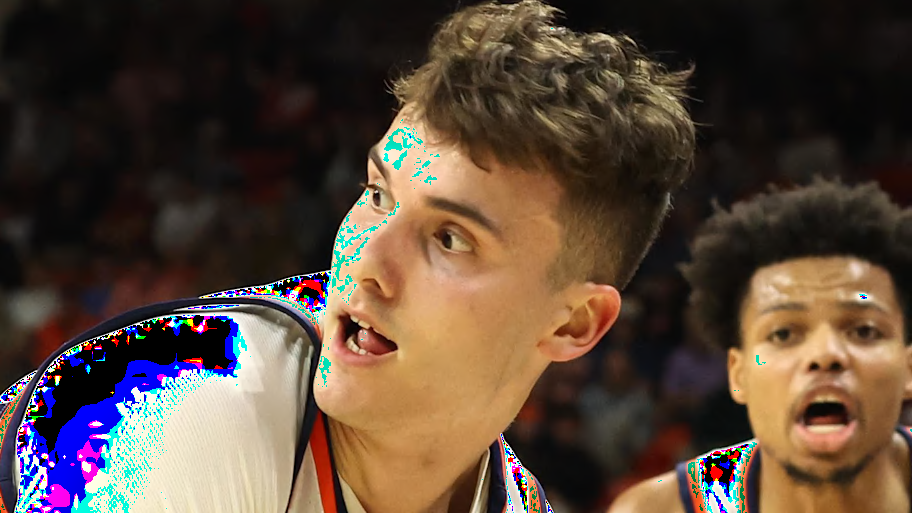
That raises valid questions, especially considering how much the lack of interior presence hurt the Bruins last season. With two roster spots still open, there is still time to address it — but the current approach suggests there may be a different plan.
Possible Explanations
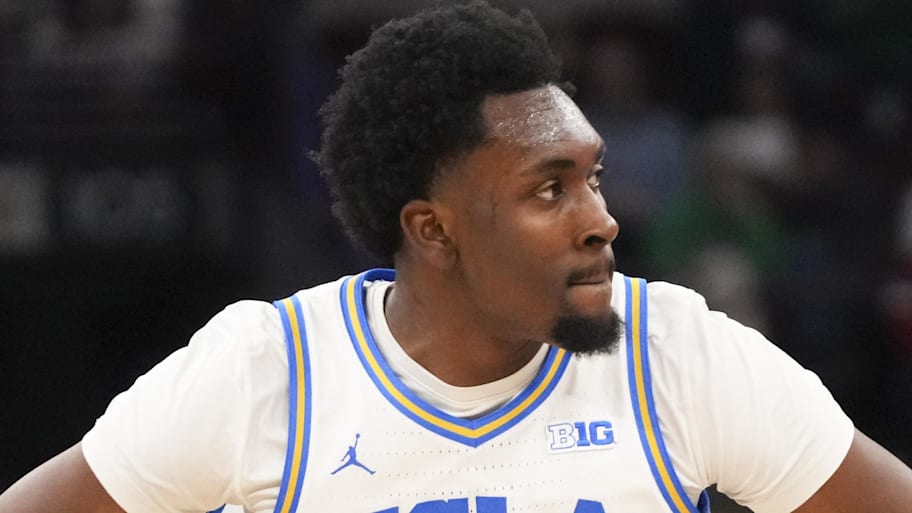
One explanation is trust in Booker’s development. Toward the end of the season, he began to show real progress. In UCLA’s final two games, he averaged 14 points, 6.5 rebounds, and 2.5 blocks while playing nearly 30 minutes per game. Those flashes may have been enough to convince the staff that he can handle the role moving forward.
Another factor is the additions UCLA has already made. Macura and Jovic both bring physicality and rebounding — areas in which UCLA struggled last season. While neither is a true center, they provide support in the frontcourt and could help compensate for the lack of size.
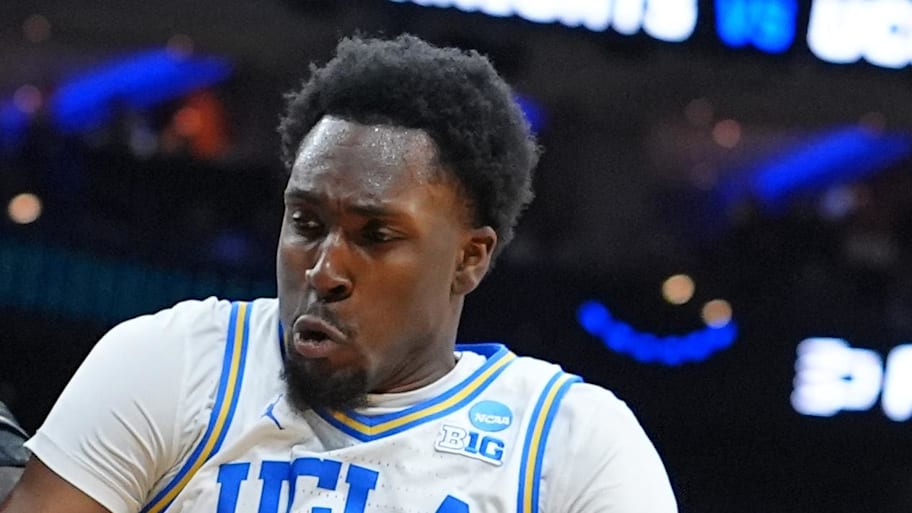
There is also a stylistic element to consider. Under Mick Cronin, UCLA has shown a willingness to play smaller lineups. Late last season, the Bruins were comfortable playing without a traditional center, prioritizing mobility, spacing, and defensive versatility.
Because of that, the lack of a true center may not be an oversight — it may be intentional.
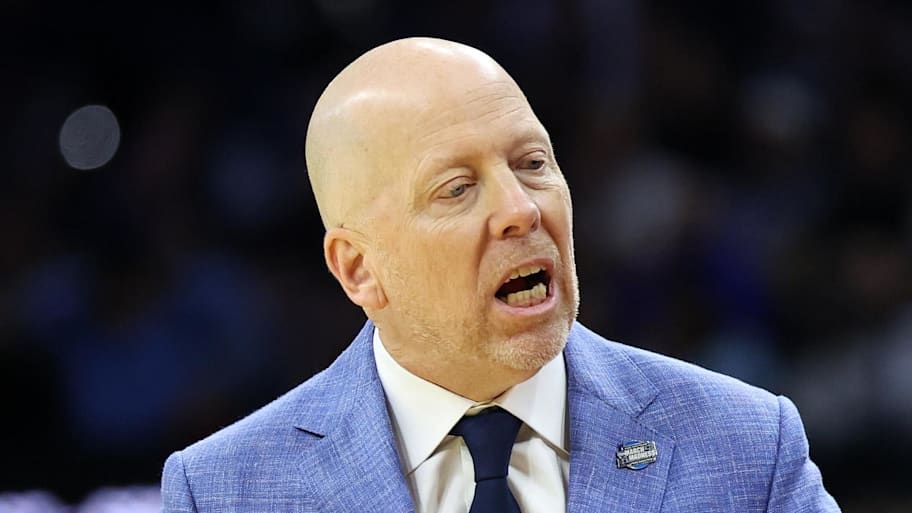
The bottom line is that UCLA’s approach to the center position appears to be by design. Rather than targeting a traditional big, the focus has been on improving rebounding, physicality, and flexibility. Whether that strategy works will ultimately determine how far this team can go next season.
More must-reads:
- Duke scores biggest 2026 transfer portal win with John Blackwell news
- Kentucky coach Mark Pope might be under even more pressure following Billy Donovan's Bulls decision
- The 'Playoff debut scoring-record by team' quiz
Breaking News
Trending News






Customize Your Newsletter
 +
+




Get the latest news and rumors, customized to your favorite sports and teams. Emailed daily. Always free!
PRIVACY POLICY COOKIE POLICY CONTACT US
ABOUT YARDBARKER TERMS OF SERVICE


By using this site, you agree to our Terms of Service and Privacy Policy.
This site is for entertainment purposes only.
There is no gambling offered on this site.
Gambling Problem? Call 1-800-Gambler.
