
-

-


Follow Us
-

 On Facebook
 On Flipboard
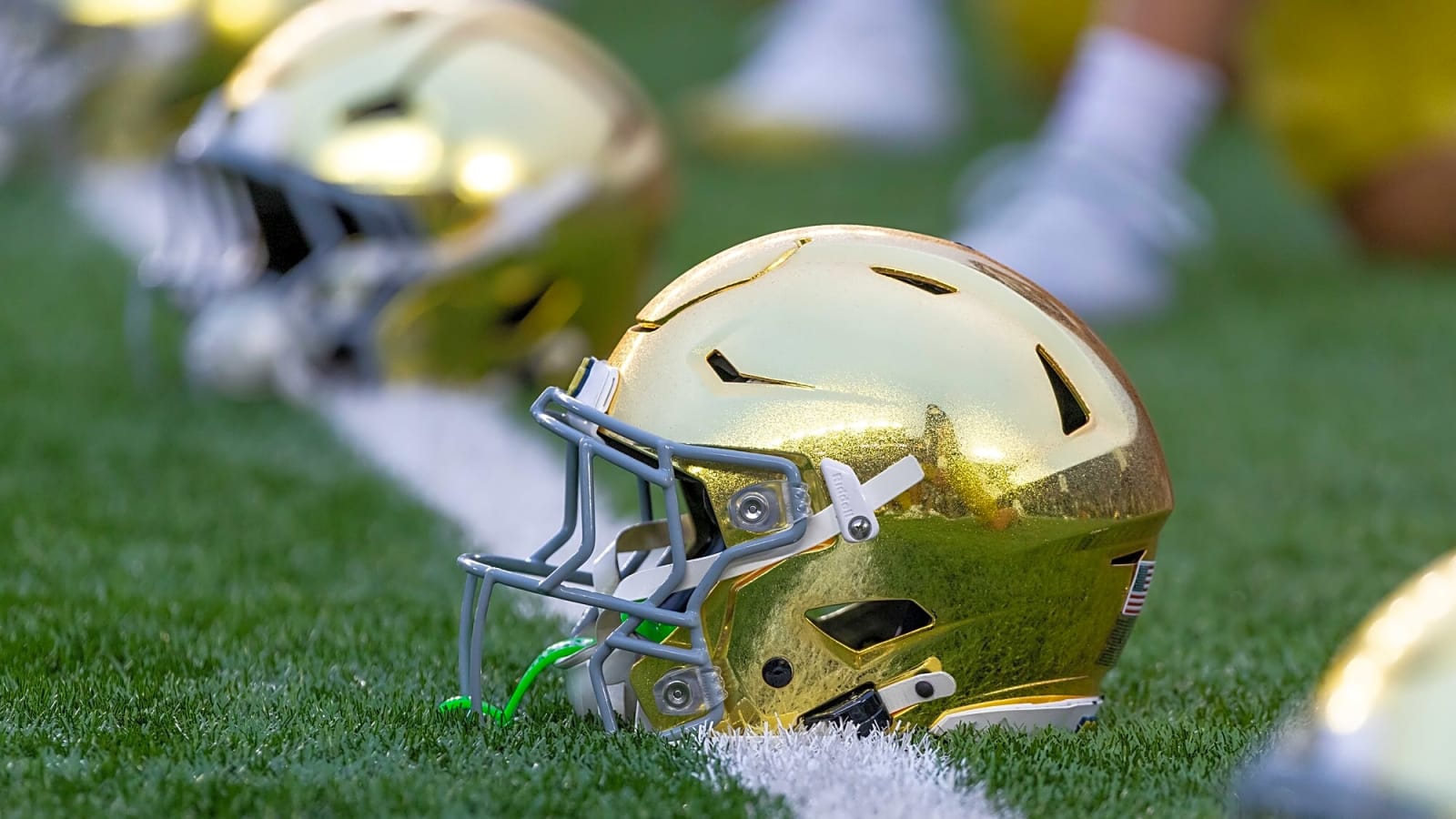
The landscape of college athletics has fractured into a duopoly. As the Big Ten stretches to Los Angeles and the SEC fortifies the Deep South, the rest of the country is being treated as secondary inventory. Traditional rivalries are being sacrificed for TV markets that share no cultural DNA, and the East Coast—home to some of the most rabid fan bases and lucrative media markets in the world—is at risk of being left behind.
But the fix is hiding in plain sight. It requires a ruthless, business-first approach to realignment, backed by a consortium of broadcast giants.
Enter The Great Atlas Conference.
Designed to completely saturate the most lucrative television markets from Boston to Miami, this proposed 14-team super-league is the East Coast’s definitive answer to the “Power 2.” Built on the backbone of historic blood feuds, elite football revenue, and unrivaled winter basketball inventory, The Great Atlas is the only realignment blueprint that can look the SEC and Big Ten in the eye and command equal footing.
The 14-Team Syndicate
To command a billion-dollar media valuation, a conference cannot carry dead weight. The Great Atlas strips the strongest remaining brands from the ACC, pulls the Eastern powers out of the Big Ten, and lands the ultimate independent prize to create an impenetrable wall across the Eastern Seaboard.
- The National Heavyweights: Notre Dame, Clemson, Florida State, Miami
- The Mid-Atlantic Core: Maryland, Virginia, Penn State
- The Northern Anchors: Rutgers, Syracuse, Pitt, Boston College
- The Southern & Midwest Bridges: North Carolina, Georgia Tech, Cincinnati
This roster captures six of the top ten media markets in the United States. It secures the most fertile high school football recruiting grounds in Florida and Georgia. Meanwhile dominating the dense, affluent corporate markets of the Northeast.
The Championships: Washington, D.C., is the Mecca
A conference of this magnitude needs a geographic epicenter that bridges the North and the South. Washington, D.C., becomes the undisputed capital of The Great Atlas Conference.
The Football Championship: The New RFK Stadium. To match the spectacle of the SEC Championship in Atlanta, the Great Atlas title game will be anchored at the newly developed RFK Stadium site in Washington, D.C. Placing a high-stakes, prime-time championship game in the nation’s capital guarantees a sold-out, corporate-heavy environment. D.C. physically and culturally bridges the Northern programs (Penn State, Pitt) with the Southern powerhouses (Clemson, FSU), creating an annual destination event that dominates the East Coast sports cycle.
The Basketball Tournament: Capital One Arena. While football drives the primary revenue, this conference boasts arguably the greatest collection of college basketball brands. North Carolina, Syracuse, Maryland, Virginia back under the same roof. The five-day conference tournament will be hosted exclusively at Capital One Arena. D.C. is a fiercely competitive basketball market; hosting a 14-team tournament of this caliber transforms the city into the absolute center of the college basketball universe every March, locking in massive NCAA Tournament unit payouts.
The Media Rights & Monetization Engine
The Great Atlas avoids the trap of exclusive, single-network deals that currently hamstring the ACC. Instead, it strikes an exclusive, highly lucrative alliance with NBC and CBS. The pact heavily leveraging their digital streaming platforms to create a continuous, all-day television monopoly.
- The Broadcast Billboards: NBC claims unprecedented ownership of college football Saturday. The network gets to launch a new 12:00 PM EST “Atlas Kickoff” window to start the day. Meanwhile, anchoring the slate with its exclusive mid-day window. CBS closes the day by taking on the primetime slot after its iconic 3:30 slot with the Big Ten. This collabration guarantees a continuous triple-header of premium Great Atlas football on network television.
- The Streaming Backbone: The remaining football inventory and the entirety of the lucrative Tuesday/Wednesday night basketball schedule are walled off exclusively on Peacock and Paramount+, driving millions of mandatory subscriptions for the networks.
- The Corporate Integration: The entire conference is powered by a mega-sponsorship with FanDuel. This partnership natively integrates live over/under data, exclusive daily fantasy contests, and physical sportsbook presences at the championship venues in D.C.
The Pod Schedule & The CFP Mandate
Rigid geographic divisions are obsolete. The Great Atlas operates on a modern 3-6 pod schedule. Every team plays nine conference games, including three protected, high-animosity rivals annually. For a team like Maryland, that means guaranteed, prime-time blood feuds against Penn State and Virginia every single year.
Furthermore, to guarantee College Football Playoff inclusion, the conference enforces a strict non-conference mandate. Every team must play at least one SEC or Big Ten opponent every season. The bylaw ensures elite “Strength of Record” metrics. A 10-2 Great Atlas team will never be left out of the 12-team playoff field.
The Road to 2030: Breaking the Chains
Building this league requires perfectly timed legal and financial extractions. The target launch is the fall of 2030.
- The Big Ten & Big 12 Exits: The media rights deals for the Big Ten (Penn State, Rutgers, Maryland) and the Big 12 (Cincinnati) expire between 2030 and 2031. This provides the crucial, contractually clean window for these universities to walk away from their current conferences without facing apocalyptic breach-of-contract lawsuits.
- The Big Ten’s current media rights deal expires at the end of the 2029-2030 academic year. This is the perfect contractual window to leave without facing massive breach-of-contract penalties. Furthermore, by 2030, the novelty of the West Coast expansion will have worn off. Penn State and Maryland having to constantly fly their non-revenue sports (soccer, volleyball, softball) to USC, UCLA, Oregon, and Washington will be financially and athletically exhausting. A return to regional dominance will look incredibly appealing to athletic directors.
- The ACC Extraction: Exiting the ACC is the most expensive hurdle, requiring buyouts of those currently trapped in litigation. The solution relies on private equity and the broadcast partners (NBC/CBS) fronting the exit fees for Clemson, FSU, Miami, UNC, and the others as an “advance” against their first three years of Great Atlas revenue.
- The Notre Dame Lever: NBC, the historic broadcast partner of the Fighting Irish leverages its expiring 2029 contract to incentivize Notre Dame to officially join the Super League by presenting unmatched revenue while preserving its national prime-time exposure.
The Implication: Saving College Athletics
The Big Ten and SEC are actively attempting to consolidate the sport’s wealth and freeze out the rest of the country. The Great Atlas Conference is the only viable countermeasure. By weaponizing East Coast media and preserving elite rivalries, this blueprint outplays the “Big 2.”
More must-reads:
- Miami HC Mario Cristobal is right on the money about NIL chaos in college football
- Browns may have a new threat to Shedeur Sanders
- The 'Active 40-HR MLB seasons' quiz
Breaking News
Trending News






Customize Your Newsletter
 +
+




Get the latest news and rumors, customized to your favorite sports and teams. Emailed daily. Always free!
PRIVACY POLICY COOKIE POLICY CONTACT US
ABOUT YARDBARKER TERMS OF SERVICE


By using this site, you agree to our Terms of Service and Privacy Policy.
This site is for entertainment purposes only.
There is no gambling offered on this site.
Gambling Problem? Call 1-800-Gambler.
