
-

-


Follow Us
-

 On Facebook
 On Flipboard

Formula 1 returns from a five-week break at the 2026 Miami Grand Prix on May 1-3, and teams will have a little more time to prepare than originally planned. The FIA has confirmed that Free Practice 1 at Miami will be extended from 60 to 90 minutes, providing drivers and engineers with extra track time ahead of what promises to be a pivotal weekend for the sport.
The decision comes directly off the back of the sweeping regulation changes agreed upon by the FIA, teams, and power unit manufacturers ahead of Miami, which introduced significant adjustments to ERS deployment, qualifying procedures, and race start systems.
Why F1 Changed Miami GP Schedule
The FIA was straightforward about its reasoning. In an official statement, the governing body confirmed the extension was made in recognition of three factors: the length of the break since the Japanese Grand Prix, the recently announced regulatory and technical adjustments, and the fact that Miami operates under the Sprint format, which already limits the amount of practice time available across the weekend.
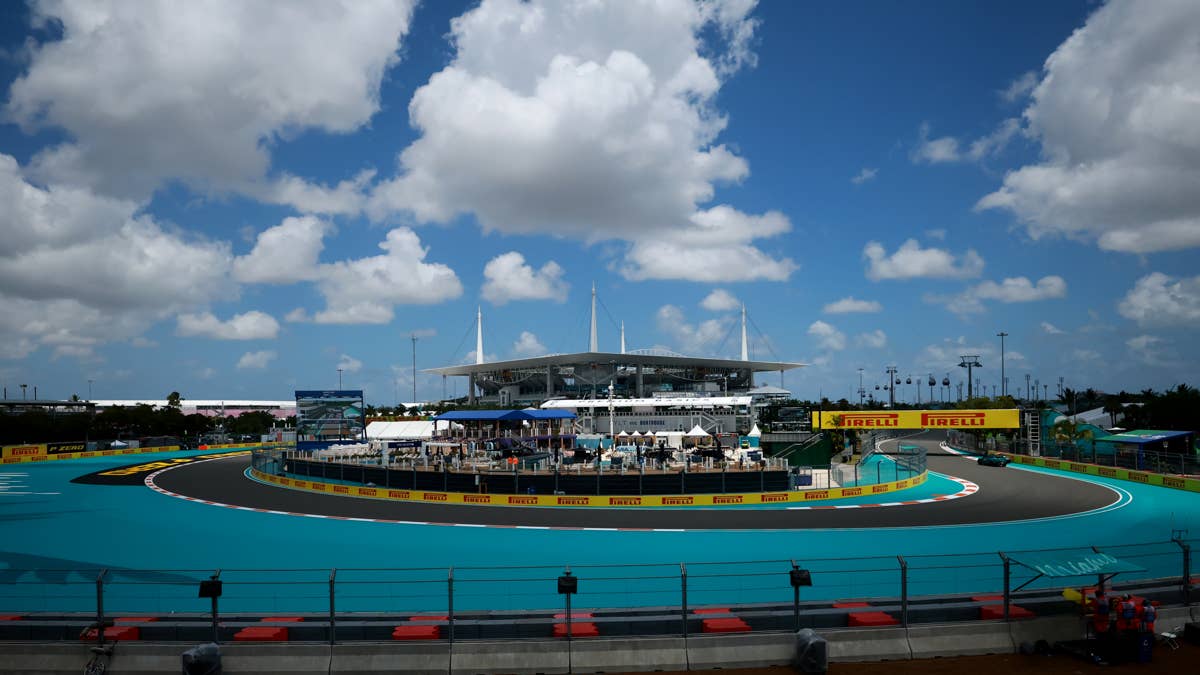
With new rules in effect and teams arriving with updated technical packages, the extra 30 minutes of running gives everyone a better chance to gather data before the competitive action begins.
How the Miami Weekend Now Looks
The extended FP1 will run from 12:00 to 13:30 local time on Friday, with all other sessions scheduled before it shifting forward by 30 minutes accordingly. The rest of the weekend remains unchanged. Sprint Qualifying follows at 16:30 on Friday, with the Sprint itself taking place at 12:00 on Saturday. Qualifying runs at 16:00 on Saturday, and the Miami Grand Prix gets underway at 16:00 on Sunday.

Kimi Antonelli heads into the weekend leading the Drivers' Championship, with Mercedes on top of the Constructors' standings after three dominant performances to open the season.
What the F1 Regulation Update Actually Covers
The changes agreed upon by the FIA, team principals, power unit CEOs, and FOM cover four key areas. On the qualifying side, the maximum permitted energy recharge has been cut from 8MJ to 7MJ. Additionally, peak superclip power has been raised from 250kW to 350kW, both aimed at reducing driver workload on energy management and encouraging more consistent flat-out laps. The number of events where alternative lower energy limits can apply has also been expanded from 8 to 12 races.
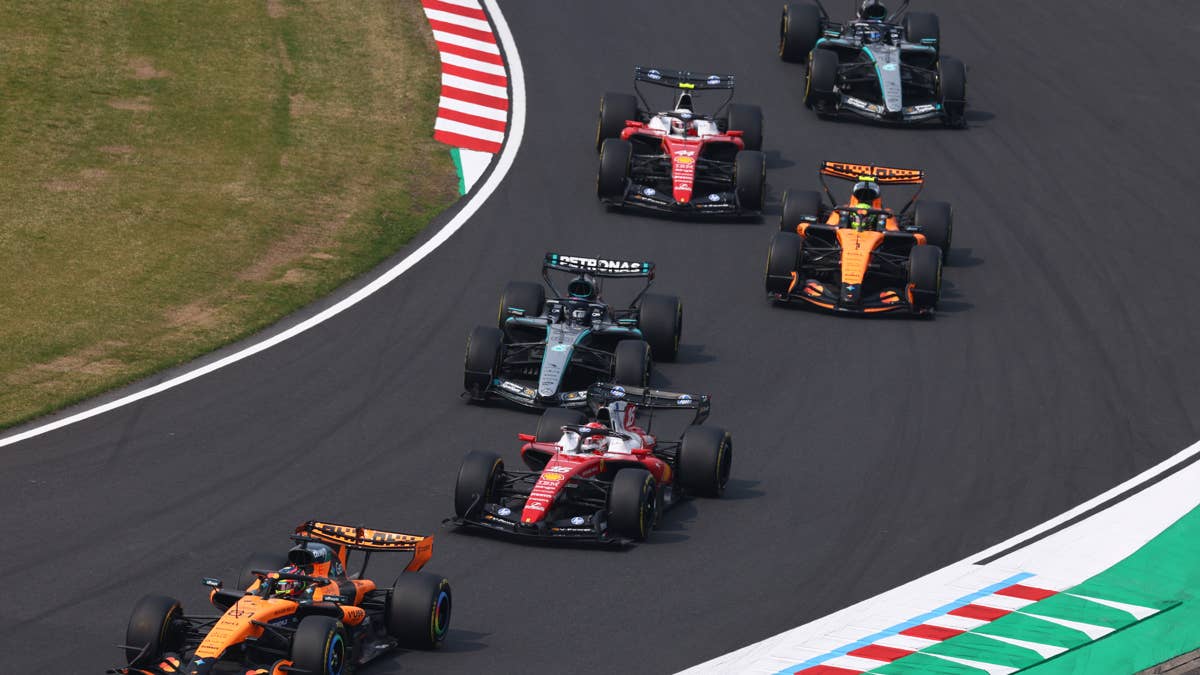
For the race, maximum boost power has been capped at 150kW to limit sudden performance swings between cars, while MGU-K deployment has been set at 350kW in key acceleration zones and 250kW elsewhere. A new low-power start detection system will be tested at Miami, designed to automatically deploy MGU-K if a car shows abnormally low acceleration off the line, without providing any competitive advantage. A flashing warning light system will also alert following drivers if a car is affected.
In wet conditions, blanket temperatures for intermediate tires have been raised following driver feedback, maximum ERS deployment has been reduced to improve car control on low-grip surfaces, and rear light systems have been simplified for better visibility. All changes are subject to an FIA World Motor Sport Council e-vote before formal implementation.
More must-reads:
- Timberwolves get bad news about Anthony Edwards' injury
- John Harbaugh shares update on Odell Beckham Jr. and Giants
- The 'No.2-overall NFL Draft picks' quiz
Breaking News
Trending News





Customize Your Newsletter
 +
+




Get the latest news and rumors, customized to your favorite sports and teams. Emailed daily. Always free!
PRIVACY POLICY COOKIE POLICY CONTACT US
ABOUT YARDBARKER TERMS OF SERVICE


By using this site, you agree to our Terms of Service and Privacy Policy.
This site is for entertainment purposes only.
There is no gambling offered on this site.
Gambling Problem? Call 1-800-Gambler.
