
-

-


Follow Us
-

 On Facebook
 On Flipboard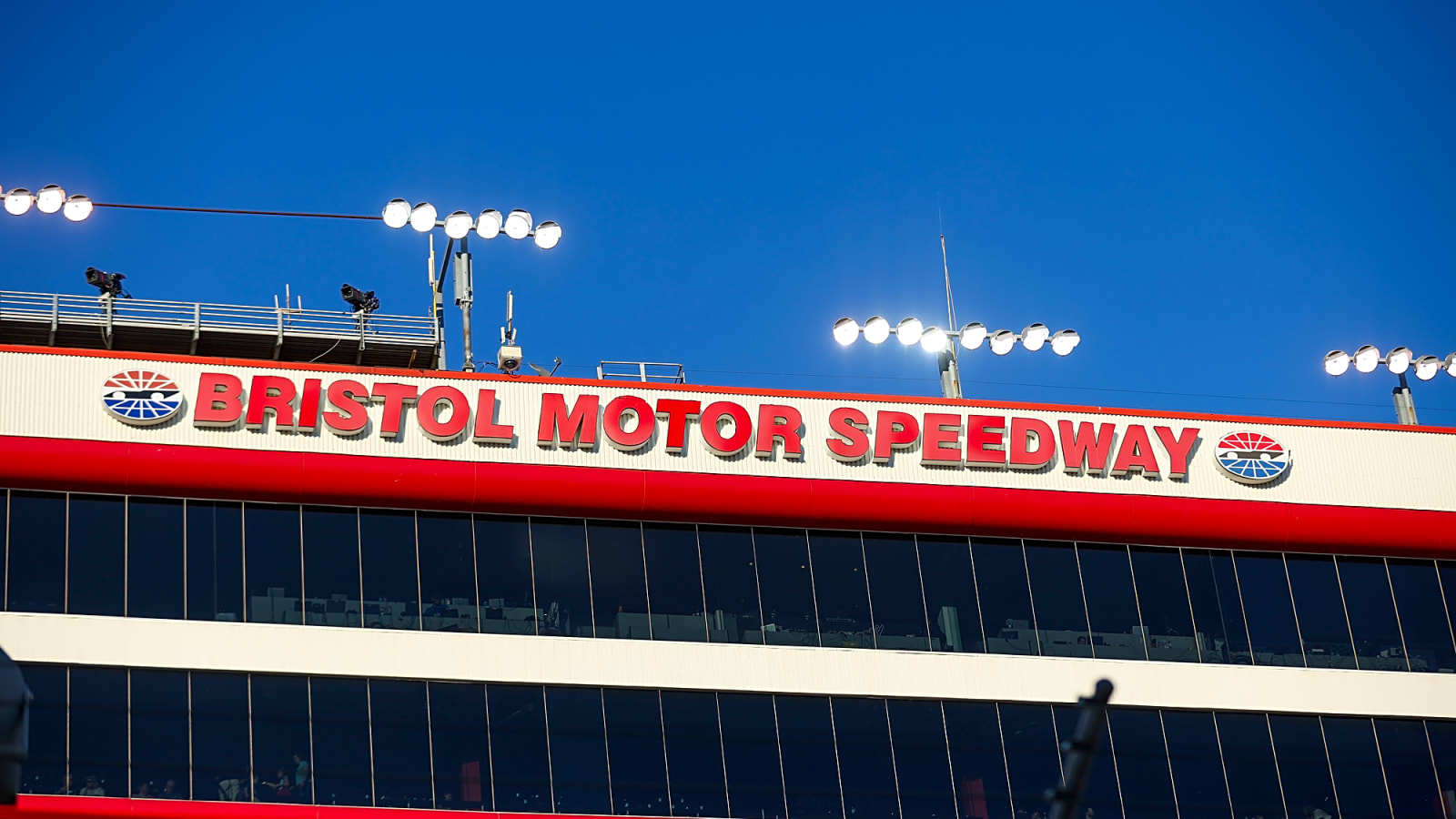
Bristol Motor Speedway’s concrete coliseum doesn’t just amplify noise. It amplifies every weakness in a racecar. The half‑mile layout, officially measured at 0.533 miles, pairs with 28–30 degrees of banking to generate some of the highest sustained loads drivers face all season.
A typical green‑flag run produces lap times in the 15–16‑second range, with drivers experiencing 2–3 Gs through the corners. Over 500 laps, that pressure compounds into one of the most demanding events on the schedule. Teams know that any imbalance, even a minor one, becomes exaggerated over long runs.
That’s why this weekend’s tire change has the entire garage recalibrating expectations. But this weekend, raw speed won’t be the deciding factor. The garage is bracing for the biggest variable of the spring: a new Goodyear tire combination designed to increase fall‑off.
This situation forces teams into long‑run decision‑making they haven’t faced at Bristol in years.The compound is expected to widen the gap between drivers who manage their equipment and those who don’t. It also introduces a level of unpredictability that hasn’t been part of Bristol’s concrete package in several seasons.
Why The Tire Change Matters
Former championship‑winning crew chiefs Steve Letarte and Todd Gordon recently broke down the compound shift, and both pointed to the same conclusion: this race will be controlled by tire management, not horsepower. Bristol has always rewarded discipline.
However, the introduction of a softer compound is expected to lose up to a second of pace over a long run, fundamentally changing how teams must approach the night. That kind of fall‑off reshapes pit strategy, run management, and even how drivers approach restarts. It also means that long‑run speed may matter more than short‑run explosiveness.
When tires don’t wear, the field runs identical lap times, and the race locks into a single‑file rhythm. When they do wear, Bristol becomes a completely different racetrack. A driver who abuses the right‑front early can lose 10–15 positions in a single run.
A driver who saves can gain that much back. That dynamic alone is enough to flip the running order multiple times throughout the night. It also rewards drivers with a history of excelling on abrasive or high‑wear surfaces.
Inside The Compound Shift
Tire strategy at Bristol comes down to choosing between raw speed, short‑term defense, or outright track position and each option carries a cost. Four tires deliver the fastest laps but almost always mean surrendering valuable spots on pit road.
Two tires protect the position but leave the car unbalanced on a high‑wear compound. Staying out flips the order but turns the leader into a target for anyone on fresh rubber. Every call forces teams to decide which compromise they can survive.
- Four tires: maximum speed, major track‑position loss.
- Two tires: compromise option, risky on a high‑wear compound.
- Stay out: track position gained, but vulnerable to cars with fresh rubber.
What This Means For Race Weekend
This tire package turns the race into a discipline test. Aggressive drivers may shine early in a run but fade dramatically after 25–30 laps. Smooth drivers, the ones who manage slip angle and throttle application, will rise as the run deepens. That contrast will be obvious on the stopwatch as lap times diverge by half a second or more.
It also means that long green‑flag stretches could produce some of the biggest comers‑and‑goers of the season. Pit stops become even more critical. A slow stop that costs three positions on pit road could take 40–50 laps to recover on track. With Bristol’s tight pit road and high likelihood of cautions, execution becomes as important as raw pace.
Teams that typically rely on short‑run speed may find themselves forced into unfamiliar strategic territory. One mistake on pit road could erase an entire stage’s worth of gains. Track position remains king, but tire advantage may be powerful enough to override it in the right circumstances.
Worn tires make the cars looser off the corners, bringing the bump‑and‑run back into play. A leader sliding on old rubber becomes an easy target for the second‑place car. Tempers will rise in the final 100 laps as tire wear and urgency collide, exposing anyone who can’t manage their equipment.
What’s Next
Bristol rarely delivers a quiet race, but this weekend could be even more volatile. A high‑wear Goodyear tire forces teams to rethink everything and leaves drivers wrestling with cars that fall apart over a run. One pit call can swing the race, and the margin for error shrinks fast when fall‑off is this steep.
This isn’t a 500‑lap sprint. It’s a 500‑lap strategy fight at 120 mph. The driver who protects the right front best will be the one holding the gladiator sword. With big cycles of comers and goers expected, this could be one of the most demanding Bristol races in years.
More must-reads:
- Patriots QB Drake Maye has one word to describe Super Bowl loss
- Scottie Scheffler shuts down a reporter after a bizarre Masters question
- The 'Masters runners-up since 2000' quiz
Breaking News
Trending News






Customize Your Newsletter
 +
+




Get the latest news and rumors, customized to your favorite sports and teams. Emailed daily. Always free!
PRIVACY POLICY COOKIE POLICY CONTACT US
ABOUT YARDBARKER TERMS OF SERVICE


By using this site, you agree to our Terms of Service and Privacy Policy.
This site is for entertainment purposes only.
There is no gambling offered on this site.
Gambling Problem? Call 1-800-Gambler.
