
-

-


Follow Us
-

 On Facebook
 On Flipboard

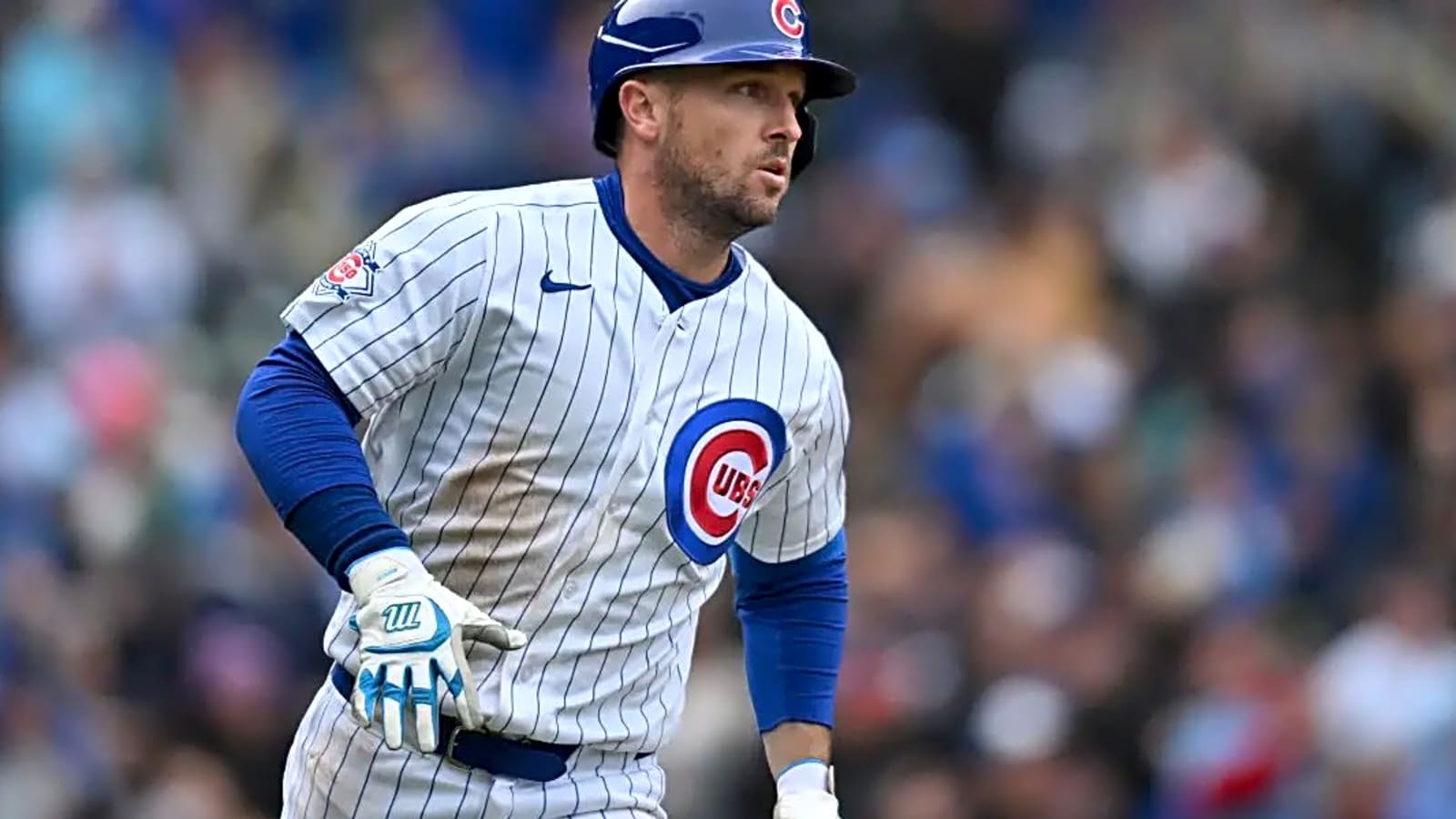
When the Chicago Cubs signed free agent third baseman Alex Bregman to a 5-year, $175 million deal this past offseason, it sure seemed like it was a somewhat universally well-regarded move.
The veteran three-time All-Star brought with him a solid, dependable bat, elite-level defense, and a reputation as one of the best clubhouse leaders in the league.
When the 32-year-old Bregman got off to a slow start in the 2026 campaign, however, some gripes, criticisms, and doubts began to be amplified.
Bregman signing slammed after the fact

And despite his bat warming up recently—he’s 13-for-39 with 6 RBIs in his last 9 games—the public second guessing continues.
For example, Christopher Kline of Fansided labeled the Cubs’ Bregman signing as an “offseason regret already haunting” the team.
Per Kline:
“With all due respect to Alex Bregman — and he has earned a ton of respect over the years — Chicago’s decision to sign him to a five-year, $175 million contract ahead of his age-32 season was a predictable misstep. Bregman is known as a great teammate and the ultimate winner, but last season in Boston was a mixed bag, to say the least. The signs of imminent decline were there.
…$35 million annually to Bregman feels destined to become a sunk cost. He’s limping out of the gate with a .659 OPS in the heart of the Cubs’ order. Add that next to the relative sunk cost of Dansby Swanson’s contract at shortstop, and Chicago could be locked in to diminishing returns in the infield for the foreseeable future.”
Tim Dierkes of MLB Trade Rumors, meanwhile, sees rapidly diminishing returns from the former Gold Glove and Silver Slugger winner.
Per Dierkes:
“Back in January, I felt Davy Andrews of FanGraphs did a nice job articulating the downside risk of signing Bregman through the age of 36. The key passage: ‘He’s not starting out with much margin for error, so things could get ugly when his bat speed or his contact skills start to go. And Bregman is already slow and a below-average baserunner. He already has a weak arm. When the first-step quickness goes, the defense could crater pretty quickly too.’
Baseball player aging does not happen in a nice, linear, predictable fashion. At some point during this contract, Bregman is going to be pretty bad. The Cubs are betting it’ll be the last year or two. It would not be crazy to bet major decline and/or increased missed time due to injury sets in earlier than that.”
Being realistic on multi-year contracts
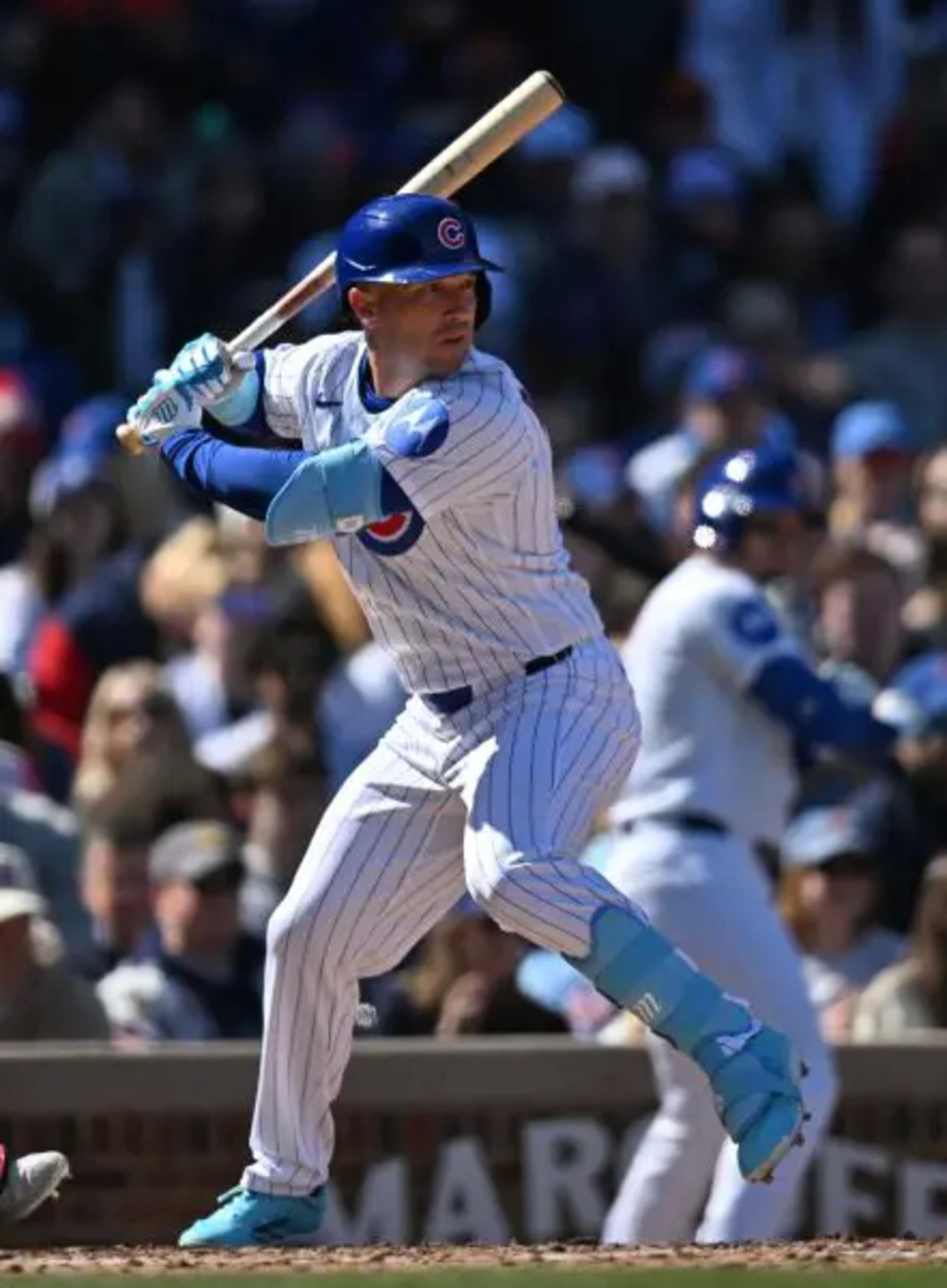
It’s true that one really can’t expect the same player to be as sharp at 36 as he was at 31 or 32. That’s just being realistic. It’s also realistic, though, that on any long-term deal involving a 30-plus-year-old star, there will be some diminishing returns toward the end of the contract. Any team that wanted Bregman for the here and now would have to accept that fact.
The Cubs believed that they were a championship-level team and they opted to bring in Bregman, on the down side of his prime, to man third base during their window of opportunity. They also brought him in to serve as a cornerstone foundation piece and leader for a team that will likely be without many of its core veteran components next year due to free agency. That’s a role he can play, even well past his prime.
As with any deal, the Bregman signing was a gamble—and more people still do believe that it was the right deal to make for this team.
More must-reads:
- Tigers' Tarik Skubal shines in first rehab start but offers no update on timeline
- Mets' Freddy Peralta reportedly seeking massive long-term deal in free agency
- The 'Foreign-born 250-HR club' quiz
Breaking News
Trending News


Customize Your Newsletter
 +
+




Get the latest news and rumors, customized to your favorite sports and teams. Emailed daily. Always free!
PRIVACY POLICY COOKIE POLICY CONTACT US
ABOUT YARDBARKER TERMS OF SERVICE


By using this site, you agree to our Terms of Service and Privacy Policy.
This site is for entertainment purposes only.
There is no gambling offered on this site.
Gambling Problem? Call 1-800-Gambler.
