
-

-


Follow Us
-

 On Facebook
 On Flipboard


Statistics and serendipity don’t sound like they would go hand in hand. Fantasy baseball throws that notion out the window, thanks to metrics that can show just how unlucky a starting pitcher can be.
Enter the FIP metric. While ERA gets all the glory, FIP (Field Independent Pitching) gives fans and fantasy managers alike a look into whether a pitcher is having a bad season or just in need of a lucky rabbit’s foot. Identifying which pitchers are due for a karmic turnaround can help managers build their roster for the future.
Here’s a look at fantasy baseball FIP vs. ERA in 2026, how it applies to five starting pitchers, and how to plan your roster moves accordingly.
What the FIP-ERA Gap Says About a Pitcher’s Luck
Here’s the bare bones of it: FIP calculates events that pitchers have the most control over. Just strikeouts, walks, home runs, and hit-by-pitches. Balls in play (singles, doubles, that sort of thing) are not factored into FIP because they are events the pitcher has limited control over.
FIP is read like ERA: The lower it is, the better a pitcher is doing. However, how the two metrics line up tells an interesting story.
Generally, aligning low ERA and FIP is ideal. However, if a pitcher’s ERA is low and his FIP is higher, that generally means he has pitched well and has gotten good support from his defense.
On the flip side, pitchers with a high ERA and lower FIP (like the five listed below) are considered unlucky because they are struggling on the mound and aren’t getting help from their teammates. And if bad luck can hit a pitcher’s stats, it can negatively impact your fantasy squad.
The Top Unlucky Starters
Jesus Luzardo (Philadelphia Phillies)
FIP: 2.944. ERA: 7.94
Luzardo tops our list after hitting the unlucky penny jackpot to kick off his 2026 campaign. He has a 30:5 K:BB ratio, which should account for a good start. However, he’s 1-3 through four starts with a career-worst 7.94 ERA. That means Luzardo’s pitches are getting hit, and his Phillies teammates don’t appear to be picking up any slack.
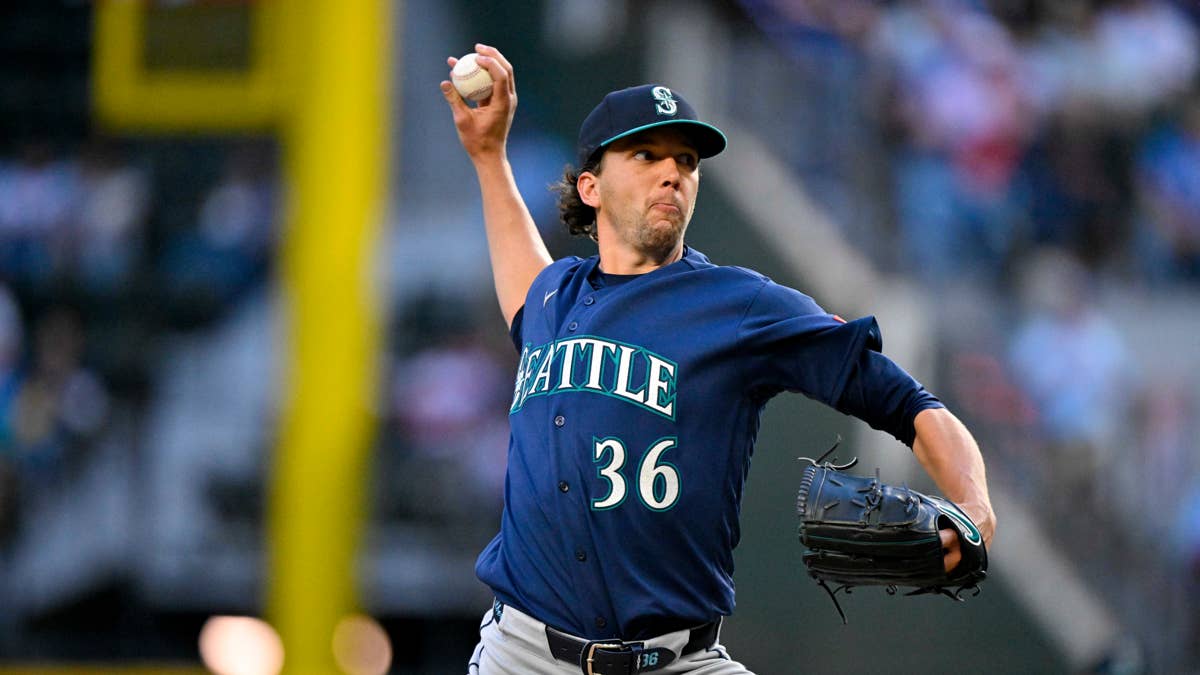
Logan Gilbert (Seattle Mariners)
FIP: 2.97. ERA: 4.03
Gilbert’s misfortune is shared with his team, which is having a really rough start to the season. The right-hander is part of a strong starting pitching rotation, but has allowed 13 earned runs through his first five starts. Some of that is the three home runs he has surrendered, but the gap between his FIP and ERA shows just how unlucky his start has been.
Lance McCullers Jr. (Houston Astros)
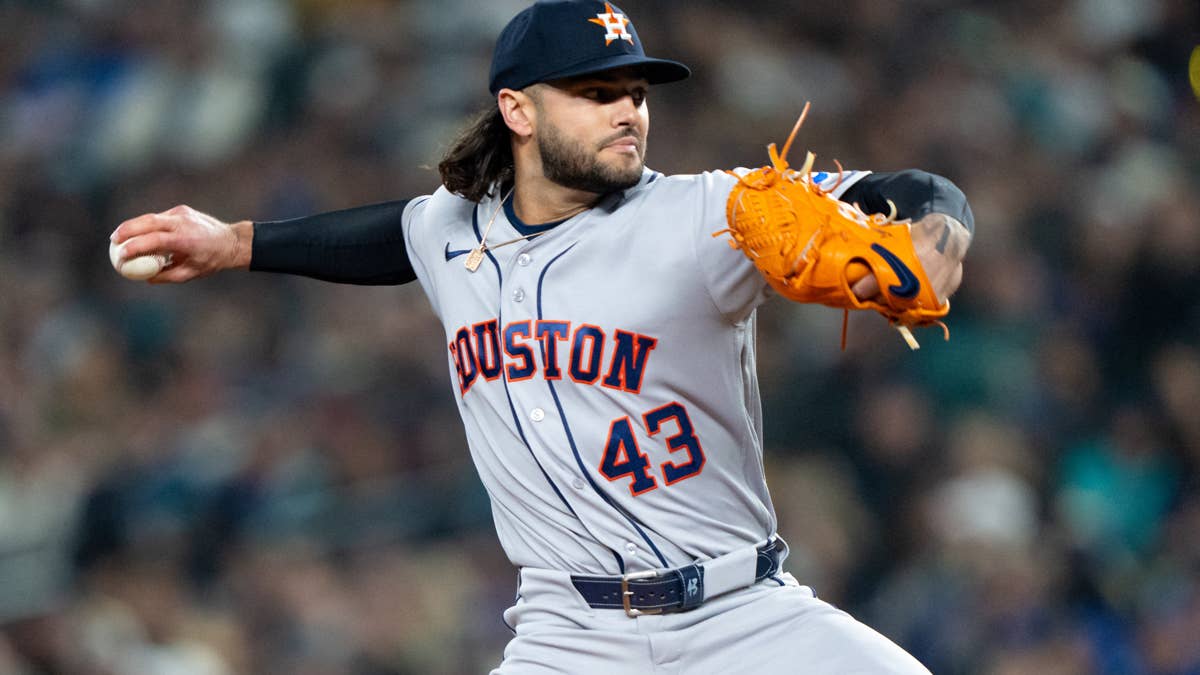
FIP: 4.06. ERA: 6.20
McCullers missed two seasons due to a right elbow/forearm injury that required surgery, and his return has been rocky. The Astros generally have good defense, but McCullers’ high ERA and FIP show he’s getting mixed results in addition to not pitching like he used to. He's currently contributing to the Astros’ league-worst 6.11 collective ERA."
Nathan Eovaldi (Texas Rangers)
FIP: 4.51. ERA: 5.06
Yes, the Rangers defense is missing Marcus Semien and may not be as stout as it was last season. It doesn't help that Eovaldi is also off to his worst start since 2019, when he ended the season with a 5.99 ERA. He has thrown 29 strikeouts over five outings in 2026, but has allowed 33 hits and had five-plus runs scored on him in all three of his losses so far this season."
Joe Boyle ( Tampa Bay Rays)
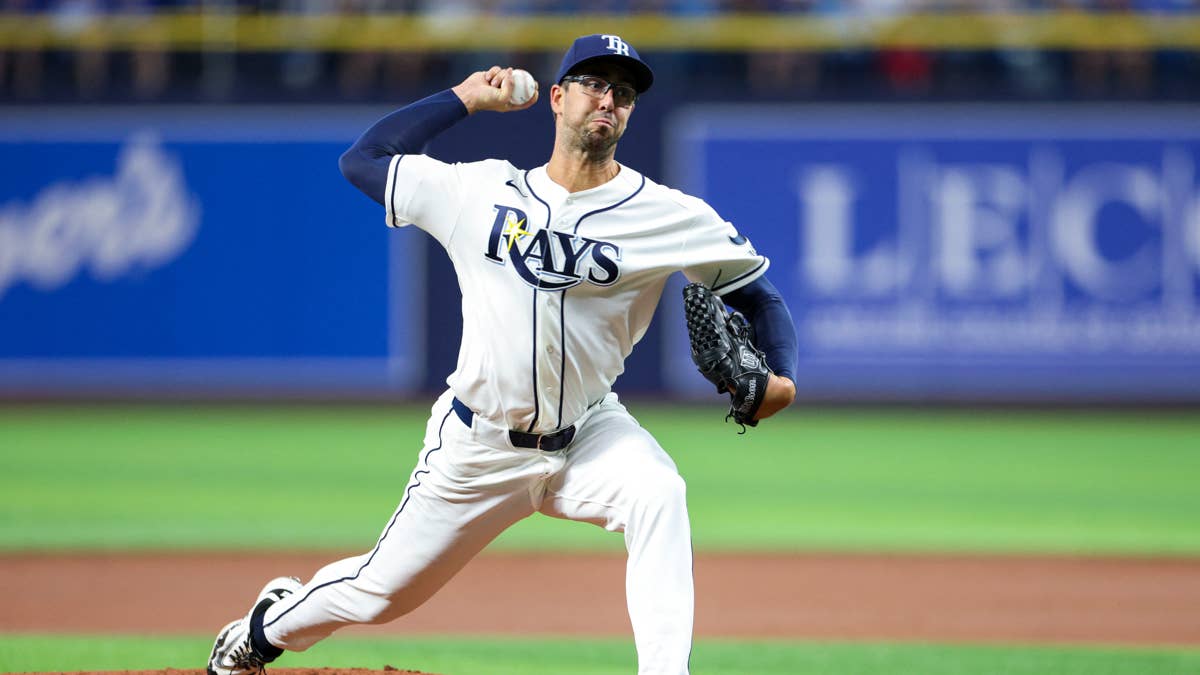
FIP: 3.15. ERA: 5.17
The Rays are trying to improve on a poor defensive showing in 2025, and their pitching rotation is actually considered to be undervalued early in the season. However, Boyle’s 16 strikeouts over 15.2 innings pitched are overshadowed by the nine earned runs he has allowed over that same span. He’s also currently on the IL with an elbow sprain, which makes matters worse.
Supporting Metrics and Regression Outlook
What This Means for Fantasy Managers
Is it curtains for all five of these starters? Not necessarily. But a few factors can help with a pitcher’s outlook, including BABIP (batting average on balls in play), which aptly sums up a pitcher’s defense and luck.
The average BABIP in the MLB is .300. Boyle has a BABIP of .238, which tells us he has good defensive backing despite his high ERA. Luzardo’s .417 BABIP is considered extremely unlucky, indicating he’s giving up a lot of contact and has poor defense behind him.
Any sports fan can tell you that luck can change. So a high BABIP for pitchers like Gilbert (.351) or Eovaldi (.354) could regress toward .300 when the team around him gives him more support.
We know that’s a lot of swanky stats to keep track of. But savvy managers know these metrics show pitchers like Gilbert, Eovaldi, and even Luzardo can turn an unlucky start into a solid season. That makes them strong buy-low candidates to keep in mind after a few good outings.
McCullers and Boyle are different stories because injury factors are at play. Boyle’s timeline for returning is unclear, and McCullers may never return to his pre-surgery form. They are higher-risk names that managers should be wary of.
The Bottom Line on Roster Moves for These Unlucky Starters
Yes, these pitchers are off to tough starts in the 2026 MLB season. However, supporting metrics show which of these pitchers have the underlying skills to expect positive regression soon. These markers help managers identify strong buy-low or roster-add candidates before the market adjusts. Separate the high-risk names from the true regression plays, and you can turn a pitcher’s change in luck to fantasy profit.
Unlucky Starting Pitchers 2026 Fantasy Questions, Answered
What does a large FIP-ERA gap mean for unlucky starting pitchers in 2026 fantasy baseball?
It signals a disconnect between a pitcher’s results and underlying performance, often tied to luck factors like defense and balls in play.
Which unlucky starters are identified in this analysis?
Jesus Luzardo, Logan Gilbert, Lance McCullers Jr., Nathan Eovaldi, and Joe Boyle are highlighted based on their FIP versus ERA gaps.
Why is Jesus Luzardo considered the most unlucky pitcher so far?
He has a strong 30:5 strikeout-to-walk ratio but a 7.94 ERA, indicating poor results despite solid underlying performance.
How does BABIP help explain these pitchers’ struggles?
BABIP shows how often balls in play turn into hits, with extreme values like Luzardo’s .417 suggesting poor luck or weak defensive support.
Which pitchers carry more risk despite unlucky indicators?
Lance McCullers Jr. and Joe Boyle are riskier due to injury concerns, including Boyle currently being on the injured list.
More must-reads:
- Edwin Diaz injury underscores familiar hole in Dodgers' bullpen
- Red Sox could avoid significant blow with Sonny Gray injury
- The 'NBA minutes-per-game leaders' quiz
Breaking News
Trending News






Customize Your Newsletter
 +
+




Get the latest news and rumors, customized to your favorite sports and teams. Emailed daily. Always free!
PRIVACY POLICY COOKIE POLICY CONTACT US
ABOUT YARDBARKER TERMS OF SERVICE


By using this site, you agree to our Terms of Service and Privacy Policy.
This site is for entertainment purposes only.
There is no gambling offered on this site.
Gambling Problem? Call 1-800-Gambler.
