
-

-


Follow Us
-

 On Facebook
 On Flipboard

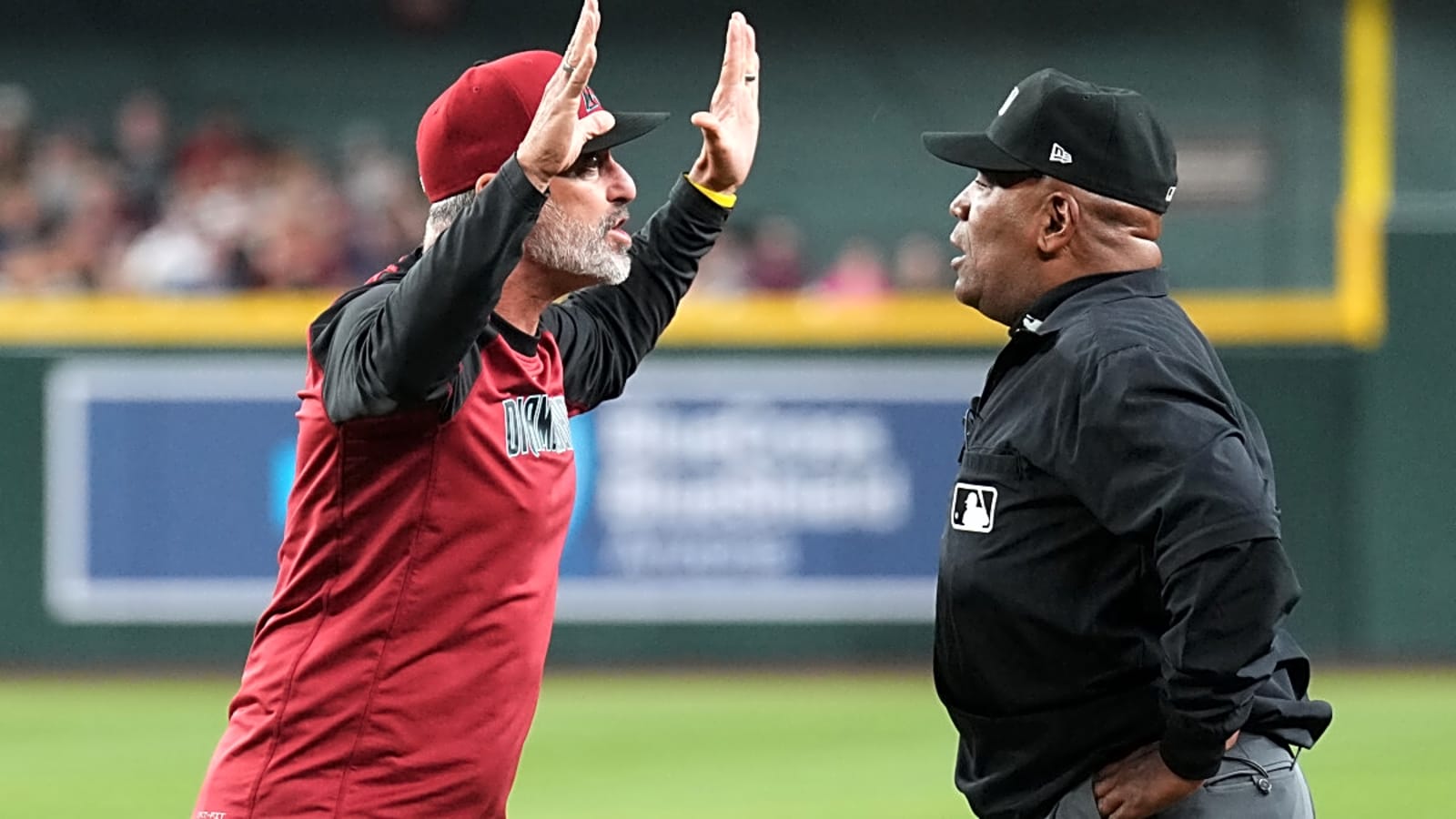
The MLB regular season starts March 25.
And beginning in 2026, a number of tweaks to Major League Baseball - both in rules and for viewers at home - will be incorporated. One of them brings about the biggest change since the introduction of the pitch clock in 2023 and likely will end up even more impactful, rivaling MLB's incorporation of coaches' challenges in 2014.
Here are three noteworthy rule changes to ready yourself come late March, and one thing to watch for when catching games on television or streaming.
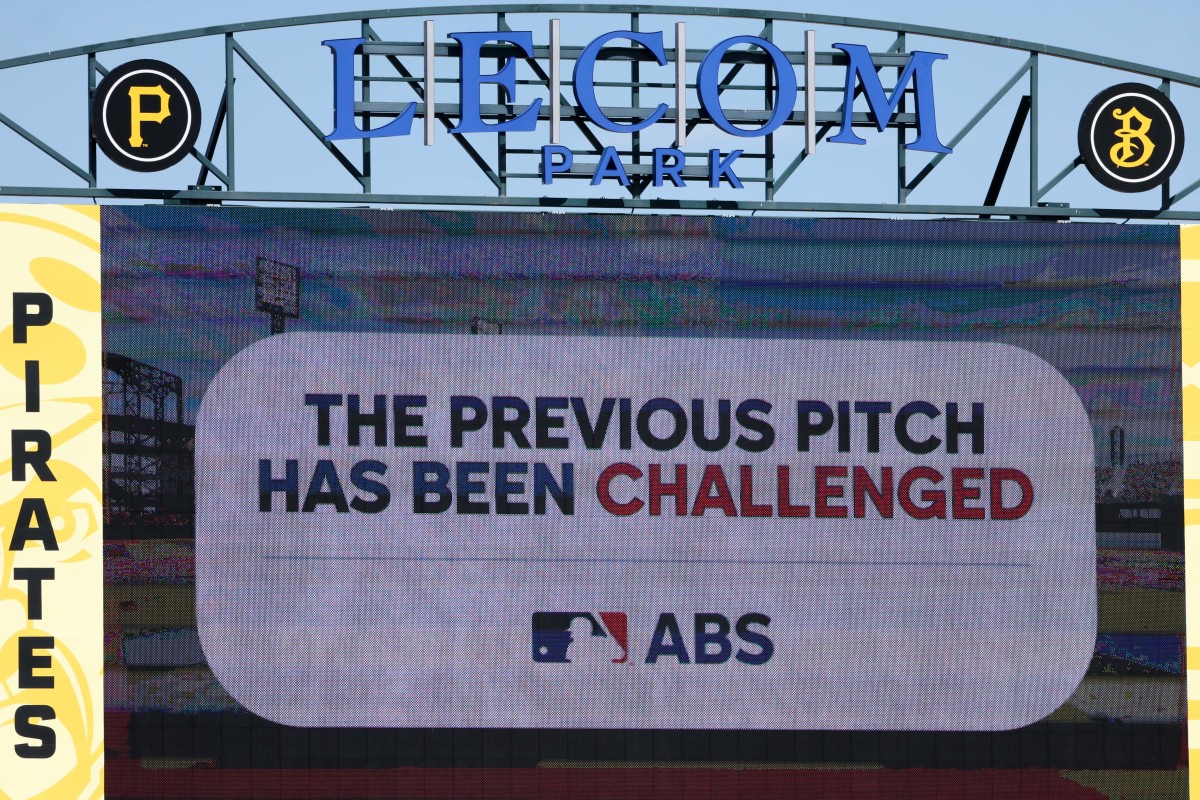
1. Automated Ball-Strike (ABS) Challenge System
Known as the ABS, the MLB will begin incorporating the challenge system league-wide in 2026, though the human element remains.
Home plate umpires will still call balls and strikes, but pitchers, catchers or the batter at the plate can challenge the call by tapping his helmet. Challenges must be made within two seconds of the call and players challenging cannot look elsewhere for guidance.
Every team starts with two challenges per game and if a challenge is successful, they are not docked for it. If a team has no challenges remaining into extra innings, they get one additional challenge to use for the entire rest of the game.
2. Box Enforcement for Base Coaches
First- and third-base coaches have long had a tendency to roam outside of the designated box area near the bag. Umpires rarely enforced the parameters.
However, that will change in 2026, as coaches must remain within the lines of the box while the pitcher is on the rubber and umpires have been instructed to more strongly keep tabs.
The goal is to prohibit base coaches from going down the line toward home plate where they could more easily steal signals or identify a pitchers’ grip. If a coach is deemed to have exited the box, he will suffer a violation. A second can result in his ejection.
3. Intentional Obstruction
Baserunners are no longer allowed to initiate contact with a fielder in hopes of drawing an obstruction call.
Umpires can make a judgment call, and if the runner goes out of his way to contact a fielder who doesn’t have the ball, he will be ruled out, and all other runners must return to the base they vacated.
4. No More Ball-and-Strike Signals at Home
The Yankees and Orioles had different strike zones yesterday. pic.twitter.com/m0IFJz5NdA
— Codify (@CodifyBaseball) May 26, 2023
While not a rule change, per se, fans watching MLB games on television will no longer be shown whether a pitch was a ball or strike.
The strike zone will still be shown on screens, but while previously a marker was used to identify whether a particular pitch was a ball or strike, that identifying marker will no longer be present.
This probably won't cause a significant change. Most fans simply noticed the location of the ball marker inside or outside of the strike-zone box.
Many broadcasts, however, colored the ball-marker in when it was a strike and left it blank when it was a ball. SNY, which broadcasts New York Mets games, left it blank for all pitches already, ESPN's Jeff Passan pointed out.
“I believe that it’s just going to be more that the graphic that comes off on the screen is not going to indicate whether it’s in the supposed strike zone or the strike zone that’s marked on TV,” Passan said.
More must-reads:
- Phillies' Cristopher Sanchez continues as steadying force after second career complete-game shutout
- Phillies' Kyle Schwarber reaches historic pace after two-homer game
- The 'Active 40-HR MLB seasons' quiz
Breaking News
Trending News







Customize Your Newsletter
 +
+




Get the latest news and rumors, customized to your favorite sports and teams. Emailed daily. Always free!
PRIVACY POLICY COOKIE POLICY CONTACT US
ABOUT YARDBARKER TERMS OF SERVICE


By using this site, you agree to our Terms of Service and Privacy Policy.
This site is for entertainment purposes only.
There is no gambling offered on this site.
Gambling Problem? Call 1-800-Gambler.
