
-

-


Follow Us
-

 On Facebook
 On Flipboard

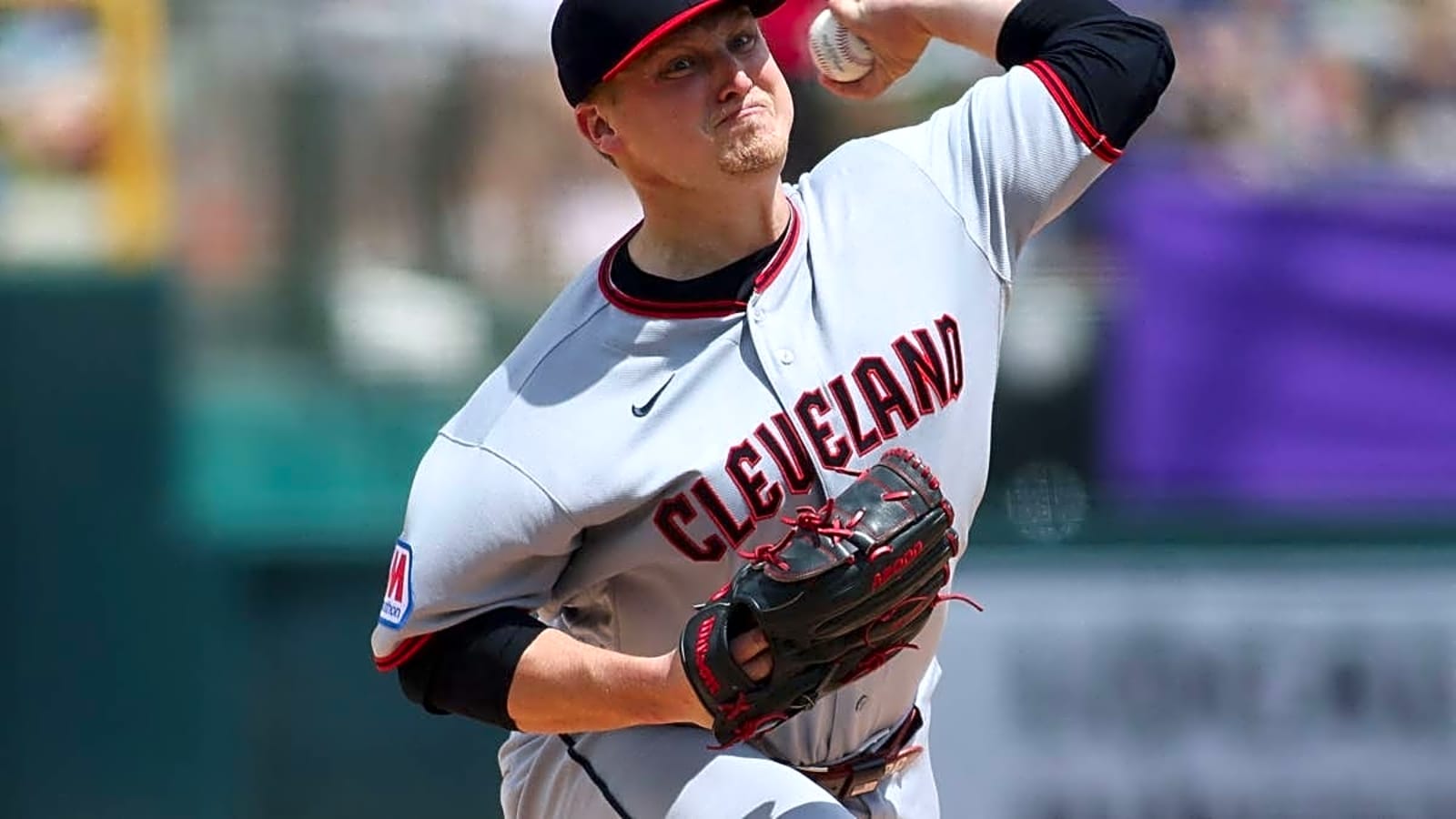
Parker Messick was hiding in plain sight. Now that we all see him, the acquisition cost has risen. But how good is he, really, and how should you price him?
He was a waiver wire whisper two weeks ago. Now DraftKings has him slotted alongside Max Fried and Dylan Cease, your league's most annoying manager just added him, and his trade price has gone from "interesting" to "are you serious right now." The market has caught up.
Here's the thing: it doesn't matter. The profile that made Messick worth grabbing in April is the same profile that makes him worth buying in May. The price tag just got a little less friendly.
The Command and Pitch-Mix Foundation Driving Messick's Breakout
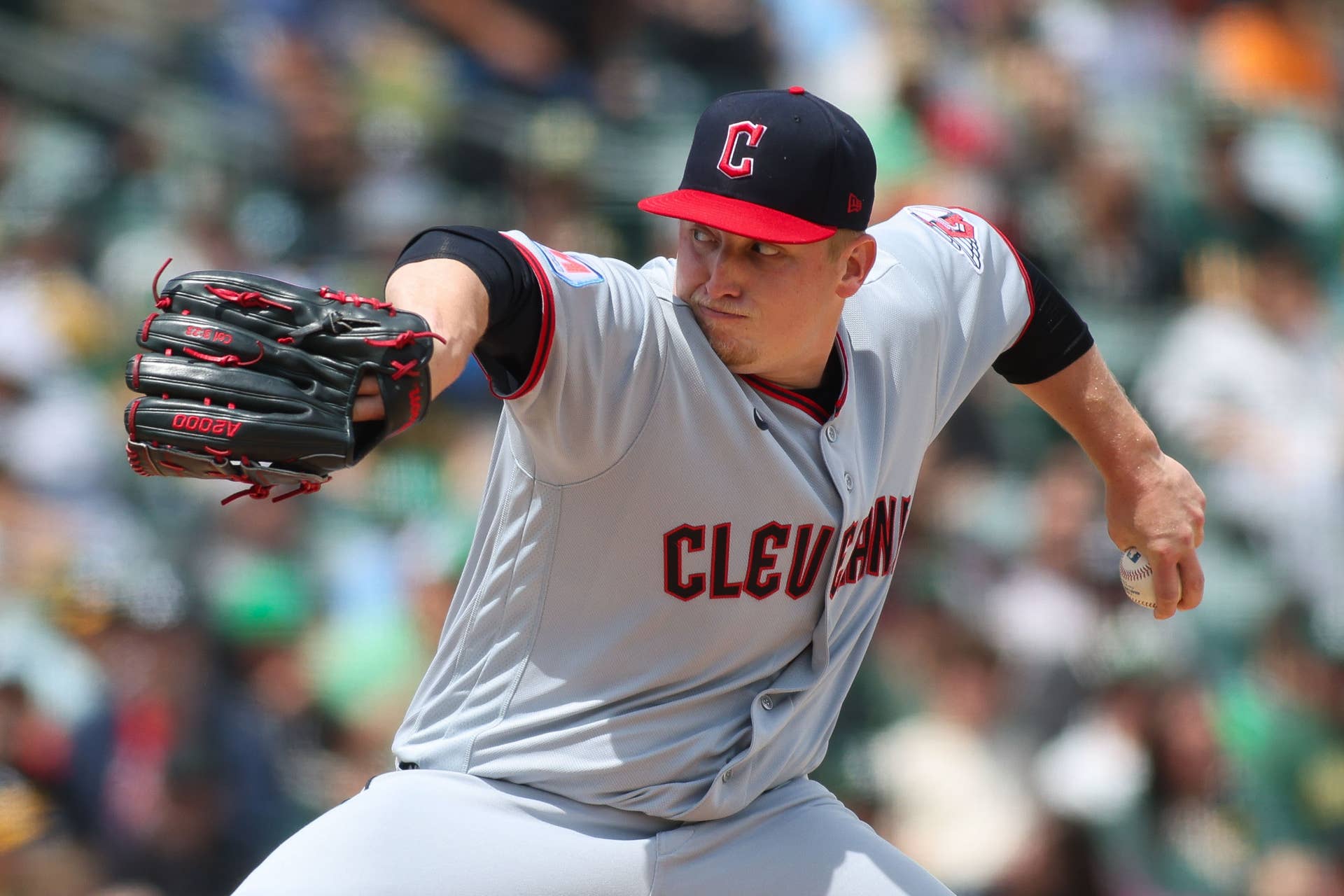
Why His Arsenal Flexibility Matters
Any discussion of Messick starts with these numbers: 51 strikeouts and 11 walks across 47 innings. An almost 5:1 K:BB ratio isn't a hot streak. That's a guy who knows where the baseball is going, which in the second year of a major league career is either a skill or a magic trick, and Messick is not a magician.
He is a reminder that K/9 distracts and attracts us, but the K:BB ratio is a better measure of a pitcher’s stability.
Most young arms you're being tempted by live and die on one pitch. When it's working, they look untouchable. When it isn't, they issue walks, fall behind in counts, and suddenly the fifth inning feels like a hostage situation.
Messick doesn't do that. He has a deep mix of six pitches, changes speeds, and can sequence his way through a lineup when his best stuff isn't his best stuff. None of his six pitches scores highly on Stuff+, but his location is well above average. A guy who throws 94 mph and strikes out one per inning is fooling hitters through his pitch mix and location. That's a different animal in today’s game.
Friday night against Minnesota was a perfect example. He worked 5 2/3 innings, gave up one run on seven hits, struck out seven, and walked one. Nothing about that line screams dominant, but no Twin reached second base until the sixth inning. He controlled the game without overpowering anyone, bounced back from a sixth-inning jam, and Cleveland won 6-4. That's what a real pitching profile looks like.
The company he's keeping: the only other pitchers with multiple scoreless starts of six-plus innings and zero walks since Messick's debut last August are Paul Skenes and Garrett Crochet. Feel free to sit with that for a moment.
Why Messick Has a Higher Floor Than Most Young Breakout Arms
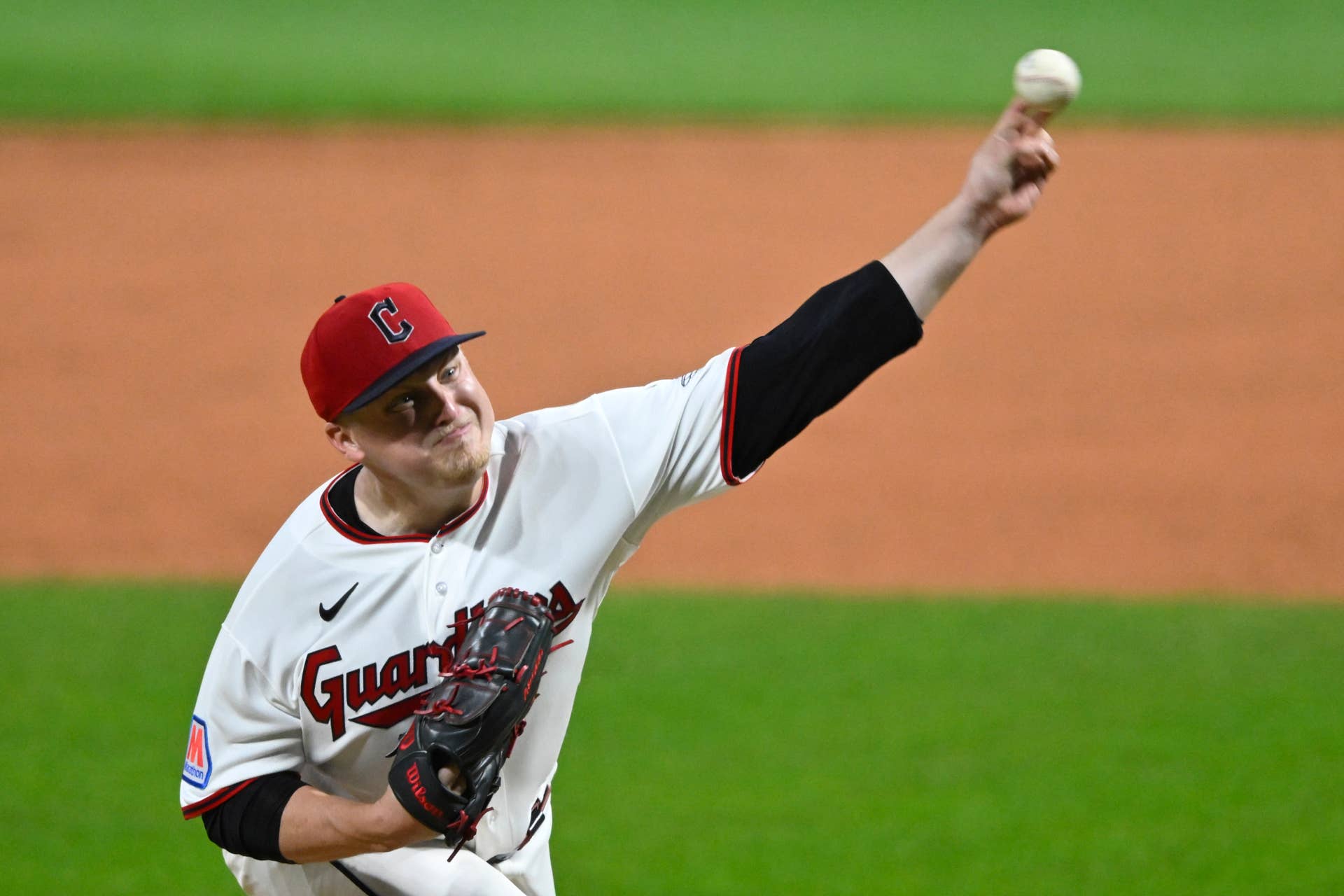
Stability Versus Flash
His May 3 start was not pretty — four runs, three home runs, five innings, first loss of the year. Through his first six starts he had allowed exactly one homer. Then he served up three in a single afternoon in Sacramento, which, to be fair, is the kind of thing that is hard to forget and move on from.
The good news is he answered the question five days later with a quality start against Minnesota. The ERA is still 2.30. The WHIP is still 0.98. One fly-ball game in a hitter-friendly park is not a character flaw, it's a reminder that home runs are the risk you're managing when you roster him. Monitor the matchups. That's it.
But he gave up just one run in 17.2 innings across his first three starts, versus the Dodgers, Cubs and Braves. He’s given up runs in each start since but has mostly contained the damage.
Command-first lefties with multiple weapons historically hold their numbers through a full season far better than the high-strikeout guys who look electric in April and then start nibbling in July once hitters make their first real adjustment. Messick's fallback when pitch A isn't working is pitch B. Most young arms don't have that luxury, and it shows up in their second-half ERAs every year.
Exact Fantasy Strategy: Add or Trade for Messick Right Now
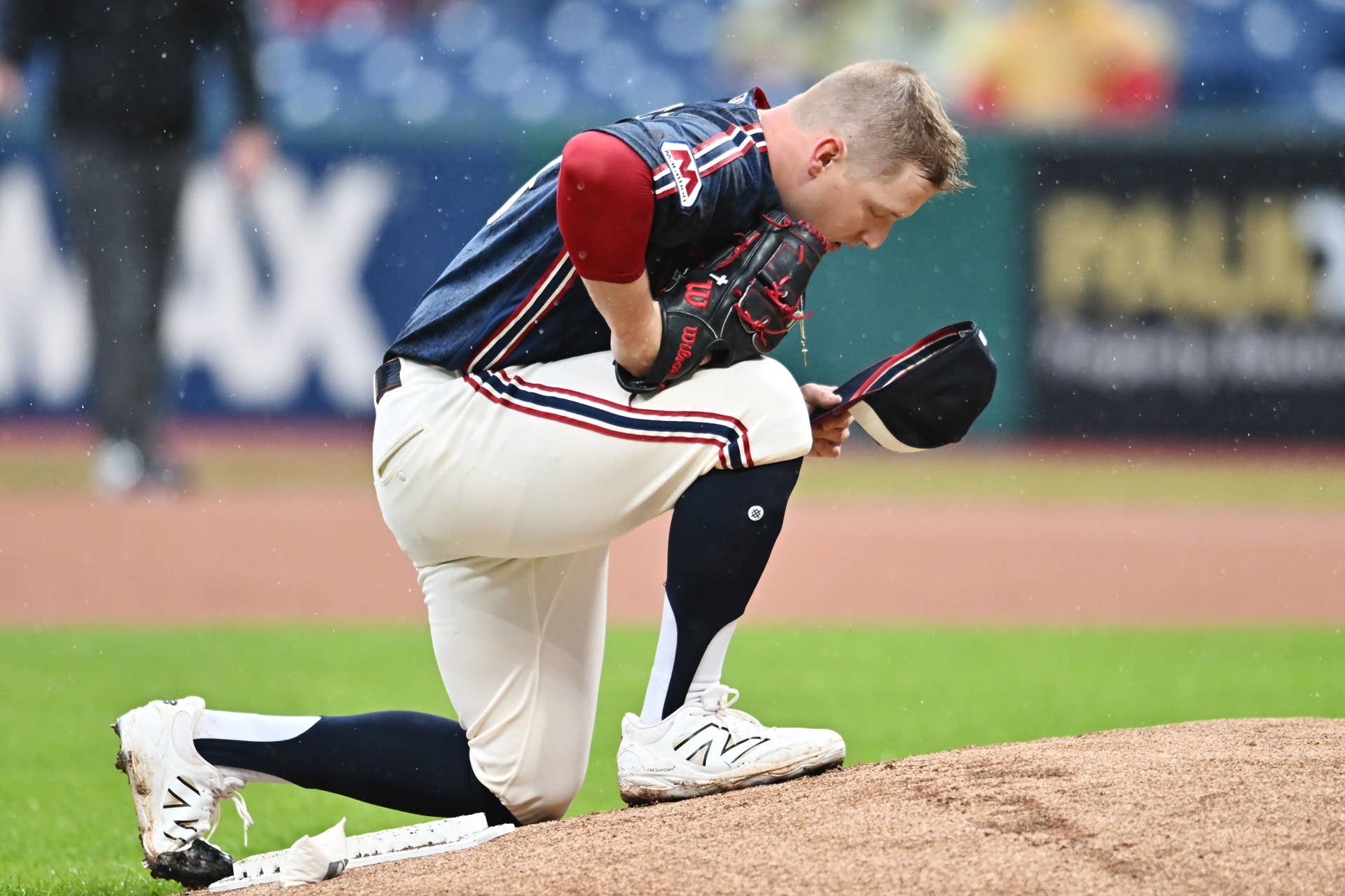
Roster Percentage Targets and Trade Value
The format breakdown is quick.
Categories leagues: He's an SP3 right now with a genuine SP2 path if the command holds through June. ERA, WHIP, strikeouts — he checks all three boxes without torching your walk rate. Pay SP3 value, feel good about it.
Points leagues: His strikeout and walk numbers make him even more valuable here than his ERA suggests. Pay SP2 value. The floor justifies the premium.
Waiver wire: If he's still available in your 12-team league, drop whatever you need to drop and stop reading this. Go.
Dynasty: Hold him and be happy. A 25-year-old with a 2.40 ERA, a 0.92 WHIP, and a bounce-back start after his first real adversity of the season is not complicated.
The takeaway for the rest of 2026 is simple. Walk rate predicts young starter sustainability better than strikeout rate. Punch-out artists without command fall apart the moment hitters catch up. Messick has command, he has a mix, and he just proved he can regroup after a tough outing. The market figured him out. That doesn't mean you missed the boat. It means the price went up on something that's actually worth it.
Questions About Parker Messick, Answered
Why has Parker Messick become one of the most believable breakout pitchers of May 2026?
His consistent command, deep pitch mix, and ability to adjust within starts give him a higher floor than most young arms.
Is Parker Messick a stable SP3/SP4 or does he have SP2 upside?
The article examines his arsenal flexibility and projects him as a stable SP3/SP4 with legitimate SP2 upside if the command holds.
Should I add Parker Messick on waivers or trade for him right now?
If he is available on waivers, go there now and put in your claim. As for trading, he’s a good target but don’t count on much more than SP3 from him.
What risk factors remain with Parker Messick in 2026?
The article discusses typical young-starter regression patterns and what would need to happen for his performance to drop.
How high should my waiver wire priority be for Messick?
The article gives exact priority and fab bid recommendations based on league size.
More must-reads:
- Yankees flirt with franchise record vs. Athletics
- Phillies' Bryce Harper weighs in on looming labor strife
- The 'Foreign-born 250-HR club' quiz
Breaking News
Trending News





Customize Your Newsletter
 +
+




Get the latest news and rumors, customized to your favorite sports and teams. Emailed daily. Always free!
PRIVACY POLICY COOKIE POLICY CONTACT US
ABOUT YARDBARKER TERMS OF SERVICE


By using this site, you agree to our Terms of Service and Privacy Policy.
This site is for entertainment purposes only.
There is no gambling offered on this site.
Gambling Problem? Call 1-800-Gambler.
