
-

-


Follow Us
-

 On Facebook
 On Flipboard

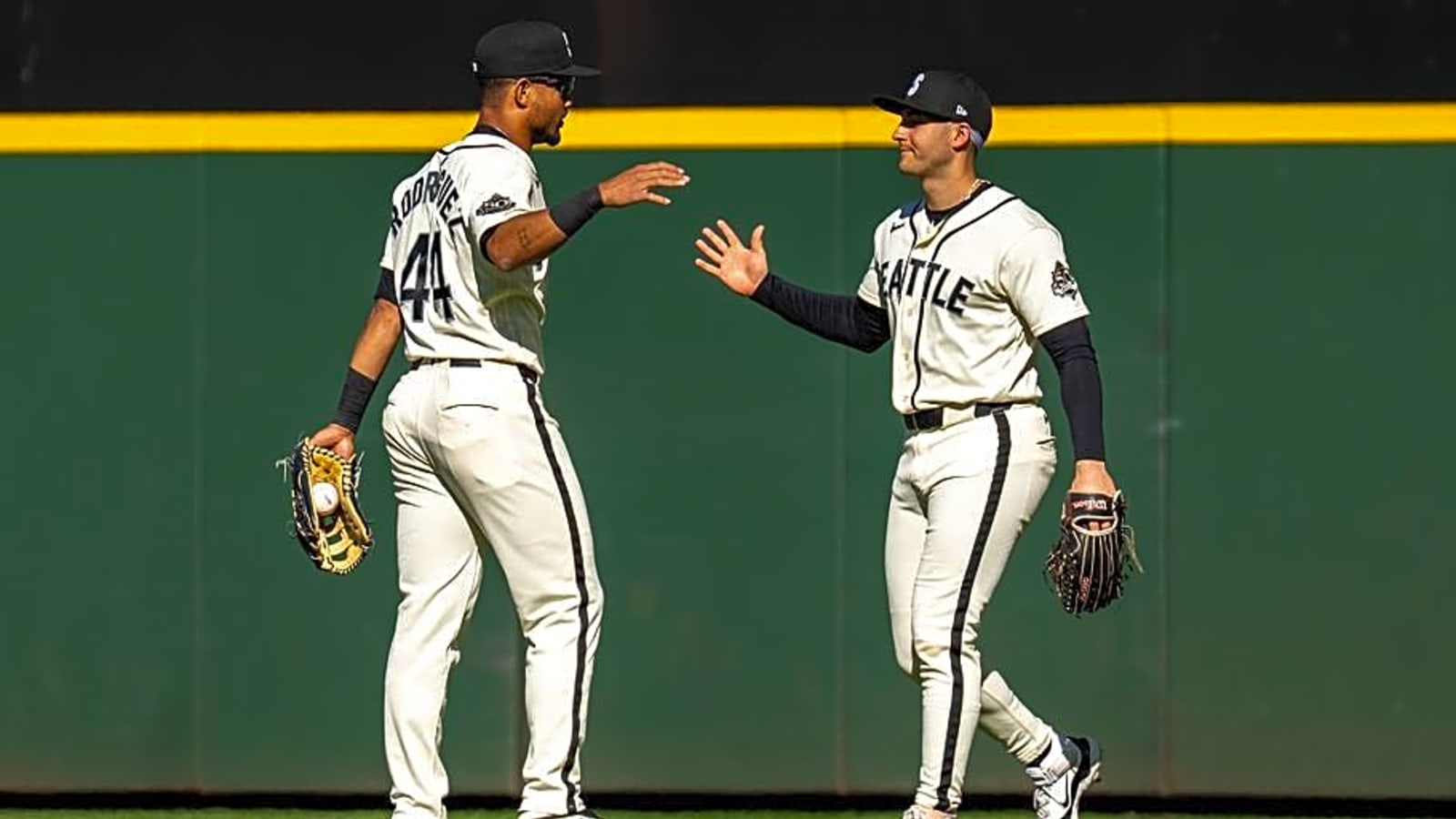
The Mariners spent 2026 learning how quickly a championship window can start closing. It’s almost like they weren’t paying attention to those who warned them about it. One year after coming within eight outs of the World Series, Seattle won 76 games and fired its manager. That’s what happens when a talented roster runs out of answers and the organization keeps waiting for the same answers to work again.
This winter, something’s got to give. They have homegrown players like Julio Rodríguez and Cal Raleigh already settled. They have a rotation most teams would happily build around. The Mariners’ job is to stop decorating the edges of their core and finally give it enough help to win something.
A successful offseason must be bigger than routine maintenance. After wasting the expectations created by their 2025 playoff run, the Mariners need to fix the roster, the coaching structure and the disconnect between those two things.
Mariners Need an Impact Bat, Not Another Matchup Piece
One of the Mariners’ most obvious roster needs is an impact right-handed bat. Especially now that they are likely to lose Randy Arozarena in free agency.
That player doesn’t have to be a batting-title candidate or anything to that extreme. But he really needs to make the lineup more dangerous against left-handed pitching and keep Rodríguez from playing like he has to carry so much of the offense.
Seattle has been trying to find the right platoon advantage for several seasons now. It’s not working. A dangerous hitter removes some of that guesswork.
Mariners’ Next Manager Must Fix Their Development Disconnect
Jerry Dipoto acknowledged that players who came through Seattle’s farm system abandoned parts of their developmental approach after reaching the majors. That’s a big organizational failure. It means the Mariners effectively operated two programs. One of them taught young hitters how to succeed on the way up and another that asked them to change after arriving.
The next manager needs to close that gap. They want an outside voice with a growth mindset. One with quick in-game decision-making and accountability. All good qualities, for sure. The last thing fans want to see is new corporate wallpaper. The new manager must have enough authority.
Pitching coach Pete Woodworth and director of pitching strategy Trent Blank are expected back. Keeping the strongest part of the infrastructure makes sense. The new manager doesn’t need to tear that section apart.
He should, however, be able to tell the baseball-operations department when its offensive plan is failing.
Torey Lovullo is staying in Arizona. Stephen Vogt remains under contract with Cleveland and sounds extremely unlikely even if Seattle explores the unusual possibility of acquiring him. Alex Cora reportedly is not interested in managing in 2027. And now Don Mattingly may be staying put in Philly. The recognizable names are disappearing, but that doesn’t mean the front office can’t find what they’re looking for in Seattle’s new skipper.
Mariners Should Exercise Andrés Muñoz’s Club Option
Some offseason calls actually require extensive debate. Exercising Andrés Muñoz’s club option is not one of them. He did struggle in 2026, recording a 4.24 ERA and blew ten saves. His 2027 option is listed at a base value of $8 million, with a possible escalator tied to games finished. Even after a down season, that remains a reasonable price for a high-leverage reliever with his kind of stuff.
Víctor Robles presents the opposite decision. His $9 million club option comes with a $500,000 buyout, and Seattle should absolutely decline. It’s nothing personal, and it doesn’t erase what Robles has brought to the club. It’s just too much money for a player whose role and production no longer justify that commitment.
Mariners Should Not Trade a Premium Starter Without Landing an Impact Bat
It’s likely that Seattle will hear trade offers involving Bryan Woo, Emerson Hancock, George Kirby and Logan Gilbert. That’s inevitable. The front office should listen. However, trading from the rotation makes sense only if they receive an established, controllable impact hitter in return. A collection of prospects won’t do anything for a club whose competitive window is already open.
Emerson Hancock can be discussed in a broader deal. But a premium starter requires a premium return.
What a Successful Mariners Offseason Must Deliver
We will know Seattle had a successful winter if it adds an impact right-handed hitter, reinforces a bullpen that needs more than Muñoz, hires a manager with genuine authority and preserves the top of its rotation unless an exceptional trade becomes available.
The Mariners should also leave the winter with a clearer offensive identity. Young hitters cannot continue arriving from the minors only to receive a different set of instructions.
A successful offseason builds a team capable of reclaiming the AL West. Most of all, it proves the Mariners learned something from a season in which nearly everything went backward.
More must-reads:
- Jose Ramirez is having his big postseason moment as Guardians force Game 5
- Aaron Judge puts pressure on Yankees after playoff sweep
- The 'Most HRs by an MLB first baseman' quiz
Breaking News
Trending News



Customize Your Newsletter
 +
+




Get the latest news and rumors, customized to your favorite sports and teams. Emailed daily. Always free!
PRIVACY POLICY COOKIE POLICY CONTACT US
ABOUT YARDBARKER TERMS OF SERVICE


By using this site, you agree to our Terms of Service and Privacy Policy.
This site is for entertainment purposes only.
There is no gambling offered on this site.
Gambling Problem? Call 1-800-Gambler.
