
-

-


Follow Us
-

 On Facebook
 On Flipboard

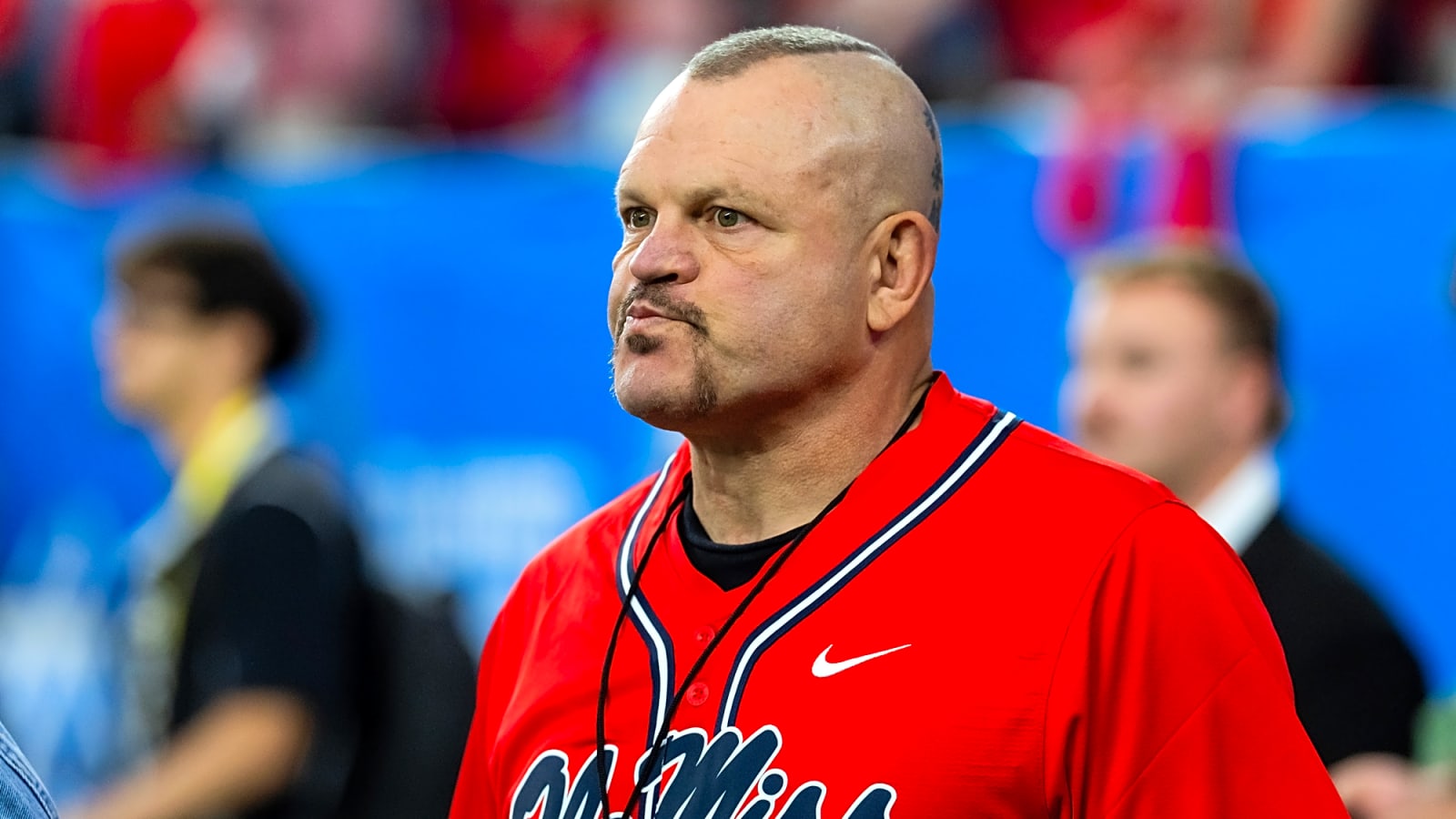
Chuck Liddell understands why fans worry about his health but he’s pushing back on the idea that fighting alone explains the changes people think they see. The UFC Hall of Famer addressed long-running concerns about his speech and cognitive health while speaking with Dominick Cruz on the Love & War podcast. Liddell acknowledged that his 30-fight career was punishing, but said a significant portion of the perceived change stems from a neck surgery he underwent after his trilogy bout with Tito Ortiz in November 2018.
“It’s hard for me because a lot of people I’ve seen people show videos of me before and after,” Liddell said. “But the problem is I damaged my vocal cords and my neck.
“It was either from the surgery or after it. I went in, they’re like, ‘You have damaged one of your, you have three muscles in there and one of them is kind of not working. So the other two will take over for it. So that changes your voice.’”
Dominick Cruz and Chuck Liddell watch Tito Ortiz get sworn in
Image | Source: Dice City Sports
pic.twitter.com/pPByZT4NlB— MMA UNCENSORED (@MMAUNCENSORED1) February 6, 2026

A Career That Took Its Toll
At his peak, Liddell was one of the defining faces of the UFC, reigning as light heavyweight champion from 2005 to 2007 and compiling a highlight reel packed with iconic knockouts. His aggressive, stand-and-trade style made him a fan favorite but it also meant absorbing significant punishment over time.
Late in his career, that wear and tear became more evident. Liddell was finished by strikes in six of his final seven fights, fueling ongoing debate about the long-term effects of his fighting style.
Still, Liddell insists that viral clips circulating online don’t tell the full story. “I’ve seen those and they’ve done a couple with me where it’s like I’m talking to someone and I’m like, ‘Wait, hold on, I forgot, um,’” Liddell said. “And they make that look like, ‘Oh, he’s got a problem with his brain.’ But it is what it is.”
Life After the Octagon
While pushing back on certain narratives, Liddell did acknowledge that post-retirement life presents real mental challenges especially for athletes whose routines were once built entirely around training and competition.
“I learned that for me, I like hitting the bag and sparring and wrestling, jiu-jitsu something competitive,” Liddell said. “It helps me stay calm. It’s the only time in the day my brain shuts off.”
He explained that the importance of that outlet became clear after a freak accident led to three hand surgeries, keeping him from training for nearly a year.
“I had a year where I didn’t hit the bag and I realized, ‘Why am I so on edge?’” Liddell said. “And then as soon as I could start hitting the bags again I was like, ‘Oh.’ That release shutting your brain off and working on something makes everything so much easier.”
For Liddell, staying active isn’t about reliving past glory. It’s about maintaining balance and pushing back against assumptions that, in his view, oversimplify the complex reality of life after a legendary fighting career.
More must-reads:
- Sean McVay sends message to NFL about Rams playing in future Australia games
- Chargers may unleash speedy new WR with Ladd McConkey questionable
- The 'Most lefty-homers in a season' quiz
Breaking News
Trending News







Customize Your Newsletter
 +
+




Get the latest news and rumors, customized to your favorite sports and teams. Emailed daily. Always free!
PRIVACY POLICY COOKIE POLICY CONTACT US
ABOUT YARDBARKER TERMS OF SERVICE


By using this site, you agree to our Terms of Service and Privacy Policy.
This site is for entertainment purposes only.
There is no gambling offered on this site.
Gambling Problem? Call 1-800-Gambler.
