
-

-


Follow Us
-

 On Facebook
 On Flipboard

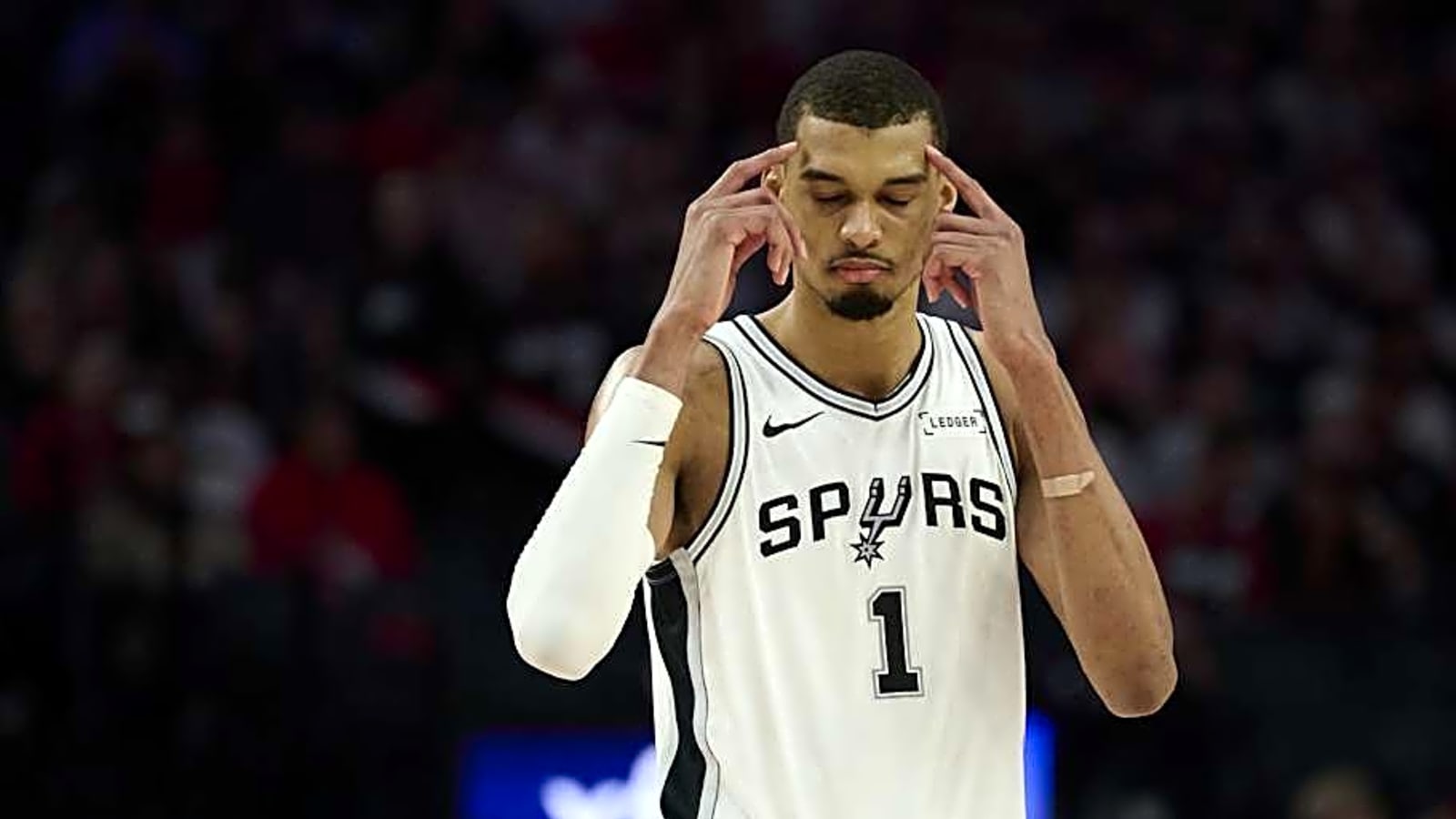
The Los Angeles Clippers aren't participating in the playoffs this year, but there are still plenty of lessons they should take away when they are building a team for the future. The game in the NBA is constantly evolving, and the talent level in today's league is unmatched. To compete in the loaded Western Conference, the Clippers have to make the right offseason moves. What the 2026 NBA Playoffs are showing us should be a big part of that decision-making process.
1- Players who play only one end of the floor can't survive
This has always been an absolute truth in the NBA, and it's only getting more and more important. Versatility and two-way ability are the name of the game in playoff basketball. Teams that don't have enough two-way players have been punching well below their weight so far.
The Houston Rockets and the Detroit Pistons are prime examples. The Rockets need Reed Sheppard for their offense, but he is so bad defensively that he is giving head coach Ime Udoka nightmares. The Pistons have a ton of elite defenders like Ausar Thompson and Ron Holland, but they are such negatives on offense that they destroy any possibility of scoring efficiently when they are on the floor.
These days, teams are too good at scheming against players' weaknesses. By constantly putting bad defenders into action, or not guarding a perimeter non-shooter, opposing coaches are excellent at taking advantage of weaknesses. Having as few one-way players as possible is the best way to build a high-level playoff team, regardless of how strong they are on that one end of the field.
2- Clippers need more shooting and physicality
Shooting is still the premium skill in the NBA. Detroit, Portland, and Houston's offensive struggles in the first round can be explained by their lack of elite shooters. If you can't space the floor with multiple off-ball threats at once, it's very difficult to create enough good looks against elite defenses.
Size is the other key differentiator between contenders and pretenders. Elite teams prioritize size and physicality in every position, and a lot of teams are deploying two-big lineups. The Magic have made Detroit's life a living hell so far, thanks to their physical advantage. The two best teams in the league, OKC and Spurs, both have two seven-footers in their rotation, and play zero players in their rotation who are smaller than their positional average.
The Clippers have to copy this model. In the regular season, they haven't taken or made enough threes. They don't have elite shooters around Kawhi Leonard and Darius Garland. They also lack the necessary playoff physicality. This is especially a concern when your starting point guard is undersized like Garland. The Clippers have to be bigger and nastier at every other position to make up for the size disadvantage Garland creates.
3- Depth is more important than ever
Injuries have been a big storyline once again in the playoffs. The grueling 82-game regular season, followed by intense playoff games, combined with today's high tempo, has caused injuries to spike.
Anthony Edwards, Luka Doncic, Austin Reaves, Kevin Durant, and Franz Wagner have already missed games in these playoffs due to injuries. Donte DiVincenzo suffered a season-ending injury, and plenty of high-level players like Joel Embiid, Deni Avdija, and Aaron Gordon have played through serious injuries.
This is just the reality of today's NBA. Teams that can best survive their stars' absences, both in the regular season and the playoffs, will succeed. This makes depth more important than ever.
Previously, there was a thinking that due to the shrinking rotations in the playoffs, depth is more of a regular-season strength. Given how many players miss time in the postseason nowadays, this is no longer true.
The Clippers have to act accordingly. Building rosters with at least 11-12 players who can contribute at a playoff level is key. Last season, this was certainly not the case. The Clippers can no longer afford to waste roster spots on players who have no chance of being in the playoff rotation.
More must-reads:
- Is it time for star Devin Booker, Phoenix Suns to split?
- Joel Embiid keeps 76ers alive with massive Game 5 effort
- The 'Most 3's in a playoff game by team' quiz
Breaking News
Trending News





Customize Your Newsletter
 +
+




Get the latest news and rumors, customized to your favorite sports and teams. Emailed daily. Always free!
PRIVACY POLICY COOKIE POLICY CONTACT US
ABOUT YARDBARKER TERMS OF SERVICE


By using this site, you agree to our Terms of Service and Privacy Policy.
This site is for entertainment purposes only.
There is no gambling offered on this site.
Gambling Problem? Call 1-800-Gambler.
