
-

-


Follow Us
-

 On Facebook
 On Flipboard


The Portland Trail Blazers’ Game 4 loss to the San Antonio Spurs can be distilled into a single, frustrating paradox: the more the Blazers tried to play winning basketball by attacking the rim, the more they fell into the Spurs' trap.
While the box score might suggest a simple shooting slump, the postgame comments from Tiago Splitter and Jerami Grant reveal a more calculated defensive masterclass by San Antonio.
Here is the breakdown of why Portland’s offense stalled and how the Spurs used Victor Wembanyama as a psychological and physical deterrent.
The Wembanyama Effect
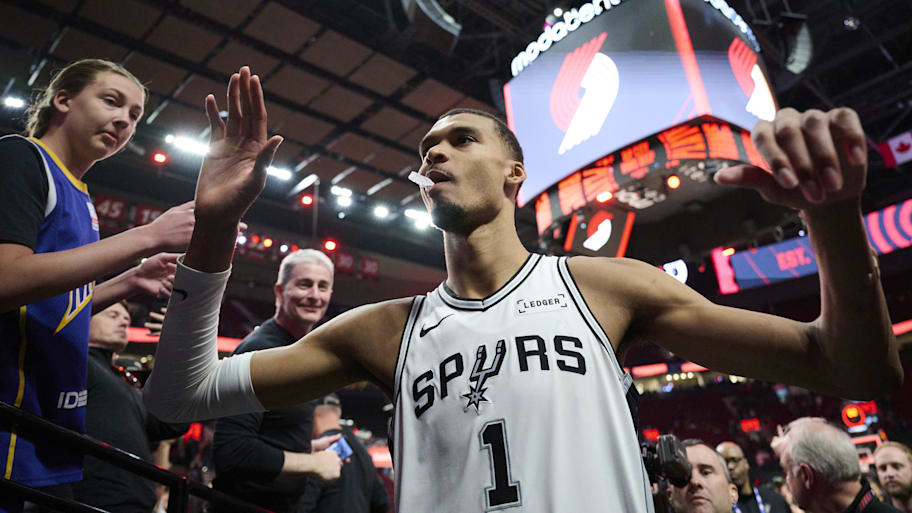
The most glaring issue for Portland was the presence of Victor Wembanyama, who returned after missing Game 3 with a concussion. Most teams want to force the issue in the paint when shots aren't falling, but against San Antonio, the paint is exactly where they want you to go.
“We’re not shooting it well, but also I think that’s their game plan. They’re running everybody off the line, not really helping off shooters. They’re trying to force you into the paint where they can contest shots at the rim," Jerami Grant said via Blazer's Edge reporter Conor Bergin.
By staying home on shooters and refusing to help off the perimeter, the Spurs essentially funneled the Blazers' ball-handlers toward Wembanyama. This forced the Blazers into high-difficulty floaters or contested layups against a 7-4 wingspan.
Poor Shooting
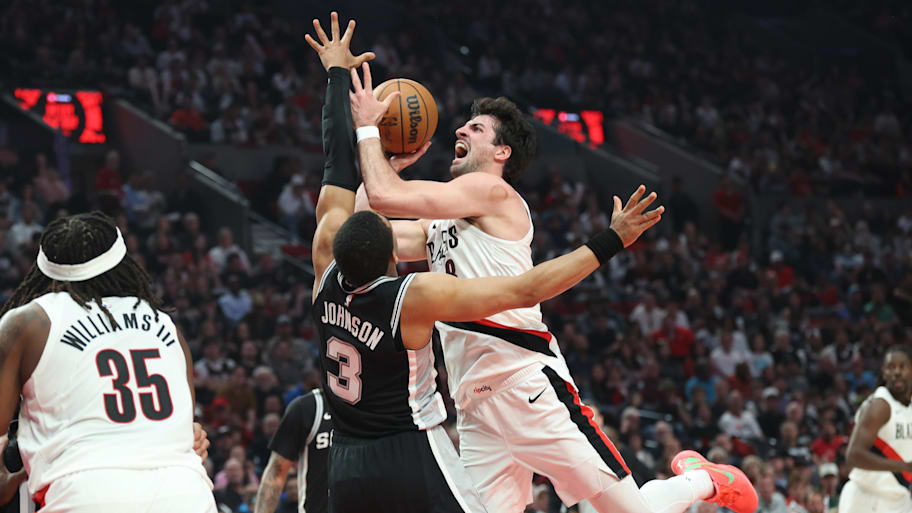
It's a make-or-miss league, but the Blazers' shooting trajectory in Game 4 was a vertical drop. Success in the first half created a false sense of security that the Spurs' defense eventually exploited.
As Blazers head coach Tiago Splitter pointed out, you simply cannot survive that kind of regression when the opposing defense is taking away the rim.
“It doesn’t matter if you’re physical or not, you’ve gotta make shots, right?” Splitter said postgame via Bergin.
“In the first half, I think we were 7 for 16 [on 3s]. And then the second half, we were 3 for 15. So that’s a big change there. You’ve got to make shots to win basketball games, especially when they have [Wembanyama] down at the rim. … [The 3-point shooting] is a big factor.”
Running the Blazers Off The Line
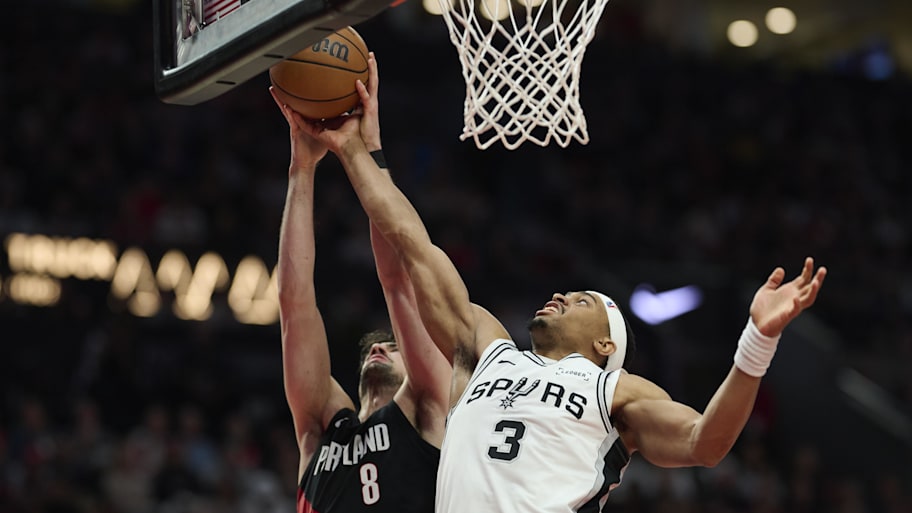
The Spurs’ defensive discipline was the silent killer. Typically, an aggressive drive to the basket forces the defense to collapse, leaving a shooter open for a three in the corner. San Antonio refused to take the bait.
Grant highlighted that the Spurs were running everybody off the line. By staying attached to Portland's perimeter threats, the Spurs forced the Blazers to choose between a contested mid-range jumper or a drive into the teeth of the Wembanyama-led interior defense.
The Bottom Line
The Blazers didn't just lose because they shot poorly. They lost because the Spurs successfully dictated where those shots came from. When Portland's outside shots stopped falling in the second half, they had no secondary escape route.
The Spurs' defense successfully transformed Portland's aggression into a series of low-percentage decisions, proving that in the modern NBA, physicality matters far less than whether the ball goes in the net or not.
More must-reads:
- Desmond Bane stars in front of his former teammates in Game 4 win
- Oklahoma City Thunder sweep their way to second round
- The 'Active 40-point playoff games' quiz
Breaking News
Trending News




Customize Your Newsletter
 +
+




Get the latest news and rumors, customized to your favorite sports and teams. Emailed daily. Always free!
PRIVACY POLICY COOKIE POLICY CONTACT US
ABOUT YARDBARKER TERMS OF SERVICE


By using this site, you agree to our Terms of Service and Privacy Policy.
This site is for entertainment purposes only.
There is no gambling offered on this site.
Gambling Problem? Call 1-800-Gambler.
