
-


Follow Us

 On Facebook
 On Flipboard
 On Twitter
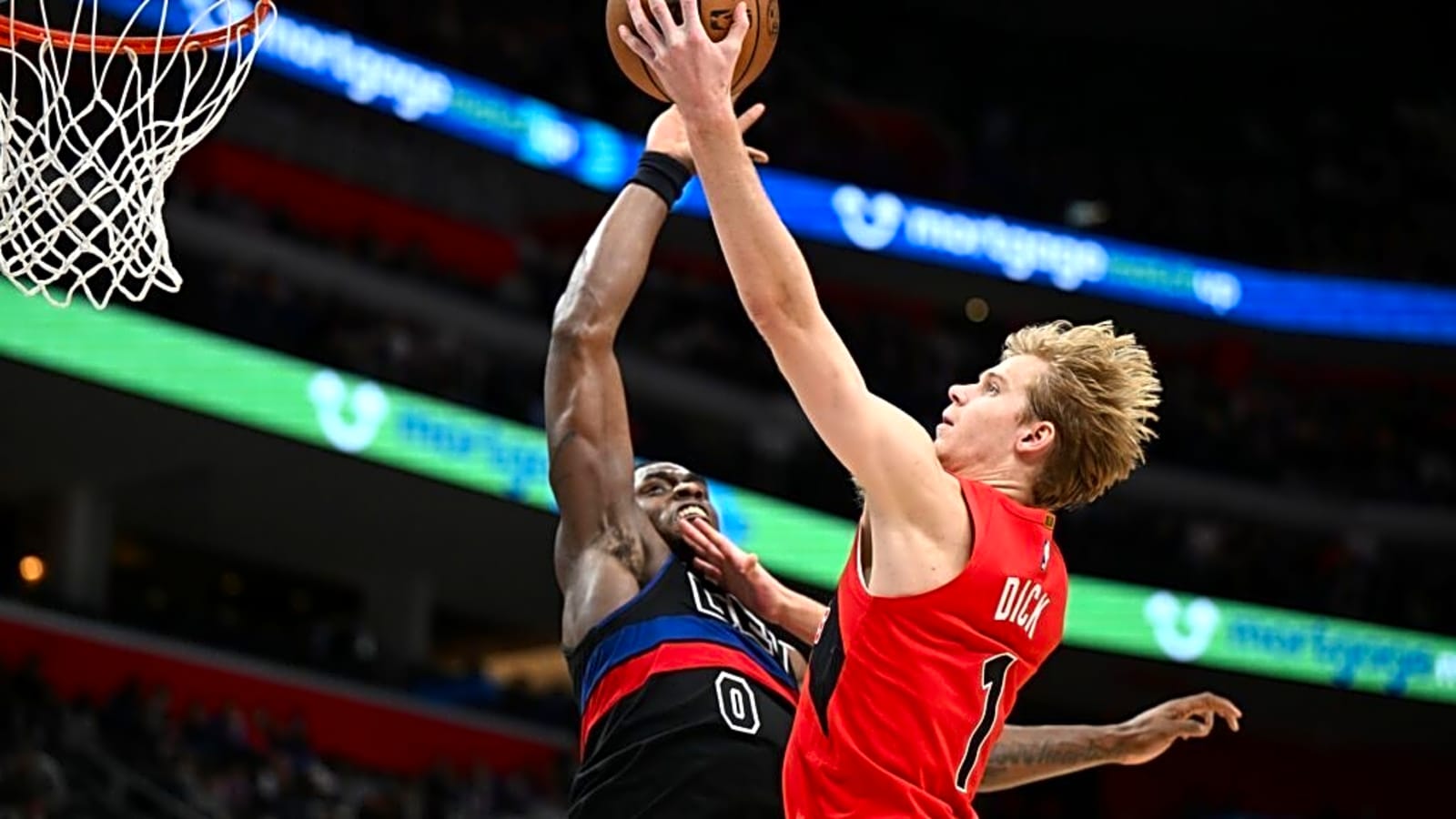
The Toronto Raptors enter tomorrow’s matchup with a meaningful opportunity created by circumstance. Detroit will be without two of its most physical frontcourt players, as Jalen Duren and Isaiah Stewart will both be suspended for their roles in a recent fight, removing size, rebounding, and interior resistance from the Pistons’ rotation. For a Raptors team that thrives when it controls pace and spacing, those absences shift the matchup dynamic in a favorable direction.
While suspensions never guarantee outcomes, losing both Duren and Stewart significantly alters how Detroit can defend the paint and manage physical possessions. That change directly impacts several of Toronto’s strengths.
How Duren and Stewart’s Suspensions Benefit the Raptors
Detroit’s Frontcourt Absences Change the Interior Battle
Duren and Stewart anchor much of Detroit’s physical identity. Duren provides rim pressure, rebounding, and second-chance scoring, while Stewart brings toughness, screens, and interior defense. Without them, the Pistons lose their primary tools for protecting the paint and contesting physical matchups.
That absence forces Detroit to rely on smaller lineups or inexperienced bigs. Against Toronto, that creates immediate vulnerabilities. The Raptors excel at attacking mismatches and forcing rotations, especially when opponents lack rim protection.
Scottie Barnes and Toronto’s Spacing Advantage
Scottie Barnes stands to benefit the most. Barnes has been at his best when operating downhill and attacking gaps rather than fighting through packed paint coverage. Without Duren and Stewart clogging the lane, Barnes should see clearer driving angles and more freedom to create from the mid-post.
Spacing also improves for Toronto’s shooters. Detroit will have fewer opportunities to collapse defensively, which opens kick-out passes and secondary actions. That environment favors Toronto’s ball movement and decision-making, two areas that often dictate their offensive success.
Rebounding and Transition Opportunities
Detroit’s frontcourt suspensions remove two of the team’s most physical rebounders, creating a clear opportunity for Toronto to control the glass. Without Duren and Stewart available, the Pistons lose size, strength, and second-chance scoring around the rim. That absence limits their ability to slow opponents in transition and protect the paint after missed shots.
With Toronto already managing frontcourt limitations due to injuries, the Pistons’ rebounding issues become even more significant in this matchup. Extra possessions and cleaner outlets can allow the Raptors to push the pace, generate early offense, and avoid prolonged half-court possessions. Controlling rebounds will be critical in turning Detroit’s suspensions into a tangible on-court advantage.
Defensive Flexibility Without Physical Pressure
Defensively, Toronto benefits from not having to match Detroit’s physicality inside. That allows the Raptors to stay flexible with their lineups and lean into switching schemes rather than size-based matchups.
Players like Barnes and Ja’Kobe Walter can focus on perimeter containment and help defense instead of battling traditional bigs every possession. That reduces foul risk and keeps Toronto’s defensive rotations cleaner.
Game Outlook and Opportunity
The suspensions of Duren and Stewart do not decide the game on their own. Execution still matters. However, they clearly tilt several matchup factors in Toronto’s favor. Interior scoring, rebounding, and transition play all lean toward the Raptors under these conditions.
If Toronto capitalizes by attacking early, spacing the floor, and controlling the glass, this matchup presents a strong opportunity to secure a win. Against a short-handed frontcourt, discipline and pace should be enough to turn circumstance into advantage.
More must-reads:
- LeBron James shares brutally honest assessment of Lakers after loss to Thunder
- Celtics announce major Jayson Tatum injury update
- The 'Super Bowl MVPs' quiz
Breaking News
Trending News








Customize Your Newsletter
 +
+




Get the latest news and rumors, customized to your favorite sports and teams. Emailed daily. Always free!
PRIVACY POLICY EDITORIAL POLICY CONTACT US
ABOUT YARDBARKER TERMS OF SERVICE


Use of this website (including any and all parts and
components) constitutes your acceptance of these
Terms of Service and Privacy Policy.
This site is for entertainment purposes only.
There is no gambling offered on this site.
Gambling Problem? Call 1-800-Gambler.
