
-


Follow Us

 On Facebook
 On Flipboard
 On Twitter
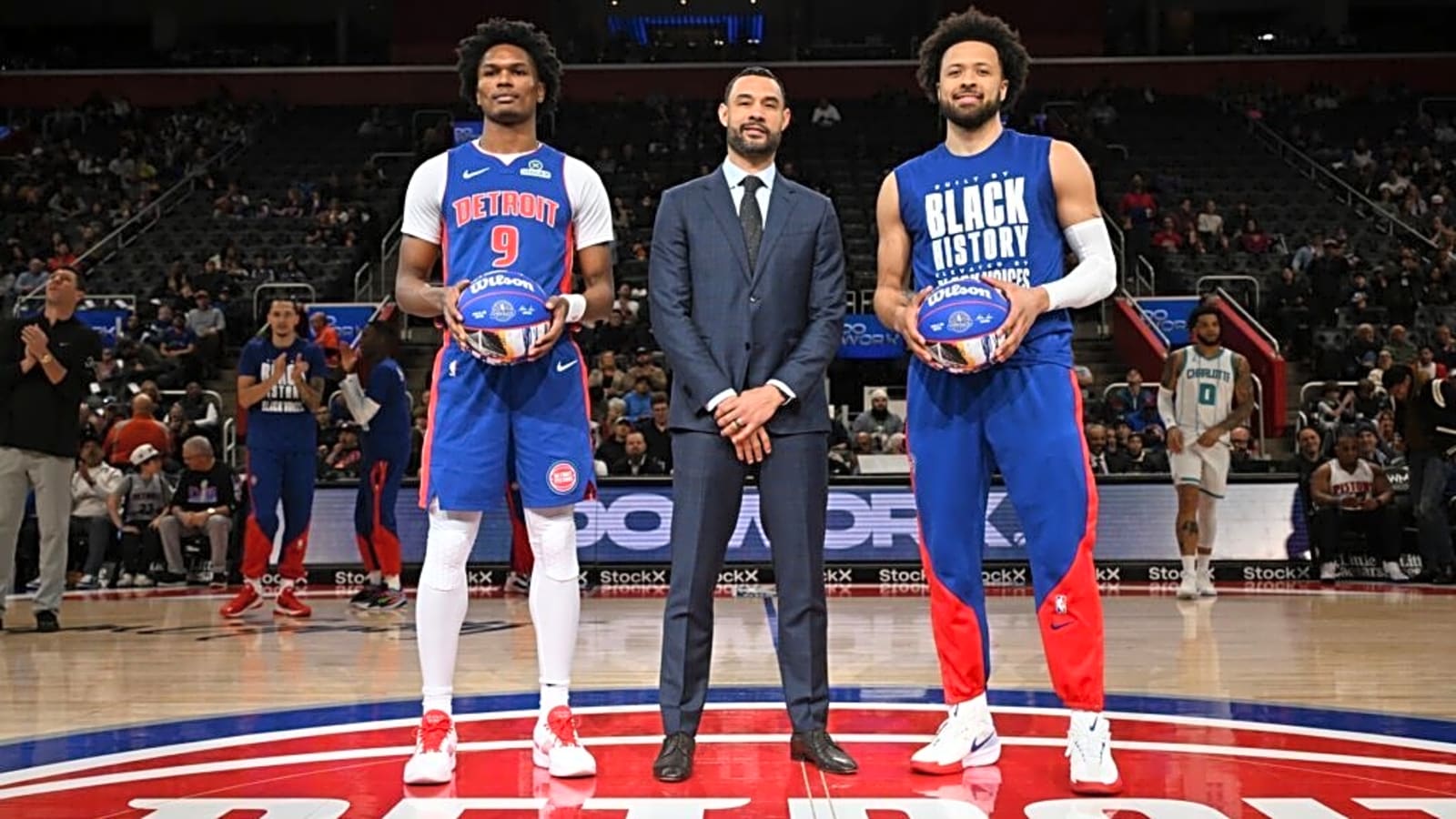
When Trajan Langdon took over the Detroit Pistons in 2024, he stepped into a rare opportunity. Detroit already had an emerging star in Cade Cunningham, a developing interior presence in Jalen Duren, and intriguing young pieces in Ausar Thompson and Isaiah Stewart. The task wasn’t to tear down—it was to balance patience with precision.
Since taking the job, Langdon has made several trades and signings that initially tested the fan base’s trust. Yet, despite the hesitation, those decisions steadily pushed the Pistons back toward relevance.
That trust was tested again at the trade deadline, when Langdon acquired Kevin Huerter from the Chicago Bulls—at the cost of Jaden Ivey. It was a move that raised eyebrows, especially given Langdon’s track record as a talent evaluator. So how does this deal align with the philosophy that’s guided his tenure so far? Let’s dive in.
Langdon Trades Show Pistons Choose Structure Over Names
A Langdon Trade Built on Trust
Last summer, Langdon traded for a specific need for the Pistons, acquiring Duncan Robinson to fill the role of a true three-point specialist. The move was met with skepticism, and early returns did little to quiet the noise.
That doubt has since faded. Robinson has settled into his role and become exactly the shooter Langdon envisioned, knocking down 40.1% of his attempts from deep. Beyond the numbers, he’s brought value through leadership, effort, and a willingness to compete on both ends—traits that don’t always show up in the box score.
When a player fails to stick with a previous team, it’s easy to focus on why it didn’t work. But fit matters as much as talent. Sometimes, all it takes is the right environment and a fresh start—something Langdon has consistently trusted his eye to identify.
Defined Role, Renewed Confidence

At first glance, the Pistons’ acquisition of Huerter appears questionable. He’s shooting just 31% from three this season and has dealt with injuries, while the decision to move on from Ivey was widely viewed as head-scratching. But for Huerter, context matters—and so does clarity.
In Detroit, Huerter’s responsibilities are clearly defined: space the floor, take open threes, and defend within the team concept. He’s no longer being asked to create or operate outside his strengths. That clarity should allow him to play freely, especially within a group that values trust and cohesion.
For shooters, confidence isn’t optional—it’s foundational. The Pistons’ togetherness has created an environment where Huerter can simplify his game, trust his role, and focus on what he does best. And when role and confidence align, production tends to follow.
Why Direction Matters More Than Approval
Some players need freedom, others need definition. The challenge isn’t identifying talent, but understanding which situations allow that talent to thrive consistently. That belief has shaped the Pistons’ recent decisions. Moves that draw criticism on the surface often stem from a deeper responsibility to the roster as a whole—accepting that progress requires uncomfortable choices, and trusting that the right structure ultimately brings out the best in the players who fit it.
The Last Word
Championship teams aren’t built by chasing approval. They’re built by committing to a vision. Since taking over, Trajan Langdon has made it clear the Pistons are no longer operating in survival mode, but in pursuit of sustainable contention.
Moves involving Robinson, Huerter, and Ivey weren’t about comfort or popularity. They focused on defining roles, aligning timelines, and building a roster capable of performing under pressure. That’s how contenders are formed—not overnight, but with purpose. Detroit isn’t guessing anymore. It’s building like a team that expects to matter when it counts.
More must-reads:
- Celtics announce major Jayson Tatum injury update
- Kawhi Leonard’s long-term Clippers future gets telling update
- The 'Super Bowl coaches since 2000' quiz
Breaking News
Trending News








Customize Your Newsletter
 +
+




Get the latest news and rumors, customized to your favorite sports and teams. Emailed daily. Always free!
PRIVACY POLICY EDITORIAL POLICY CONTACT US
ABOUT YARDBARKER TERMS OF SERVICE


Use of this website (including any and all parts and
components) constitutes your acceptance of these
Terms of Service and Privacy Policy.
This site is for entertainment purposes only.
There is no gambling offered on this site.
Gambling Problem? Call 1-800-Gambler.
