
-


Follow Us

 On Facebook
 On Flipboard
 On Twitter
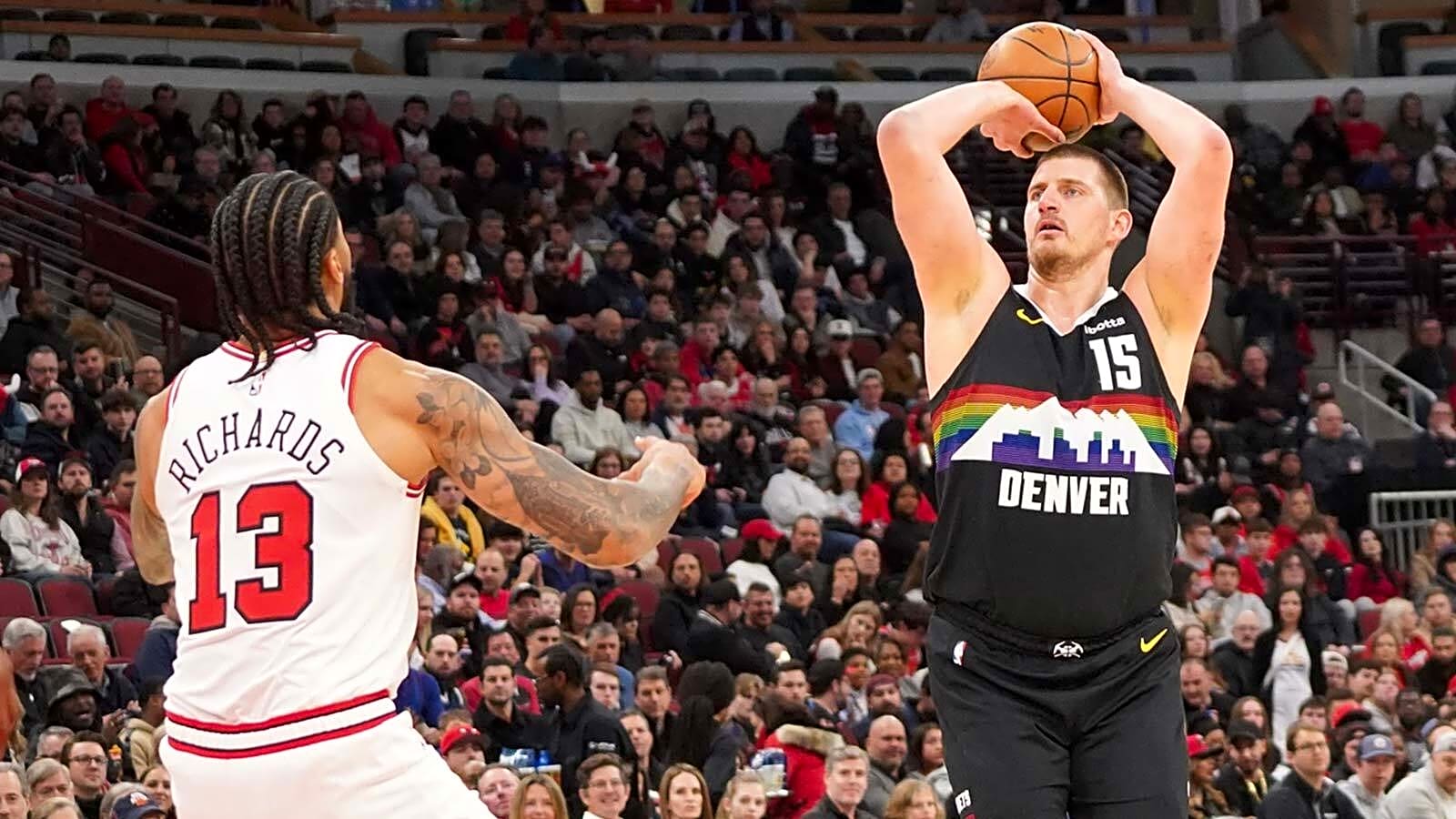
Watching the Denver Nuggets operate in the Nikola Jokic era has always required a dual lens. First, fans must trust the Serbian superstar’s generational brilliance. Next, fans must also recognize how thin the margins are around him. Championships demand depth, durability, and timely aggression. Yet at the 2026 NBA trade deadline, Denver opted for restraint. Amid the Western Conference’s arms race, the Nuggets’ biggest mistake was the opportunity they declined to seize when their championship infrastructure needed reinforcement most.
Blazing start
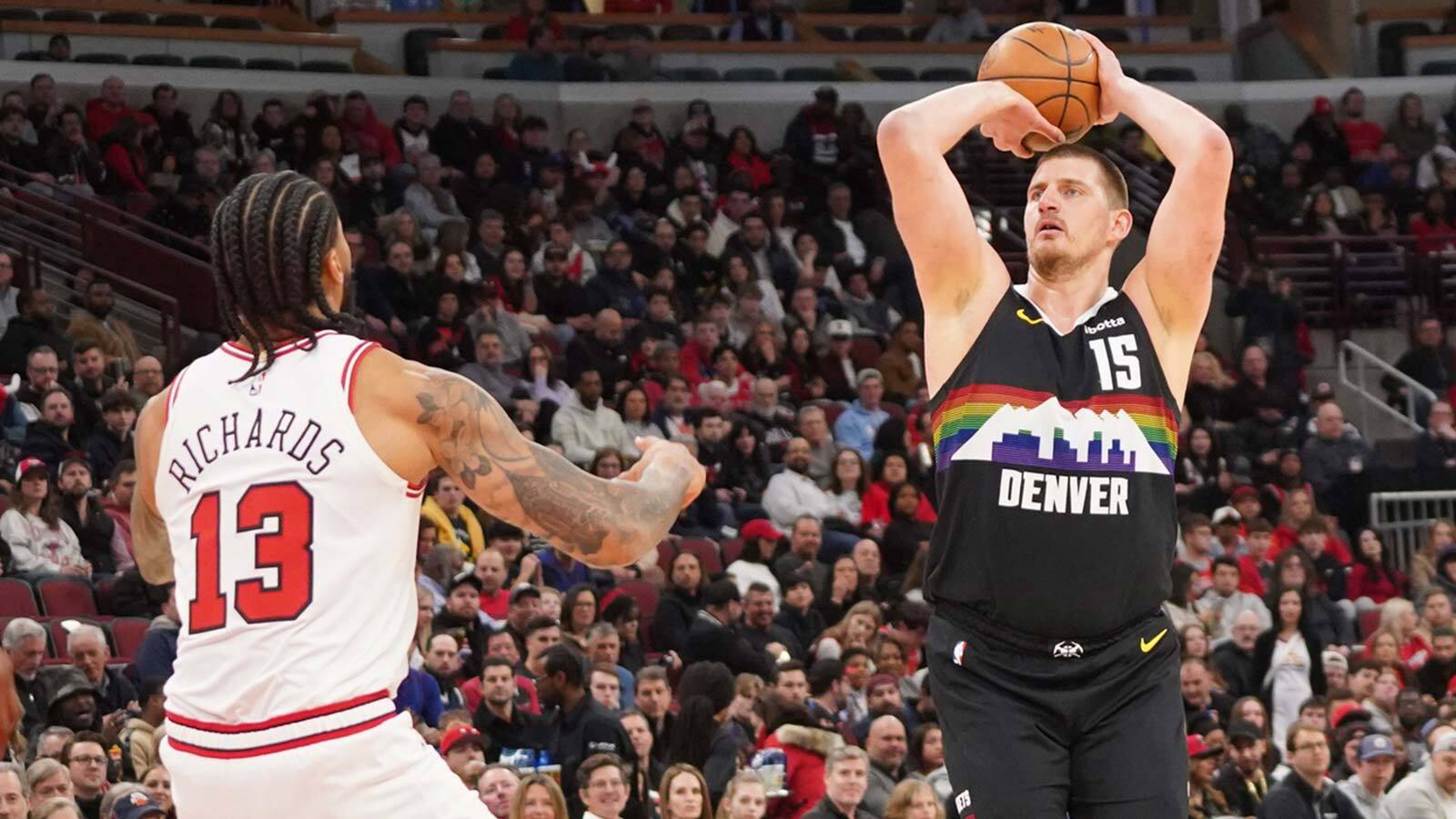
The 2025-26 campaign marked a new chapter in Denver basketball. David Adelman stepped in as head coach and front-office leadership transitioned to Ben Tenzer and Jon Wallace. As such, the Nuggets entered the season balancing continuity with recalibration.
Early returns were emphatic. Denver stormed to a franchise-best 17-6 start, powered by the league’s most efficient offense. The front office’s aggressive offseason reshaping paid immediate dividends. Cameron Johnson delivered spacing and defensive versatility. Meanwhile, Jonas Valanciunas added physical interior insurance behind Jokic. The emotional return of Bruce Brown also restored connective tissue to Denver’s second unit. Tim Hardaway Jr injected microwave scoring the bench had lacked the previous year.
At the center of it all was Jokic, who somehow elevated his absurd baseline. His Christmas Day masterpiece saw a historic 55-point, 15-rebound, 15-assist performance. That was another statistical landmark into NBA lore and reinforced his status as the league’s most unstoppable offensive hub.
Surviving the storm
Momentum, however, gave way to adversity in late December when Jokic suffered a left knee injury that sidelined him for four weeks. For most contenders, losing the best player in basketball for a month would trigger a free fall.
Denver steadied instead. Aaron Gordon and Jamal Murray also missed stretches, yet the Nuggets remained afloat. They currently hold a 34-19 record and the West’s No. 3 seed. The survival story became a testament to organizational depth.
Peyton Watson emerged as January’s revelation. He averaged nearly 24 points per game during Jokic’s absence and showcased star-level two-way upside. Hardaway surged into Sixth Man of the Year conversations. He helped stabilize bench scoring in high-leverage moments. Even so, the workload distribution raised concerns. Starters logged heavy minutes, and Murray’s hip injury shortly before the deadline amplified fears about playoff durability.
Dangerous but fragile
This trade deadline represented the first in-season stress test for Denver’s new leadership group. The roster had already undergone significant offseason restructuring. Injuries had exposed depth vulnerabilities. Western rivals were loading up.
The conditions seemed primed for reinforcement, particularly frontcourt insurance and secondary playmaking support. Instead, Denver made one of the quietest deadlines of any contender.
The Nuggets’ lone trade deadline transaction sent Hunter Tyson and a 2032 second-round pick to the Brooklyn Nets in exchange for a 2026 second-rounder. On the surface, the deal barely registered competitively. Its true purpose was financial.
By offloading Tyson’s $2.2 million salary, Denver ducked below the luxury tax threshold. They consequently avoided repeater-tax penalties that would have compounded future payroll burdens. The move also opened a roster slot to convert Spencer Jones from a two-way contract to a standard deal. That ensured postseason eligibility.
From an accounting standpoint, it was efficient. From a competitive standpoint, it was inert.
Prudence vs. urgency
The decision underscored Denver’s organizational tightrope. Ownership has historically balanced contention with fiscal caution. Of course, repeater-tax avoidance carries long-term benefits. That said, timing matters.
This wasn’t a fringe playoff team managing a rebuild. This was a top-three seed with arguably the best player in the world and a championship window firmly open. Financial relief, while prudent, offered no on-court insulation against injury risk or playoff attrition. Denver saved money but didn’t add wins.
Jokic’s January injury should have served as a flashing warning light. Sure, Valanciunas provided regular-season coverage. Still, Denver lacked a versatile defensive big capable of playoff matchup flexibility.
Against teams deploying elite athletic frontcourts, the Nuggets remain dependent on Jokic’s durability and Gordon’s physical toll. Adding someone capable of absorbing defensive minutes would have preserved legs and diversified postseason options. Instead, Denver doubled down on health optimism.
Playmaking left unaddressed
Murray’s late-January hip issue further magnified another omission: secondary creation. Brown and Hardaway offer connective offense. However, neither replicates Murray’s pick-and-roll orchestration. Should Murray’s health falter in a playoff series, Denver’s offense risks becoming overly Jokic-dependent. That’s an exploitable dynamic against elite defensive schemes built to swarm the MVP. A veteran ball-handler could have mitigated that exposure. The Nuggets chose continuity over contingency.
Denver’s restraint becomes more glaring when viewed against the broader deadline ecosystem. Contenders and challengers alike moved assertively. They reinforced depth, size, and shot creation. The West remains a nightly gauntlet, where playoff seeding could hinge on one injury, one matchup wrinkle, one fatigued rotation. While rivals fortified, Denver economized.
To be fair, the Nuggets’ confidence isn’t unfounded. Watson’s leap, Brown’s reintegration, and Hardaway’s scoring surge provide internal reinforcement pathways. Adelman’s system continuity also cushions roster turbulence. Internal growth, though, is an exercise in probability. Deadline acquisitions are preventative. Denver chose belief over insurance.
Cost of caution
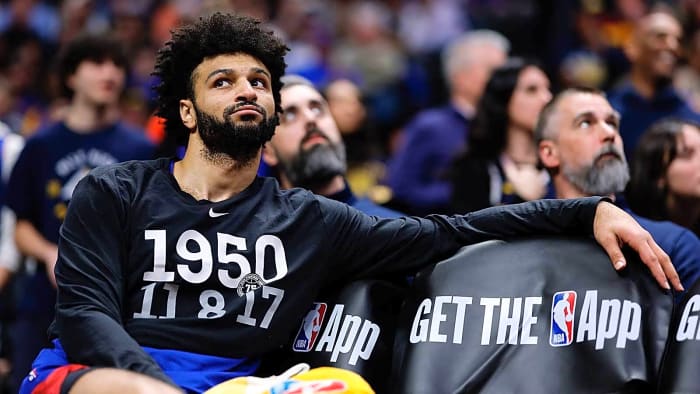
The Nuggets did not sabotage their title hopes. They remain elite, anchored by Jokic’s genius and a battle-tested core. Yet the 2026 deadline may eventually reveal a philosophical fault line. Denver prioritized financial flexibility over competitive reinforcement at a moment when marginal upgrades could have meaningfully reduced postseason risk.
If the Nuggets fall short due to fatigue, injury, or matchup limitations in May, the retrospective will crystallize quickly. This season, Denver needed support systems around its superstar. Still, the front office’s biggest move was saving money instead of strengthening the margins that championships are built upon.
More must-reads:
- Four players ejected after altercation between Pistons, Hornets
- Damian Lillard making an improbable return to All-Star Weekend
- The 'Super Bowl coaches since 2000' quiz
Breaking News
Trending News




Customize Your Newsletter
 +
+




Get the latest news and rumors, customized to your favorite sports and teams. Emailed daily. Always free!
PRIVACY POLICY EDITORIAL POLICY CONTACT US
ABOUT YARDBARKER TERMS OF SERVICE


Use of this website (including any and all parts and
components) constitutes your acceptance of these
Terms of Service and Privacy Policy.
This site is for entertainment purposes only.
There is no gambling offered on this site.
Gambling Problem? Call 1-800-Gambler.
