
-


Follow Us

 On Facebook
 On Flipboard
 On Twitter
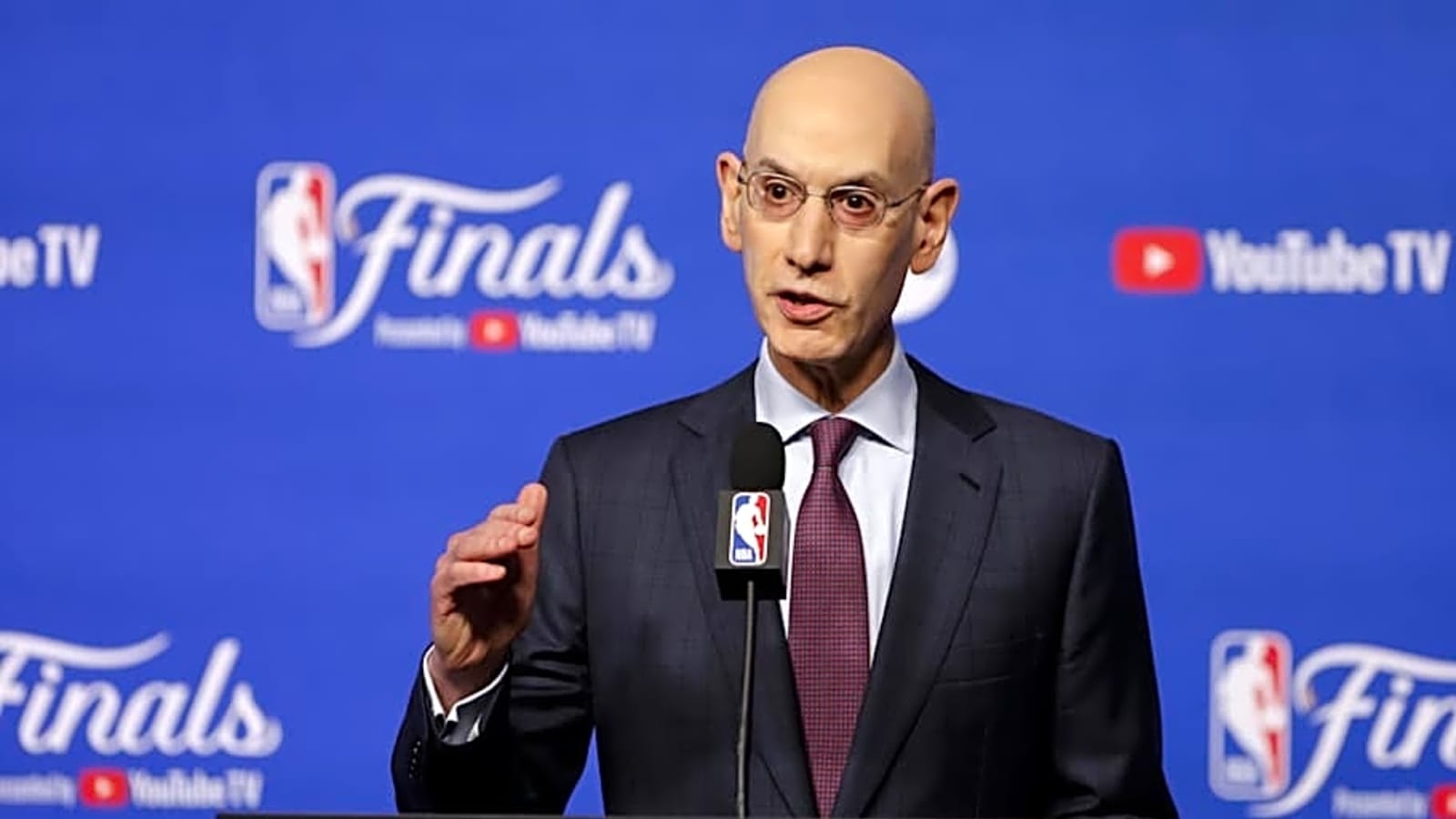
The NBA is preparing to take its most aggressive step yet in the fight against tanking, and changes could be implemented as soon as 2027.
Following this week’s general managers meeting, ESPN’s Shams Charania reported that Commissioner Adam Silver informed all 30 teams that the league intends to introduce new anti-tanking measures next season.
“Commissioner Adam Silver informed the league's 30 general managers on Thursday that the NBA plans to make anti-tanking rule changes for next season, sources tell ESPN. Stakeholders have intensified dialogue about combating tanking,” Charania reported.Shams Charania via X
He also outlined several proposals that have been discussed:
One proposal stands out more than the others, and what some have jokingly labeled the “Pacers Rule”: preventing a team from picking in the top four the year after reaching the conference finals. That would eliminate the Pacers from a top four pick this season.
If that rule had been in place last season, the Dallas Mavericks would not have been allowed to win the draft lottery and land Cooper Flagg. Of course, Dallas trading Luka Dončić to the Los Angeles Lakers was an organizational decision, not a free-agent departure that forced a rebuild like we've seen before, notably, LeBron James' departure for Miami from Cleveland.
That proposal also raises logistical questions. What happens if a conference finalist acquires a draft pick via trade that lands in the top four? Would that team still be barred from selecting there? Or would the restriction only apply to its own pick? The details matter, and they’re far from simple.
Still, debating the pros and cons of each proposal may miss the larger issue. Tanking is the symptom, not the problem.
Of all these ideas, my favorite is the lottery odds being based on your 2 year record
— Tucker (@SportingLogical) February 19, 2026
My least favorite is further flattening the odds - the flattened odds are a big reason things have gotten worse https://t.co/7nBgmW29gy
First, there are simply too many games. This has been said countless times, but it remains true. The 82-game schedule is unlikely to disappear with the television deal in place, yet reducing the number of games would improve player health and increase the significance of each matchup. It would also eliminate many back-to-backs and three-games-in-four-nights stretches that prompt teams to rest key players.
Second, the rise of legalized gambling has amplified the problem. With league sponsors and partners heavily invested in sports betting, predictable outcomes, particularly when a third of the league is jockeying for lottery position, create financial concerns. That reality increases pressure on the league office to curb tanking.
Third, accessibility remains a major frustration. Ticket and concession prices are high, and streaming access is expensive. NBA League Pass blackout restrictions limit viewership in many markets, and aside from select regular-season games and the NBA Finals, few contests air on free broadcast networks. Silver himself acknowledged last season that the NBA has become a “highlight league” driven by social media consumption. But when fans pay premium prices and see stars sitting, dissatisfaction grows.
Every professional league has struggling teams. The objective should be competitive balance across all 30 franchises. However, some of these proposed reforms could unintentionally trap bottom-tier teams without a clear path forward.
For the Indiana Pacers, finishing near the bottom of the standings has historically been rare. The franchise has consistently prioritized competitiveness over extended rebuilding seasons. While new anti-tanking rules may not immediately impact Indiana, it is reasonable to assume they eventually will.
Here’s Rick Carlisle on ESPNs report that anti-tanking rule changes could be coming: pic.twitter.com/LbE15EMcMr
— Tony East (@TonyREast) February 19, 2026
When asked whether the league needs to address tanking, head coach Rick Carlisle offered a concise response: “Yes, it’s great news.”
At the end of the day, the league is at its best when meaningful, competitive basketball is being played under the brightest lights. No coach, player or front office executive sets out to lose games. It’s harmful to the sport, frustrating for fans and damaging to the league’s overall product.
The hope is that whatever final decision the NBA reaches strikes a fair balance, one that preserves competitive integrity while still giving struggling franchises a viable path forward. Most notably, despite suggestions from some corners, abolishing the draft does not appear to be under serious consideration, and that would present an even greater set of challenges if it were.
More must-reads:
- NBA's new anti-tanking rules might not totally work
- 76ers star Joel Embiid out vs. Hawks, underscoring a frustrating trend
- The 'NBA All-Star MVPs' quiz
Breaking News
Trending News




Customize Your Newsletter
 +
+




Get the latest news and rumors, customized to your favorite sports and teams. Emailed daily. Always free!
PRIVACY POLICY COOKIE POLICY CONTACT US
ABOUT YARDBARKER TERMS OF SERVICE


By using this site, you agree to our Terms of Service and Privacy Policy.
This site is for entertainment purposes only.
There is no gambling offered on this site.
Gambling Problem? Call 1-800-Gambler.
