x
The 20 greatest late bloomers in NBA history
Soobum Im/IMAGN

The 20 greatest late bloomers in NBA history

Youth is valuable in the NBA, as the hope is that by snatching up a young player, teams can have a useful contributor for many seasons to come. Sometimes, though, it takes a minute for guys to start reaching their potential. These are the league's best-ever late bloomers.

 
Chauncey Billups
Julian H. Gonzalez/Imagn

Billups was the third overall draft pick in 1997, but the early returns weren't star-level. He spent time with four teams in his first five seasons, but Detroit proved to be the right environment for him to thrive. He was a key component of the team's 2004 championship, and in 2006, his ninth season, he made his first All-Star team.

 
2 of 20

Steve Nash

Steve Nash
Jennifer Stewart/Imagn

For his first couple of seasons in Phoenix, Nash was a decent backup, but then they shipped him to Dallas. He got more opportunities there, but his numbers remained unspectacular. By his sixth season, though, he was an All-Star for the first time, and by his ninth and tenth, he won back-to-back MVP trophies.

 
3 of 20

Ben Wallace

Ben Wallace
Jeff Hanisch/Imagn

Wallace was undrafted, but Washington took a chance on him and he eventually found a role as a rebounder and shot-blocker. It was again the Pistons who found a diamond in the rough and by his sixth year, he won his first of four Defensive Player Of The Year awards. Wallace was also a core component of that Detroit championship and Wallace is remembered as one of the best defenders of his era and of all time.

 
4 of 20

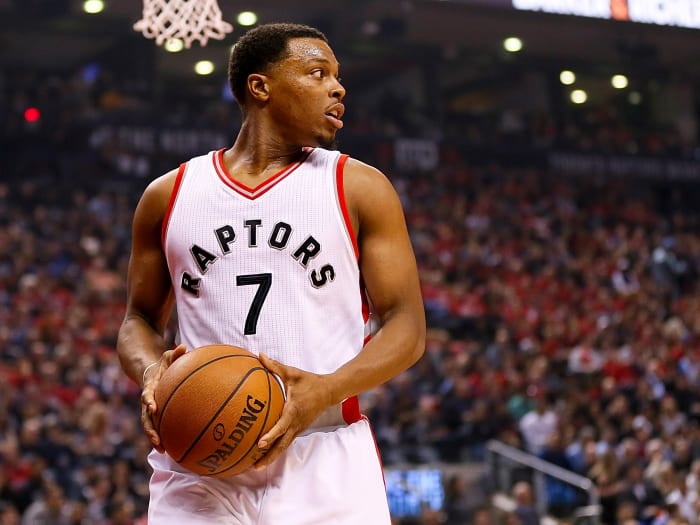
Kyle Lowry

Kyle Lowry
John E. Sokolowski/Imagn

Lowry was a decent backup and sometimes-starter in Memphis and Houston, and then he found himself in Toronto. By his ninth season, he made his first All-Star team. He kept on making them, too, and was one of the league's better guards of the latter half of the 2010s.

 
5 of 20

Hedo Türkoğlu

Hedo Türkoğlu
Jeff Hanisch/Imagn

For his first four seasons, spent in Sacramento and San Antonio, Türkoğlu was a valuable role player. That persisted when he joined Orlando, when he became a starter with scoring averages in the mid-teens for a few years. Then, in 2008, he won the Most Improved Player award, putting up 19 points, 5 rebounds, and 5 assists a night.

 
6 of 20

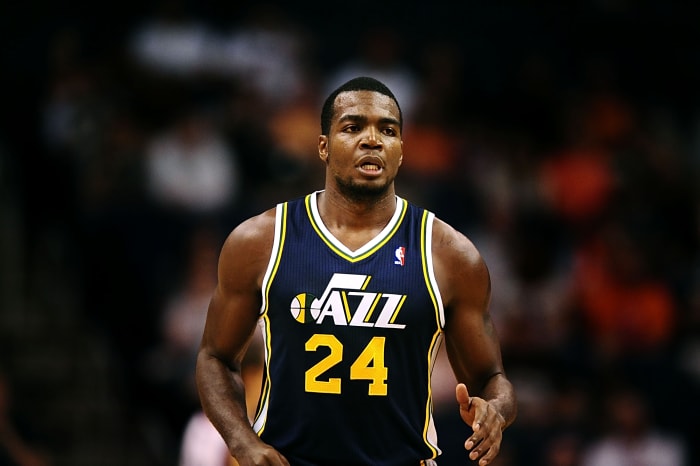
Paul Millsap

Paul Millsap
Mark J. Rebilas/Imagn

While Millsap quickly exceeded the expectations of a second-round pick, he had a just-OK first couple of seasons. He improved from there, becoming a core part of the Jazz. It took getting traded to Atlanta for his eighth season, though, to get his first All-Star recognition, at which point he was one of the NBA's best two-way forwards.

 
7 of 20

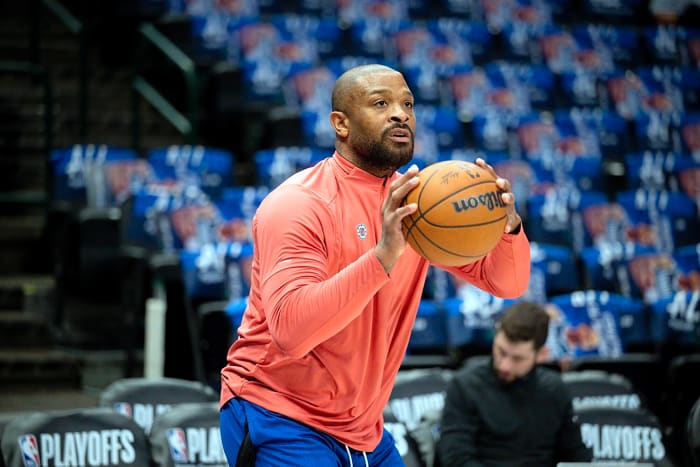
P.J. Tucker

P.J. Tucker
Jerome Miron/Imagn

After his rookie season, Tucker found himself out of the NBA, at which point he spent the next handful of years playing overseas. In his late 20s, though, he made it back to the league. This time, he was one of the league's best defenders and also a respected three-point shooter.

 
8 of 20

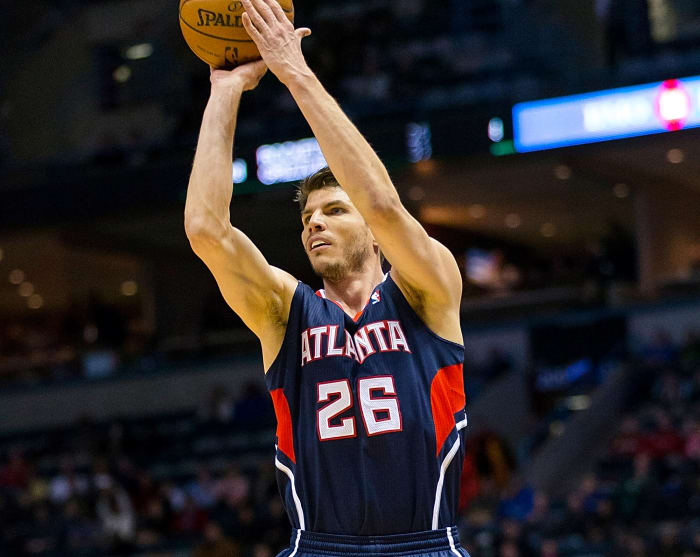
Kyle Korver

Kyle Korver
Jeff Hanisch/Imagn

Korver had early success in Philadelphia, averaging over 14 points per night by his fourth season in the league. After that, though, his production dropped as he bounced between teams. Eventually, he landed in Atlanta, where he became one of the league's most efficient volume shooters and made his first and only All-Star team at 33.

 
9 of 20

Raja Bell

Raja Bell
Soobum Im/Imagn

Undrafted, Bell entered the league at 24, relatively old for a rookie. In his first three years, he was a quiet contributor for the 76ers and Mavericks. His career really took off, though, during stints in Utah and Phoenix, where he made a couple of All-Defense teams and was a standout long-range shooter.

 
10 of 20

Bruce Bowen

Bruce Bowen
G Fiume/Getty

Bowen started his pro career overseas before making it to the NBA in his mid-20s. Even then, it still took a while for him to become a big-time contributor, doing so with Miami but more so with San Antonio. From 2001 to 2008, he made eight straight All-Defense teams, including five first-team nods.

 
11 of 20

Jermaine O'Neal

Jermaine O'Neal
Mark J. Rebilas/Imagn

O'Neal entered the league right out of high school and was a mid-first-round pick, but for four years, he didn't see any meaningful playing time. When Indiana acquired him from the Blazers, though, they gave him a bigger role, in which he thrived, earning his first of six straight All-Star selections at 23, which was still young but already six seasons into his career.

 
12 of 20

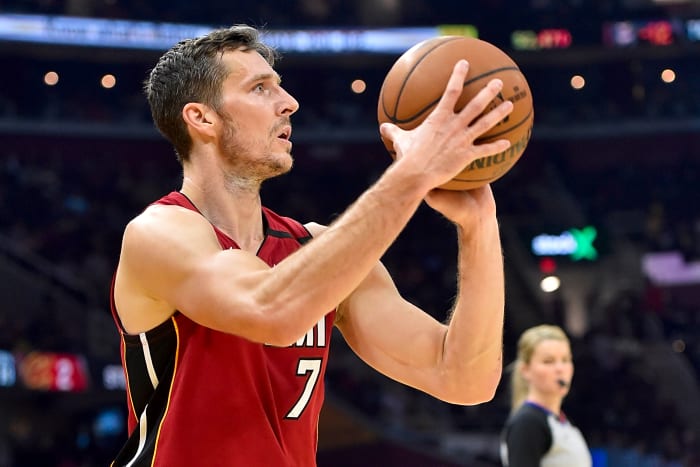
Goran Dragić

Goran Dragić
David Richard/Imagn

After serving as a role player in Phoenix and Houston, Dragic returned to Phoenix, where he was given more focus his second time around. In 2014, he made a leap, being named the league's Most Improved Player and to the third All-NBA team. Despite that, it took him a few more years, until 2018, to earn his first All-Star selection.

 
13 of 20

Trevor Ariza

Trevor Ariza
Gary A. Vasquez/Imagn

For his first few years in the league, Ariza was an athletic defender, but his offensive contributions were minimal. After a breakout postseason with the 2009 championship Lakers, Ariza developed a reliable three-point shot and became one of the best 3-and-D guys of his era. This allowed him to enjoy a prosperous 18-season NBA career.

 
14 of 20

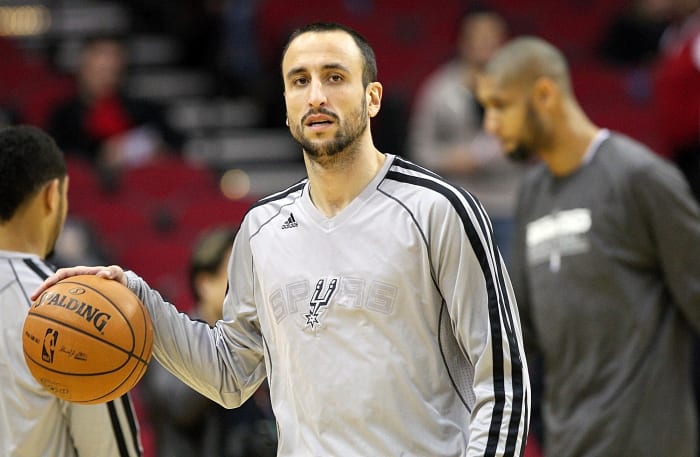
Manu Ginóbili

Manu Ginóbili
Troy Taormina/Imagn

Ginóbili was a late-second-round pick in the 1999 draft, but he only made his way into the league in 2003, when he was 25. He earned some decent minutes in his rookie season, but in the years that followed, he became a part of the Spurs' core. Despite only earning a couple of All-Star selections, Manu was one of his era's defining players who regularly came through when it counted.

 
15 of 20

Luis Scola

Luis Scola
Jennifer Stewart/Imagn

Similar to Ginóbili, the Spurs selected Scola with a late-second-round pick, but he took a while to come over to the US. Once he did, at age 27, he joined the Rockets and made an immediate impact. His statistical peak came in his age-30 season, when he averaged 18 points and 8 rebounds for Houston.

 
16 of 20

Pablo Prigioni

Pablo Prigioni
Kim Klement/Imagn

Most NBA players aren't still playing when they're 35, but that's the age at which Prigioni entered the league as the oldest rookie in NBA history. After a long international career, Prigioni had the experience to contribute right away and did just that over four seasons with the Knicks, Rockets, and Clippers. That included meaningful minutes for some playoff teams, helping give the Argentine-Italian one of the most unusual careers in modern NBA history.

 
17 of 20

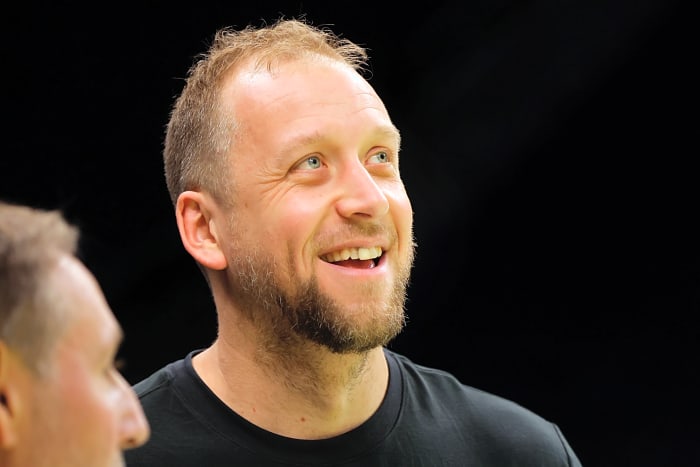
Joe Ingles

Joe Ingles
Bruce Kluckhohn/Imagn

Ingles was an old rookie, entering the NBA at 27 after a lengthy international career. He came ready to play, though, and quickly became a key part of the Jazz rotation. While not known for his athleticism, his skill, IQ, and shooting have made him a valuable player for over ten seasons, despite his late start.

 
18 of 20

Jae Crowder

Jae Crowder
Geoff Burke/Imagn

For the bulk of his first three seasons, Crowder was a depth piece for the Mavericks. In his fourth year in the league and first full season in Boston, he moved into the starting lineup and made a significant leap as a shooter and defender. He bounced around the league from there, providing impact on both ends of the floor for teams making deep postseason runs.

 
19 of 20

Payton Pritchard

Payton Pritchard
Paul Rutherford/Imagn

After a four-year college career, Pritchard didn't get much playing time in his first three years in Boston, with his playing time and stats decreasing each season. He finally cracked the rotation in his fourth season and even hit some big shots in the playoffs that helped the Celtics win a title. By year five, he was an essential part of the team, averaging double-digit scoring for the first time and winning the Sixth Man Of The Year award.

 
20 of 20

Derek Fisher

Derek Fisher
Kyle Terada/Imagn

Fisher's stats were relatively even throughout his career. Perhaps the peak of his impact, though, came in his 30s, when the Lakers won back-to-back titles in 2009 and 2010. He remained a complementary piece, but he also routinely came through with major moments.

More must-reads:

Customize Your Newsletter

Yardbarker +

Get the latest news and rumors, customized to your favorite sports and teams. Emailed daily. Always free!