
-


Follow Us

 On Facebook
 On Flipboard
 On Twitter
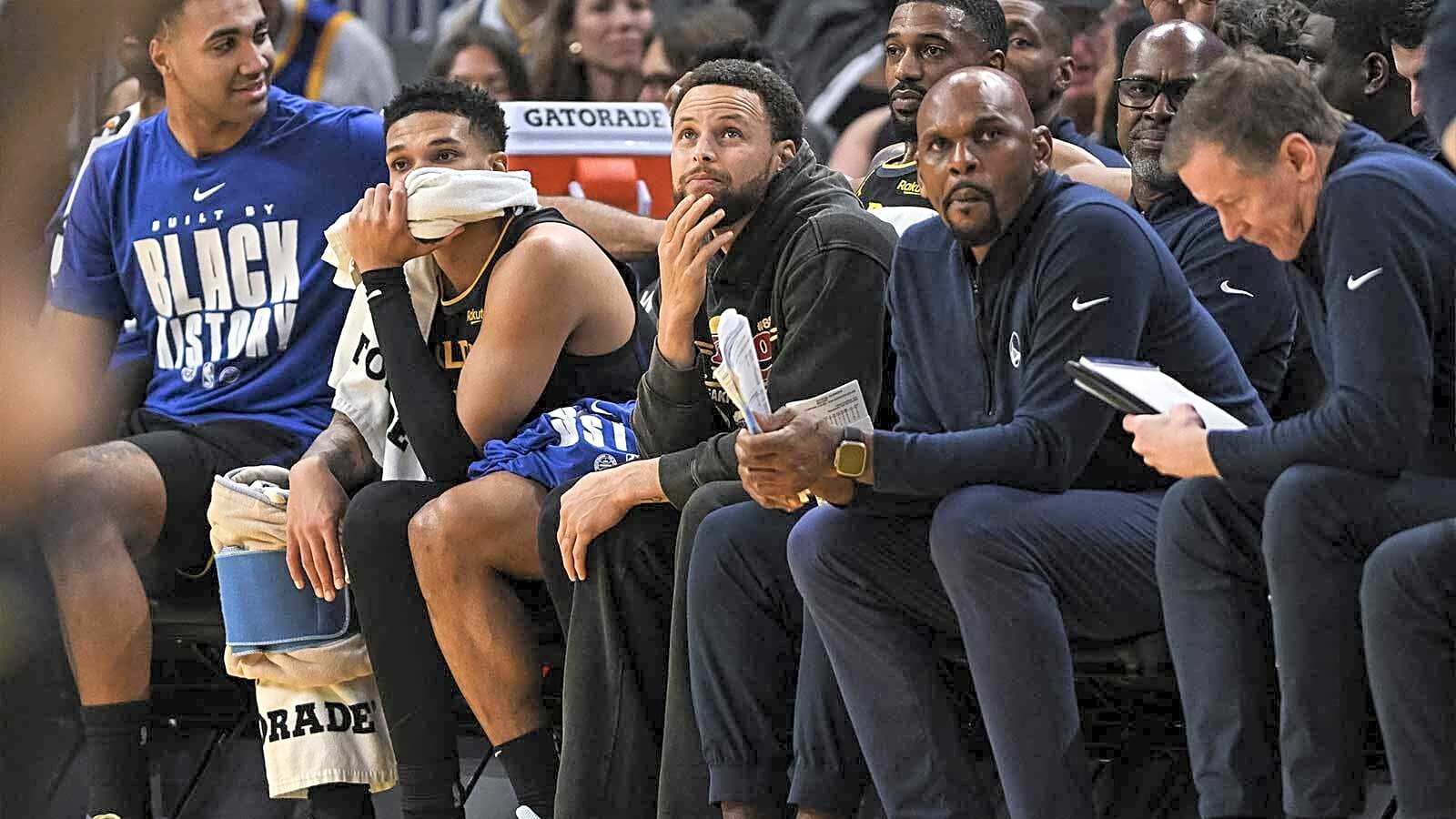
The Golden State Warriors were at the edge of two timelines. Of course, they have never been afraid of bold swings. From assembling a dynasty around Stephen Curry to reshaping their roster on the fly, the franchise has long operated with championship urgency. The 2026 NBA trade deadline, though, may have marked a rare misstep. Their underlying ambition may have just collided with timing, health, and asset valuation. In chasing immediate reinforcements, Golden State seems to have compromised both its present stability and its long-term bridge to the post-Curry era.
Volatility meets urgency
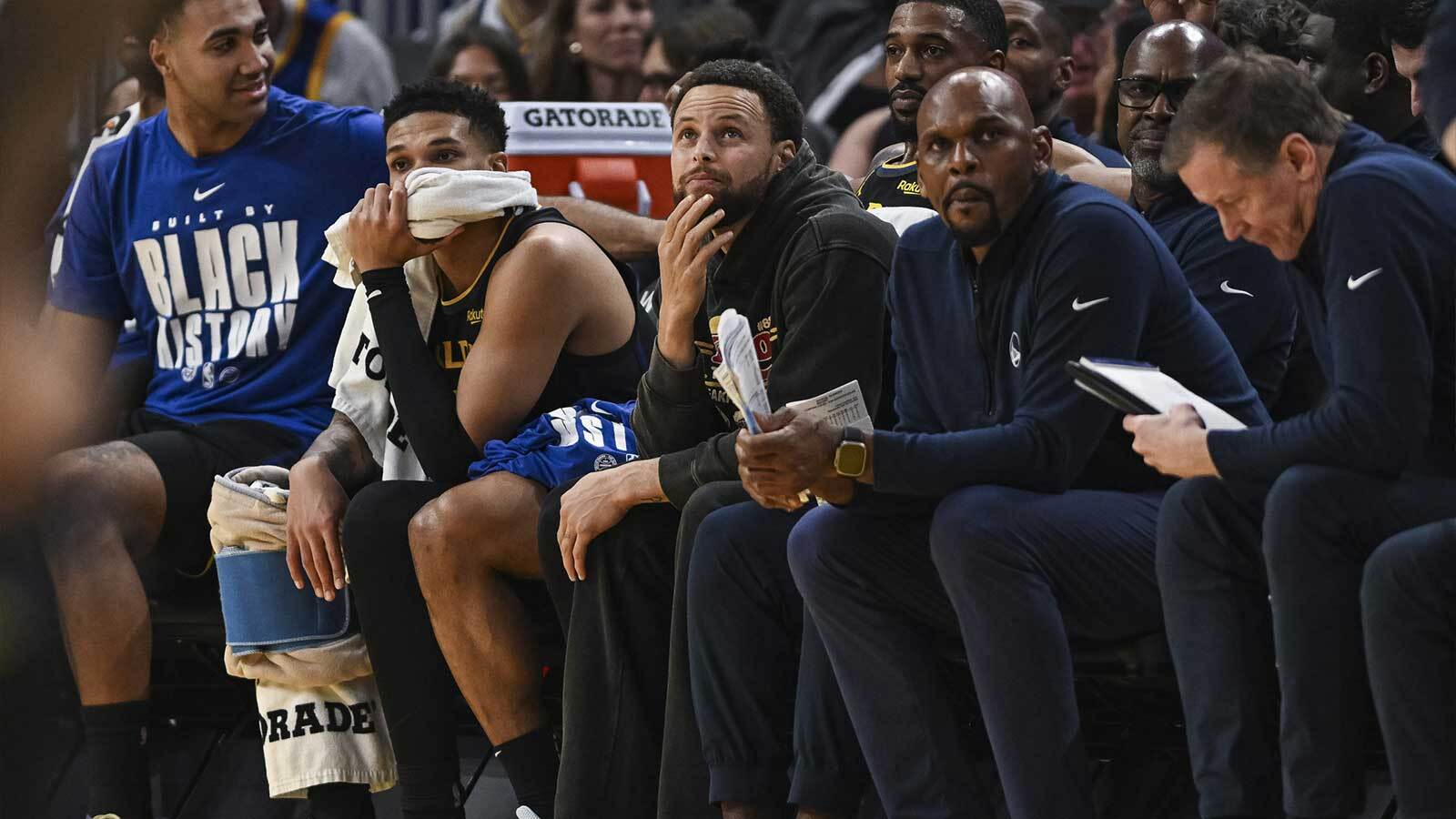
The Warriors enter the final stretch of the 2025-26 season with a 28-24 record. They currently sit 8th in a cutthroat Western Conference. Their campaign has been a rollercoaster. Early returns were promising. Veteran Jimmy Butler averaged 20 points per game while injecting toughness, perimeter defense, and playoff pedigree into the lineup.
That optimism came crashing down on January 19 when Butler suffered a season-ending ACL tear. The injury not only removed Golden State’s secondary star. It also forced the team into survival mode. Combined with Curry’s ongoing battle with right knee soreness, the Warriors suddenly found themselves fighting to stay afloat in the Play-In race rather than jockeying for home-court advantage.
The roster strain has been visible. Draymond Green has shouldered increased defensive responsibilities. Meanwhile, Brandin Podziemski and Moses Moody have been thrust into heavier rotational minutes. Golden State’s margin for error shrank overnight.
Deadline gamble changes everything
To stabilize the roster, the front office made a polarizing splash at the 2026 trade deadline. They finally shipped out Jonathan Kuminga and veteran shooter Buddy Hield to the Atlanta Hawks for Kristaps Porzingis. In a secondary move, Trayce Jackson-Davis was rerouted to Toronto for a second-round pick. That further reshaped the frontcourt pipeline.
On paper, Porzingis checks every schematic box. He is, after all, a rim-protecting, floor-spacing seven-footer. The Latvian big man addresses Golden State’s long-standing need for interior size without compromising offensive spacing.
That said, the trade also signaled the definitive end of the “two timelines” experiment. Developmental patience was sacrificed for immediate contention. The Warriors are now fully committed to maximizing what remains of Curry’s championship window.
Chasing unicorns in a sinking season
Golden State entered the deadline battered, reeling from Butler’s injury, and uncertain about Curry’s durability. Rather than recalibrate cautiously, GM Mike Dunleavy Jr swung for a home run.
The decision reflects organizational DNA. The Warriors don’t rebuild. They reload. Yet context matters. With Butler sidelined and the team fighting merely to secure postseason entry, the urgency to sacrifice youth for win-now upgrades felt disproportionate to their actual competitive position.
Adios, second timeline
Trading Kuminga represents the emotional and strategic epicenter of this deadline mistake. The 23-year-old was the last true bridge between Golden State’s present and future. He is hyper-athletic, defensively versatile, and still ascending. With that, Kuminga embodied the franchise’s developmental gamble following its dynasty peak. Yes, his tenure carried friction, culminating in a January trade request after rotational inconsistencies. Still, his ceiling remained undeniable.
Moving Kuminga at the moment his value was most volatile — rather than most maximized — feels like asset depreciation. He was billed to be Curry’s eventual successor or the centerpiece of a future trade for a younger superstar. Instead, he was flipped for an older, injury-risk big.
High-risk, low-certainty
From a pure basketball standpoint on paper, Porzingis fits beautifully. He protects the rim, stretches the floor, and thrives in read-and-react offenses like Steve Kerr’s motion system. Playing the Warriors on a video game console now would be a dream. Reality and availability, of course, matter more than ability.
Porzingis arrived amid Achilles recovery concerns that had already sidelined him. Trading a healthy, if disgruntled, wing and a durable shooter in Hield for a center whose postseason availability isn’t guaranteed introduces massive volatility. Golden State essentially exchanged lineup certainty for theoretical upside.
If Porzingis returns at full strength, the gamble looks visionary. If his health falters near Play-In or playoff time, the trade will look reckless. The likelihood lies in the latter scenario.
The opportunity cost
Perhaps the most damaging element of the deadline wasn’t the Porzingis acquisition itself. Rather, it was the timeline leading up to it.
League insiders widely reported that Golden State spent weeks positioning itself for a Giannis Antetokounmpo blockbuster. Draft capital was hoarded. Young assets were preserved. Trade flexibility was maintained. When Milwaukee never fully engaged, though, the Warriors were left pivoting late in the market cycle.
By then, alternative targets had already moved:
- Ivica Zubac landed in Indiana
- Jaren Jackson Jr was dealt to Utah
- Multiple defensive anchors changed hands
Do not mistake Porzingis for the primary plan because he’s not. He became the fallback prize. The deal felt less like strategic design and more like reactive improvisation after the superstar chase collapsed.
Roster imbalance remains
Ironically, even after acquiring Porzingis, Golden State’s roster questions persist. They gained rim protection but lost wing athleticism. They added frontcourt scoring but sacrificed perimeter shot creation depth. Kuminga’s transition explosiveness is also now absent. The Warriors basically solved one structural issue while creating two new ones.
This deadline underscores the tension between Golden State’s dual mandates:
- Maximize Curry’s remaining prime
- Preserve post-dynasty sustainability
By prioritizing the former so aggressively, the franchise may have compromised the latter beyond repair. If Porzingis helps deliver a Finals run, the cost becomes irrelevant. On the other hand, if the Warriors flame out early or miss the playoffs entirely, the long-term ramifications will sting.
They will have lost their most valuable young trade chip for a short-term gamble that never fully materialized.
Final word

The Warriors didn’t make a timid mistake but a bold one. Trading Jonathan Kuminga, Buddy Hield, and developmental depth for an injury-risk star big represents a franchise choosing urgency over patience. It’s a move rooted in championship DNA but clouded by timing, health uncertainty, and market misreads.
Golden State chased a unicorn while the season smoldered beneath it. Now, if this gamble fails, the cost won’t just be a lost season but the bridge to their entire future.
More must-reads:
- Lakers avoid worst-case scenario with Luka Doncic injury
- The NBA’s biggest head-scratchers from 2026 trade deadline
- The 'NFL active TD-pass leaders' quiz
Breaking News
Trending News



Customize Your Newsletter
 +
+




Get the latest news and rumors, customized to your favorite sports and teams. Emailed daily. Always free!
PRIVACY POLICY EDITORIAL POLICY CONTACT US
ABOUT YARDBARKER TERMS OF SERVICE


Use of this website (including any and all parts and
components) constitutes your acceptance of these
Terms of Service and Privacy Policy.
This site is for entertainment purposes only.
There is no gambling offered on this site.
Gambling Problem? Call 1-800-Gambler.
