
-

-


Follow Us
-

 On Facebook
 On Flipboard

The Denver Broncos are confident in their top two running backs. However, once you get past J.K. Dobbins and RJ Harvey, Denver's running back depth leaves much to be desired.
Jaleel McLaughlin is a great story and he's earned a role with the Broncos moving forward, but the Broncos need a better No. 3 option in the event of a Dobbins injury. Ideally, McLaughlin is the No. 4 guy, while Tyler Badie is on the practice squad.
Since George Paton has been the Broncos' general manager, he's drafted two running backs in the second round, including last year (Harvey at No. 60). It just so happens that this year, Denver's second-rounder is the team's first selection in the entire draft (No. 62 overall).
The Broncos hold seven total picks in this draft, without a first or third-rounder. We've covered this subject before, way earlier in the draft process, so today, I'm going to highlight one ideal running back option for Denver in each round that factors in each prospect's draft stock just days before the event kicks off.
We're limiting the running backs to the specific round in which the Broncos hold picks, currently. The 2026 NFL draft kicks off next Thursday, April 23, at 6 pm MDT.
Price is a threat to take it to the house from anywhere on the field. After playing second fiddle to Jeremiyah Love at Notre Dame, Price still has plenty of tread left on his rushing tires.
One specifc area Price will need to improve is his ball security. He fumbled at an unacceptable rate in college, and that's something the Broncos would need to tackle immediately if he were drafted.
If the Broncos drafted Price in the second round, he would immediately step in as the No. 3 running back in the rotation behind Dobbins and Harvey. Price would give the Broncos some insurance in the event of the injury bug striking Dobbins again, especially as a first and second-down runner.
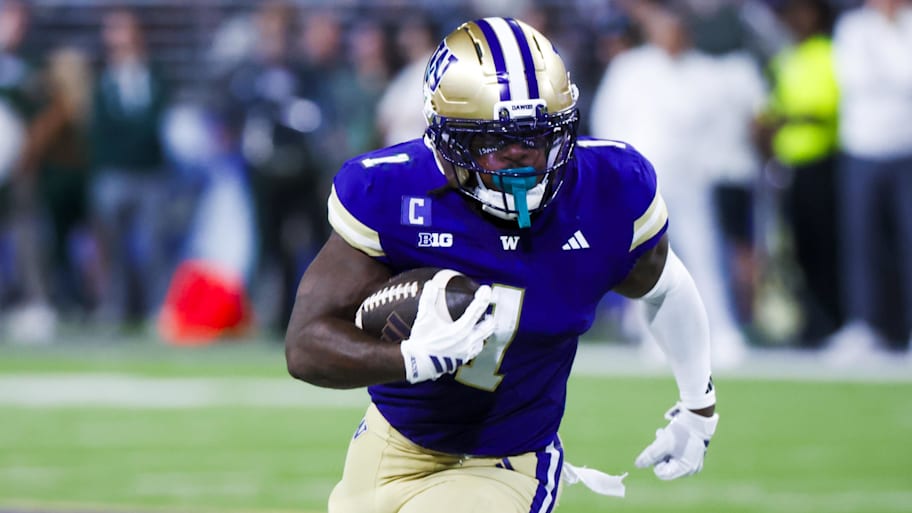
Coleman would be a steal at pick 108 in Round 4. I have my doubts that he'll still be on the board at this point in the actual draft, but his draft stock still has him as a late-third, early-fourth-round guy.
Down-to-down consistency as a runner? Check. Pass protection chops? Check. Team guy/culture fit? Check.
Coleman would be an awesome get for the Broncos, giving them Dobbins insurance and a bona fide long-term developmental option.
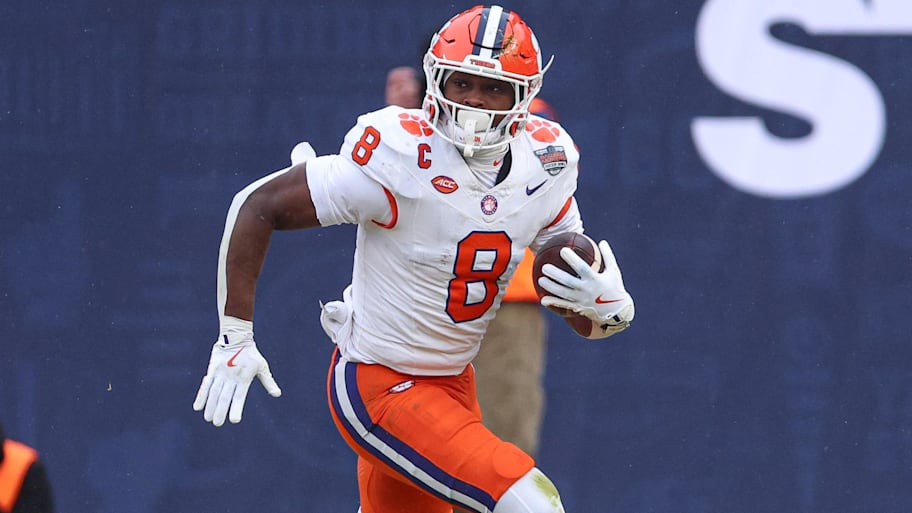
Randall is a former wideout who transitioned to running back, and it shows. He's still very much learning the position, but he's got some upside to him.
Although his hands are a big reason why he was moved to running back, Randall's understanding of route concepts and the passing game could give him a leg up in the NFL. He runs really high, though, and will need to be coached to understand pad level to prevent him from getting pulverized at the next level.
As a fifth or sixth-round option, Randall has developmental upside.
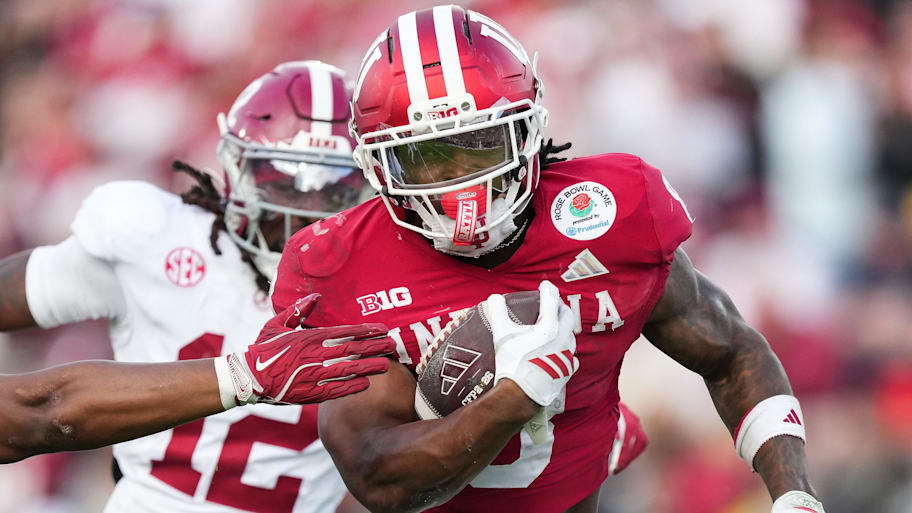
Black wasn't invited to the NFL Combine, but he's got some real draft stock, even if it is as a late-round option. He averaged 5.6 yards per carry last year at Indiana, rushing for north of 1,000 yards and 10 touchdowns as he helped lead them to a National Championship.
As a first and second-down grinder, Black could immediately contribute in Denver, taking one or two series per game from Dobbins to keep the veteran safe, which would also help preserve Harvey's role as that third-down "Joker" weapon in the offense.
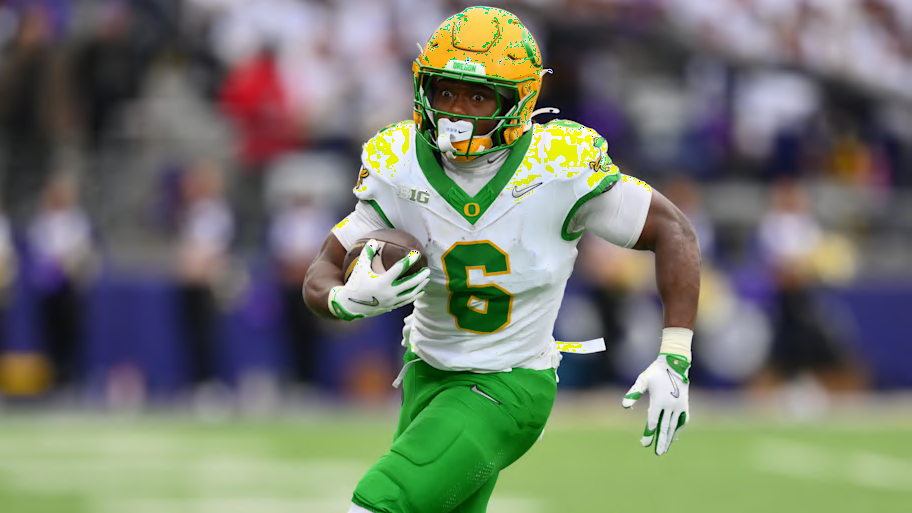
Whittington would make for one heck of a seventh-round flyer. He played with Bo Nix for two years at Oregon, and in terms of size, he's built like Harvey, though he carries his weight a bit differently.
Whittington doesn't have the prolific stats like many of his fellow running backs in this class, but that was based largely on how Oregon used him. The most important college stat to know about him is the 5.6 yards-per-carry average he posted for his career.
Whittington is an efficient runner who could be groomed to offer much more to the Broncos' offense.
More must-reads:
- Patriots end Christian Gonzalez saga ahead of Super Bowl rematch
- Titans LB Cedric Gray suffers concussion in UTV accident days before Week 1
- The '2026 NFL Week 1 starting QBs' quiz
Breaking News
Trending News



Customize Your Newsletter
 +
+




Get the latest news and rumors, customized to your favorite sports and teams. Emailed daily. Always free!
PRIVACY POLICY COOKIE POLICY CONTACT US
ABOUT YARDBARKER TERMS OF SERVICE


By using this site, you agree to our Terms of Service and Privacy Policy.
This site is for entertainment purposes only.
There is no gambling offered on this site.
Gambling Problem? Call 1-800-Gambler.
