
-


Follow Us

 On Facebook
 On Flipboard
 On Twitter

For weeks, we have seen the Washington Commanders get into the red zone, converting roughly 60% of their appearances into touchdowns. This wasn’t bad luck, not a fluke, but a team that wants to win and knows what its identity is, but this quickly changed.
When the Commanders faced the Dallas Cowboys on Christmas Day, that identity quickly changed.
Washington finished the game 1-for-3 in the red zone, which translates to thirty-three percent. The offense didn’t fail because it lacked creativity; they chose the wrong type of creativity at the worst possible time.
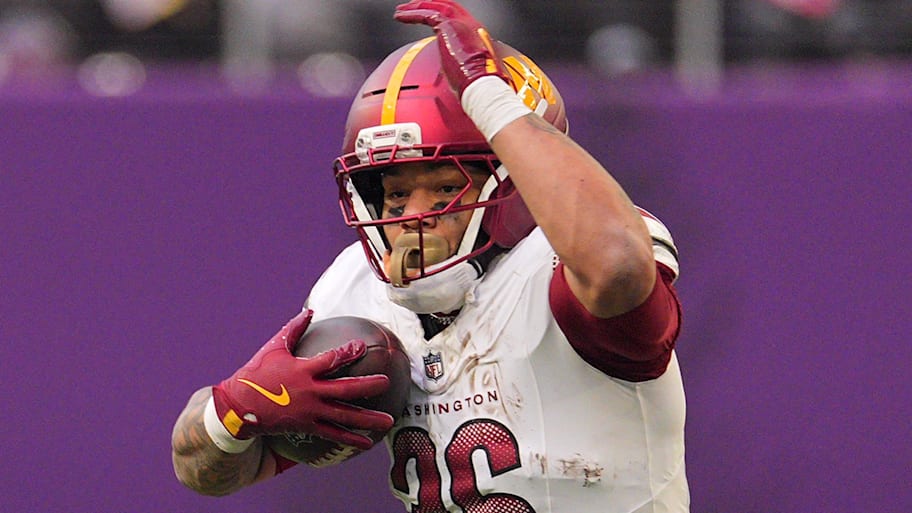
Quinn laments lack of 'hyper focus'
Quinn hasn’t been one to sugarcoat the team's wins or failures. Those moments matter, and situational football matters. And when they’re close to the endzone like that, the purpose isn’t to impress anyone, but to get points.
According to Quinn, those are the “hyper focus” moments. Everyone should feel the urgency shift; the Commanders played those snaps like another part of the game.
"Sometimes just when the moments of the game change... we're down inside the two-or-three-yard line, we need points with that,” Quinn said.
“ So those moments, yes, not being able to nail them and recognize this is that play, this is that moment that calls for the hyper focus to not nail those in all three phases. That's been challenging for sure."
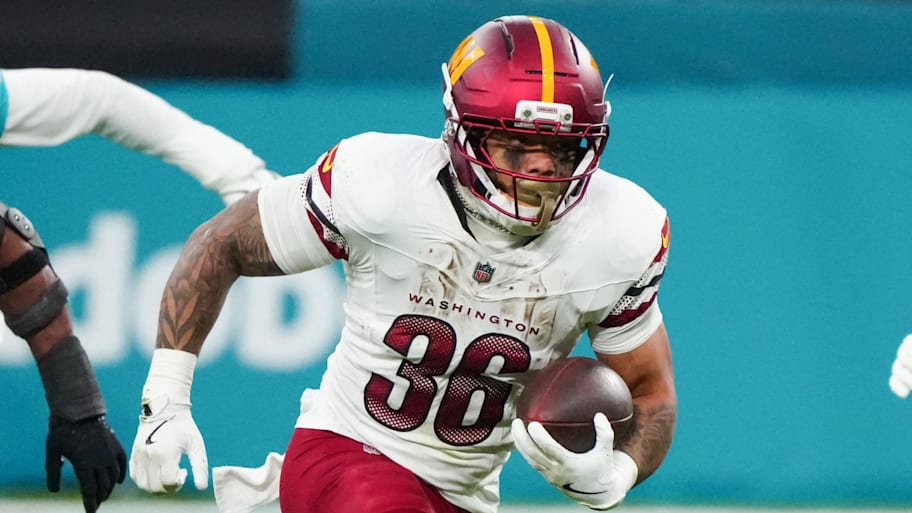
Overthinking the absence of Rodriguez
Where things went sideways was the many injuries the team encountered, especially without their usual hammer, running back Chris Rodriguez Jr.
Without their usual veteran in the backfield, Washington tried to outthink the Cowboys rather than adjust.
Too much motion. Too much misdirection. Tight ends flying across the formation, trying to create space behind movement rather than attacking defenders head-on.
There was little true lead blocking. Almost no ISO-style runs. And when you’re that close to the goal line, defenders aren’t fooled by window dressing.
At some point, it felt like the message was: we’re not going to out-physical you, so we’ll try to outsmart you. That’s not how red zone football works. Not against a disciplined defense. And not when space is already limited.
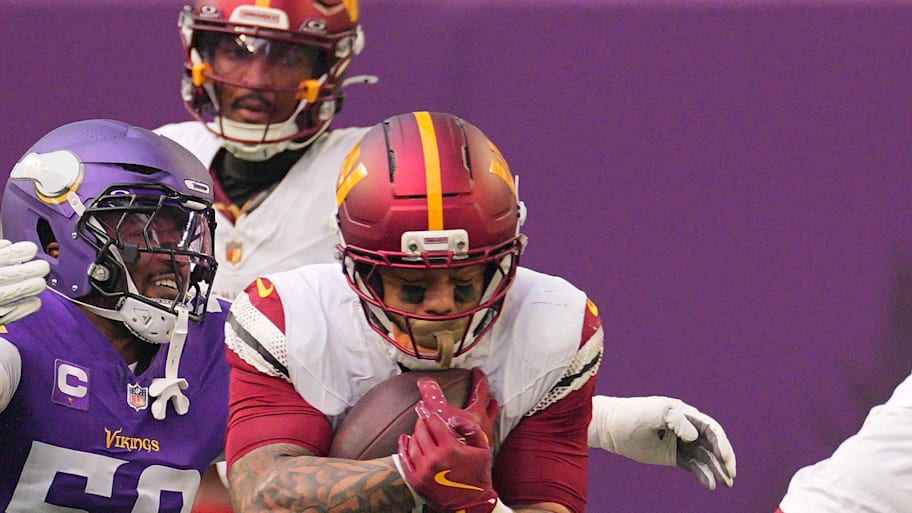
The Answer Was Already on the Field
What makes this more frustrating is that Washington had the personnel to do it differently.
John Bates and Ben Sinnott are capable of being more than motion pieces. They can be real lead blockers. Actual tone-setters. The kind of players who clear lanes instead of suggesting them.
Look around the league with teams like the San Francisco 49ers, who don’t get cute in short yardage, but are somewhat intentional. They put a body in front of the runner and dare the defense to stop it. On the other hand, Washington didn’t do that.
The fall from 60 percent to 33 percent wasn’t random. It’s in the biggest moments that Washington has drifted away from what had been working to situations that didn’t match. The red zone is about deciding how you want to win and actually committing to it.
If there’s a takeaway here, it’s simple: Don’t abandon physical football just because your favorite piece is missing, adjust and don’t overthink yourself out of points.
More must-reads:
- Former NFL GM sends Aaron Rodgers warning to Steelers amid reports
- Dolphins releasing two-time Pro Bowl pass-rusher
- The 'Super Bowl winning coaches' quiz
Breaking News
Trending News


Customize Your Newsletter
 +
+




Get the latest news and rumors, customized to your favorite sports and teams. Emailed daily. Always free!
PRIVACY POLICY COOKIE POLICY CONTACT US
ABOUT YARDBARKER TERMS OF SERVICE


By using this site, you agree to our Terms of Service and Privacy Policy.
This site is for entertainment purposes only.
There is no gambling offered on this site.
Gambling Problem? Call 1-800-Gambler.
