
-

-


Follow Us
-

 On Facebook
 On Flipboard
Executing the Vision for the Future
The 2026 Miami Dolphins entered the NFL Draft with something that has often felt elusive in recent years: clarity. This was not a weekend driven by impulse or short-term fixes, but by a defined vision that shaped every decision. For a franchise that has struggled to sustain real contention, this class signaled a more disciplined approach.
From the beginning, Miami made it clear this draft would reinforce identity, not chase headlines. While the offense has been built on speed in recent seasons, the 2026 focus shifted toward balance, pairing explosiveness with durability and physicality.
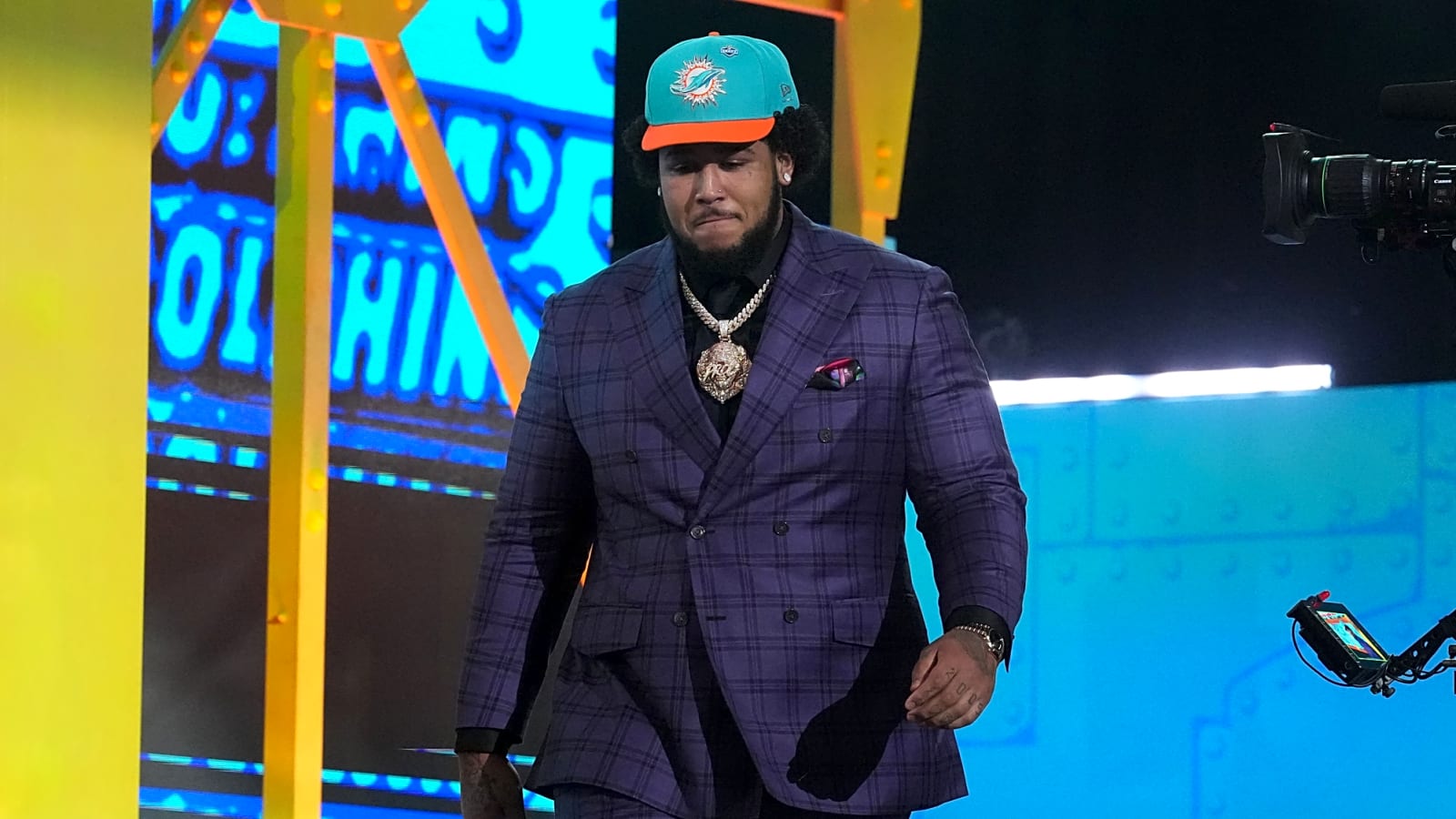
That approach showed immediately in Round 1. With the 12th overall pick, the Dolphins selected Kadyn Proctor, a powerful, tone-setting offensive tackle. His addition speaks to a renewed commitment to controlling the line of scrimmage and protecting the quarterback. Later, at pick 27, Miami added cornerback Chris Johnson, a long, physical defender who thrives in press coverage. Together, those picks defined the class: tough, disciplined players who fit a clear system.
Miami carried that same mindset into Day 2. Linebacker Jacob Rodriguez brings instincts, range, and consistency, giving the defense a reliable presence in the middle. At receiver, Caleb Douglas adds size and catch radius, while tight end Will Kacmarek reinforces the team’s push for a more physical run game. The addition of Chris Bell adds vertical speed, even as he returns from an ACL injury, reflecting a willingness to bet on upside.
Day 3 continued that vision, but with a notable twist, an opportunity. Miami targeted players who can push for meaningful roles right away. Linebacker Trey Moore brings energy and physicality, while Kyle Louis is expected to transition into a hybrid linebacker role. Safety Michael Taaffe adds instincts and awareness that could translate quickly to game action.
On offense, Kevin Coleman Jr. offers quickness and separation from the slot, and Seydou Traore provides intriguing upside as a developmental piece with unique traits. Up front, DJ Campbell has the tools to compete early, while edge rusher Max Llewellyn brings effort and pass-rush potential.
Rather than viewing late-round selections as long-term projects, the Dolphins approached them as immediate competitors. Several of these players will have real chances to earn snaps and potentially starting roles as the season unfolds.
Miami also remained active after the draft, signing undrafted free agents to further increase competition. That continued emphasis on internal battles reinforces the team’s broader philosophy: Roles will be earned, not given.
What stands out most about this class is its cohesion. Every pick, from Kadyn Proctor to the final selections, aligns with a clear blueprint built on toughness, versatility, and balance.
If this group develops as expected, the 2026 draft could mark a turning point for the Miami Dolphins, a moment when vision and execution finally came together and when building a complete team took priority over simply collecting talent.
More must-reads:
- Diego Pavia accepts invite to Ravens' minicamp after becoming first Heisman finalist to go undrafted since 2014
- Five best fits from the 2026 NFL Draft
- The 'No.2-overall NFL Draft picks' quiz
Breaking News
Trending News




Customize Your Newsletter
 +
+




Get the latest news and rumors, customized to your favorite sports and teams. Emailed daily. Always free!
PRIVACY POLICY COOKIE POLICY CONTACT US
ABOUT YARDBARKER TERMS OF SERVICE


By using this site, you agree to our Terms of Service and Privacy Policy.
This site is for entertainment purposes only.
There is no gambling offered on this site.
Gambling Problem? Call 1-800-Gambler.
